




Sidival Fila
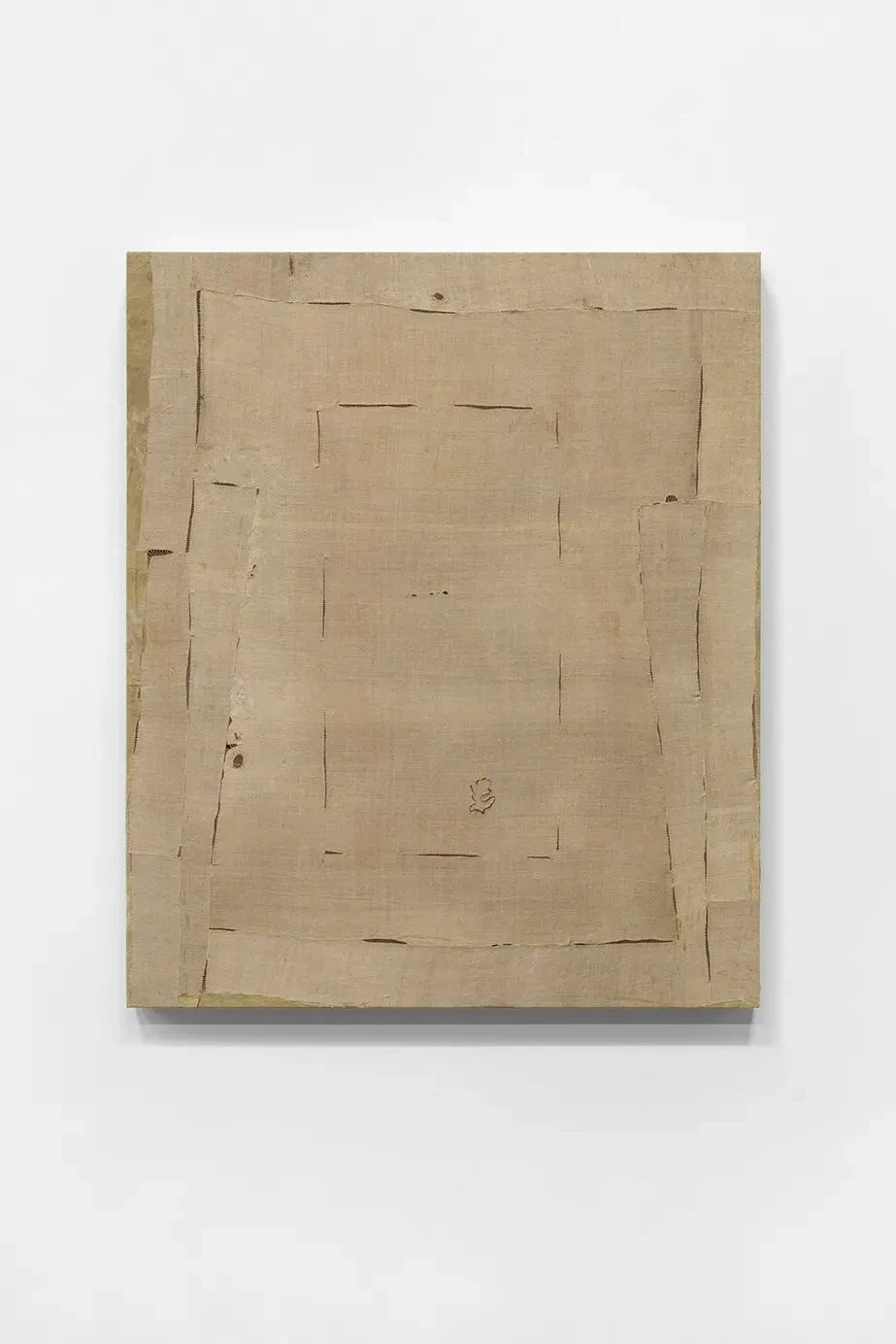
Senza Titolo, 2022
Artwork
Sidival Fila
Senza Titolo, 2022
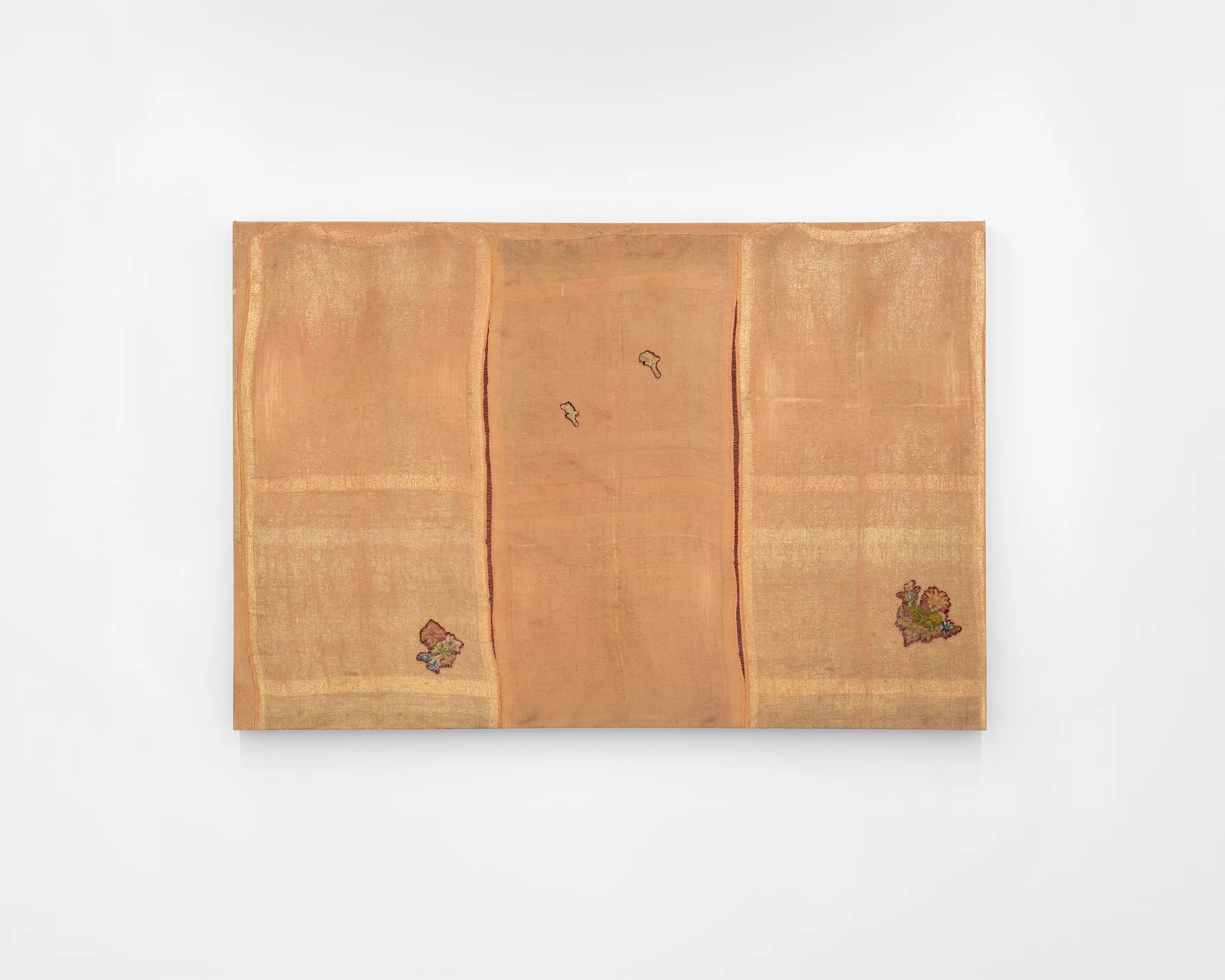
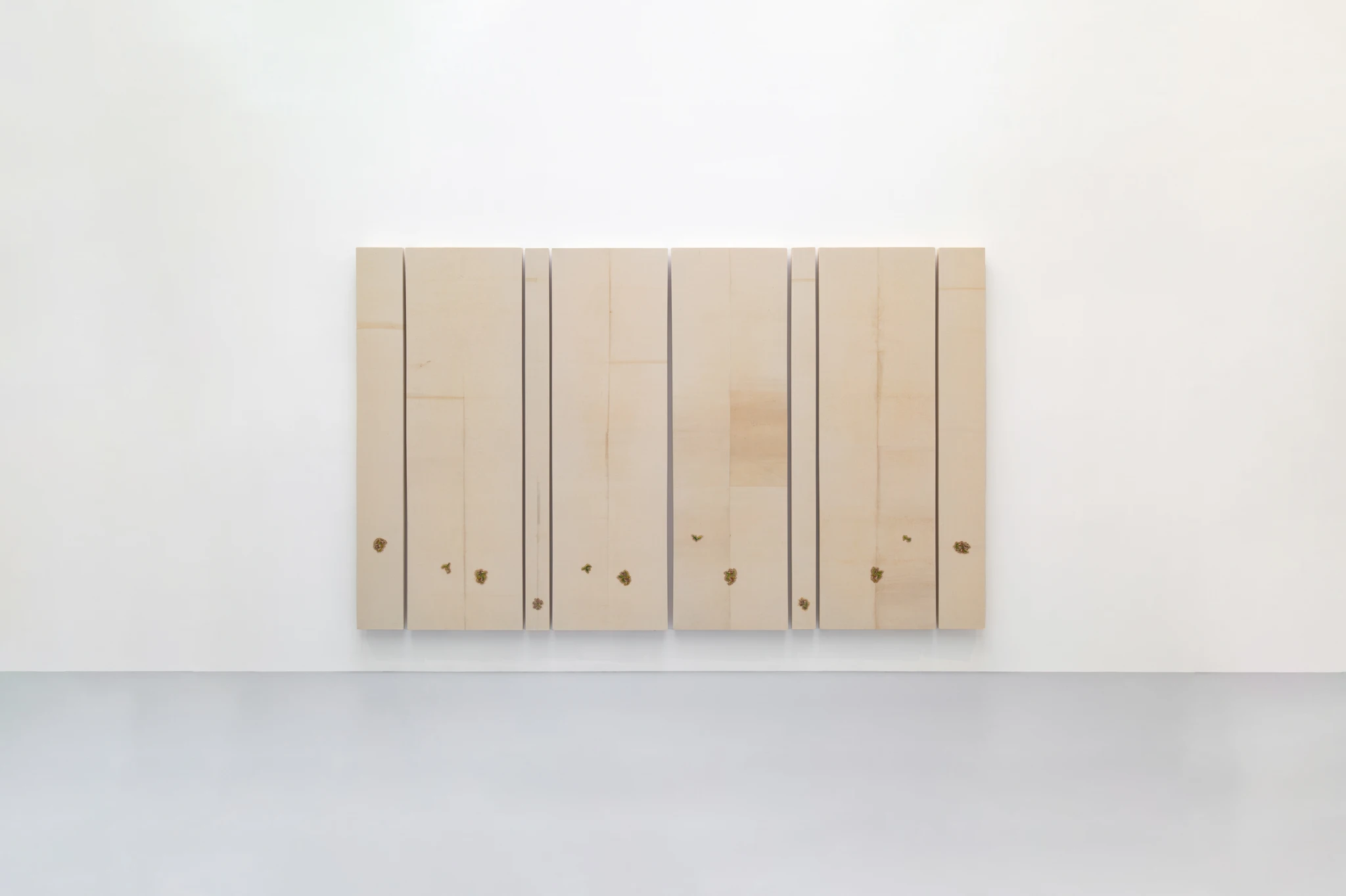
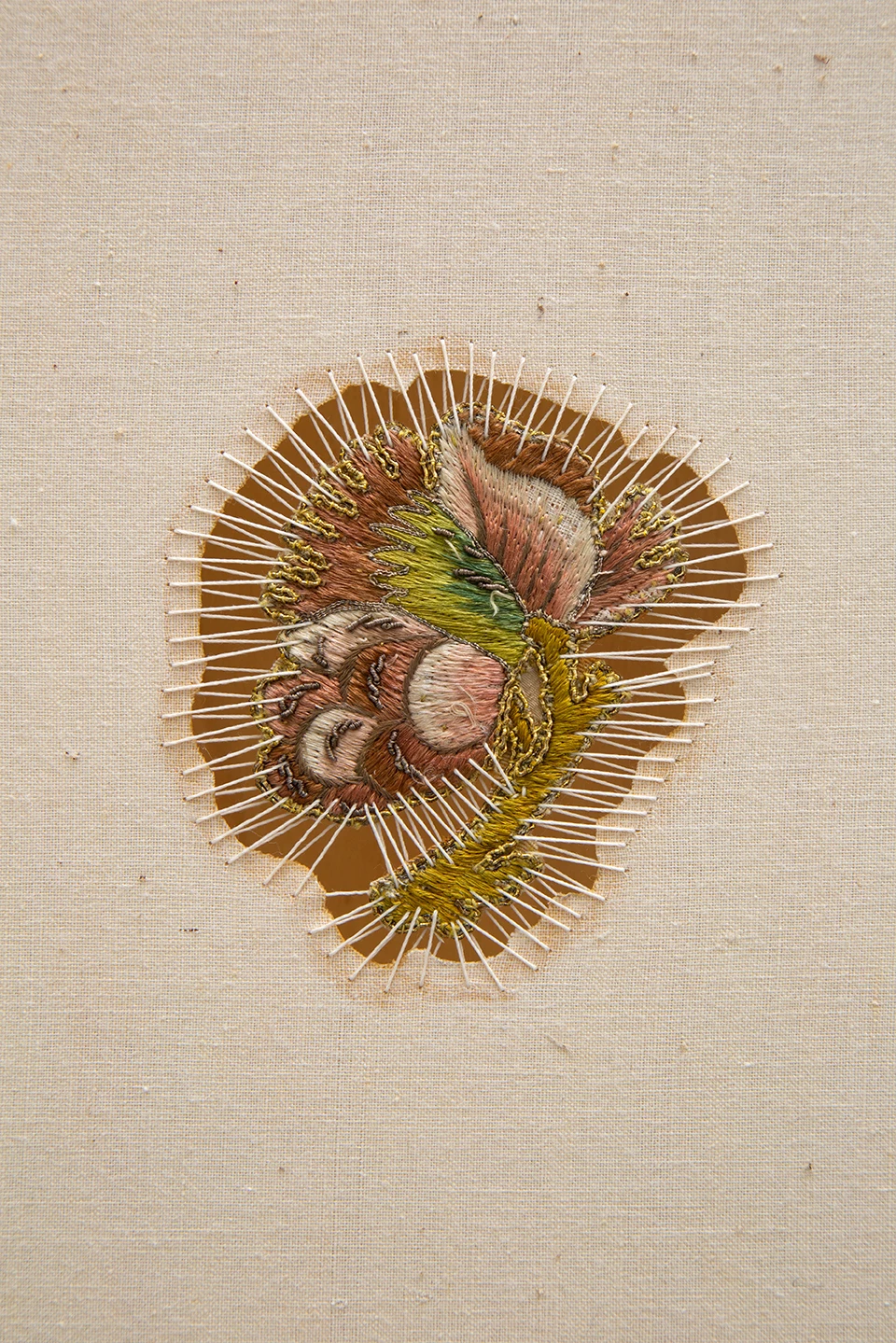
Doublure en lin du XIXe siècle découpée et collée, silhouette de fleur cousue, sur châssis / 19th-century linen lining, cut and glued, sewn flower silhouette, on stretcher
130,5 x 110,5 cm (51 3/8 x 43 1/2 in.)
Price on request
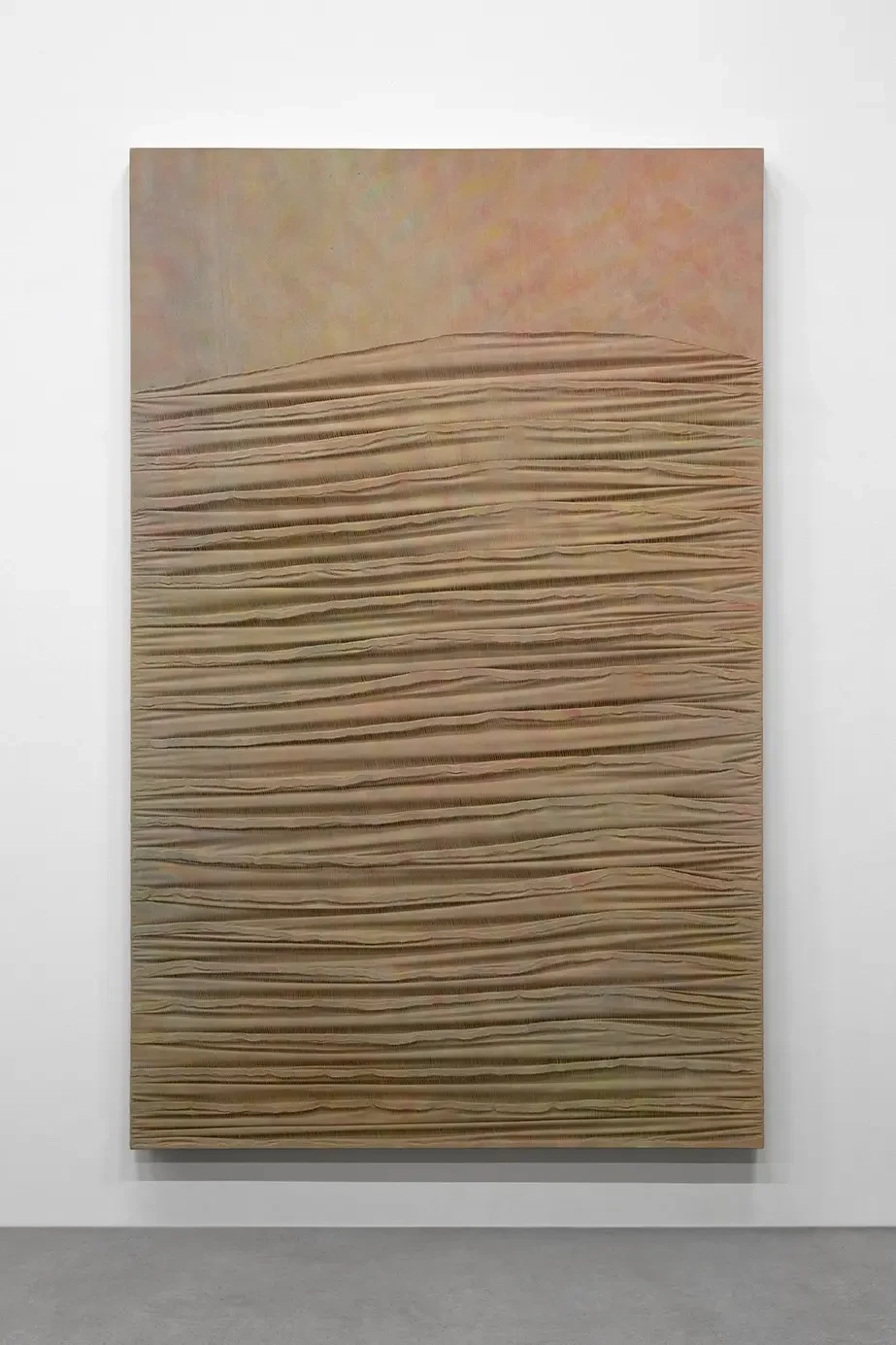
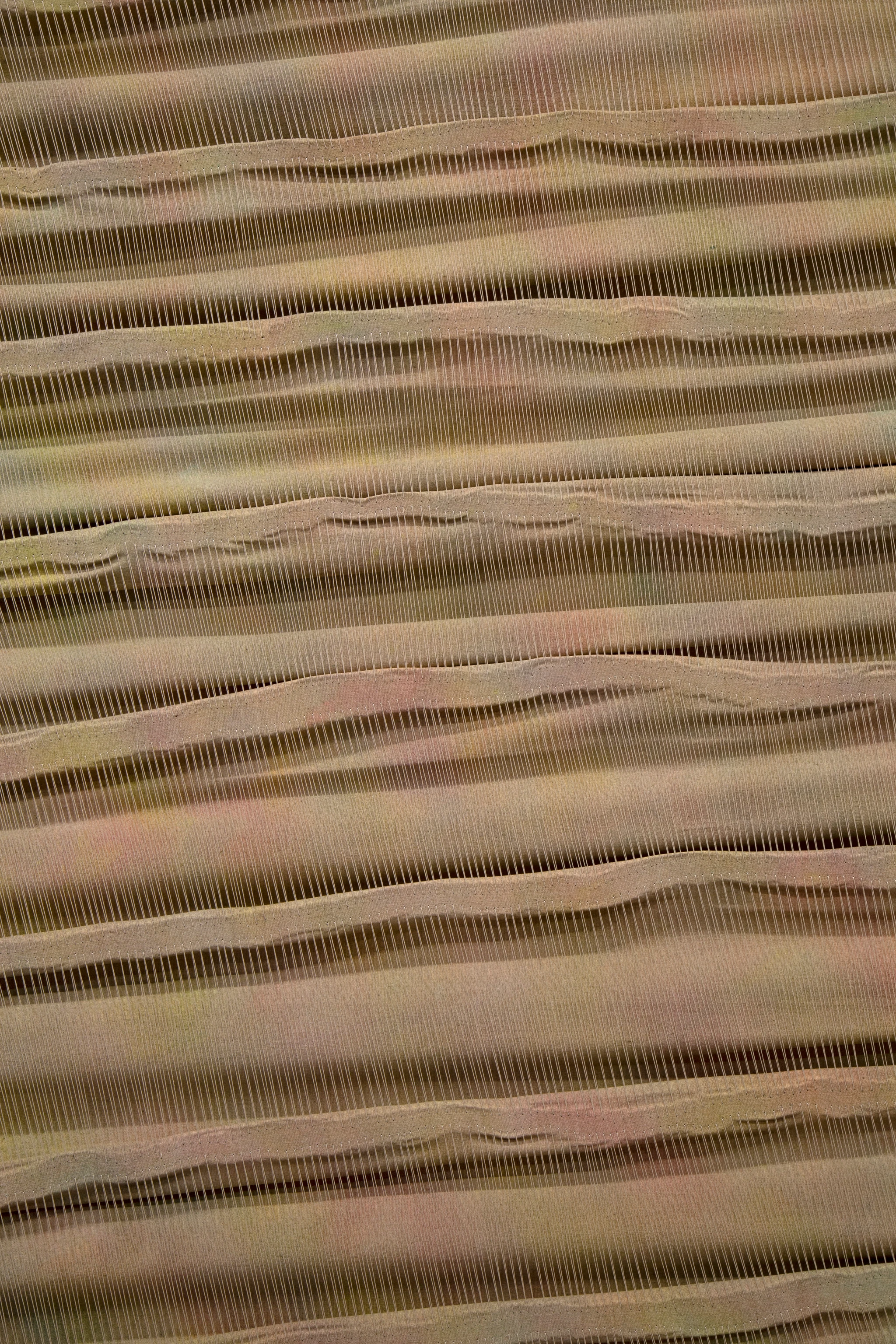
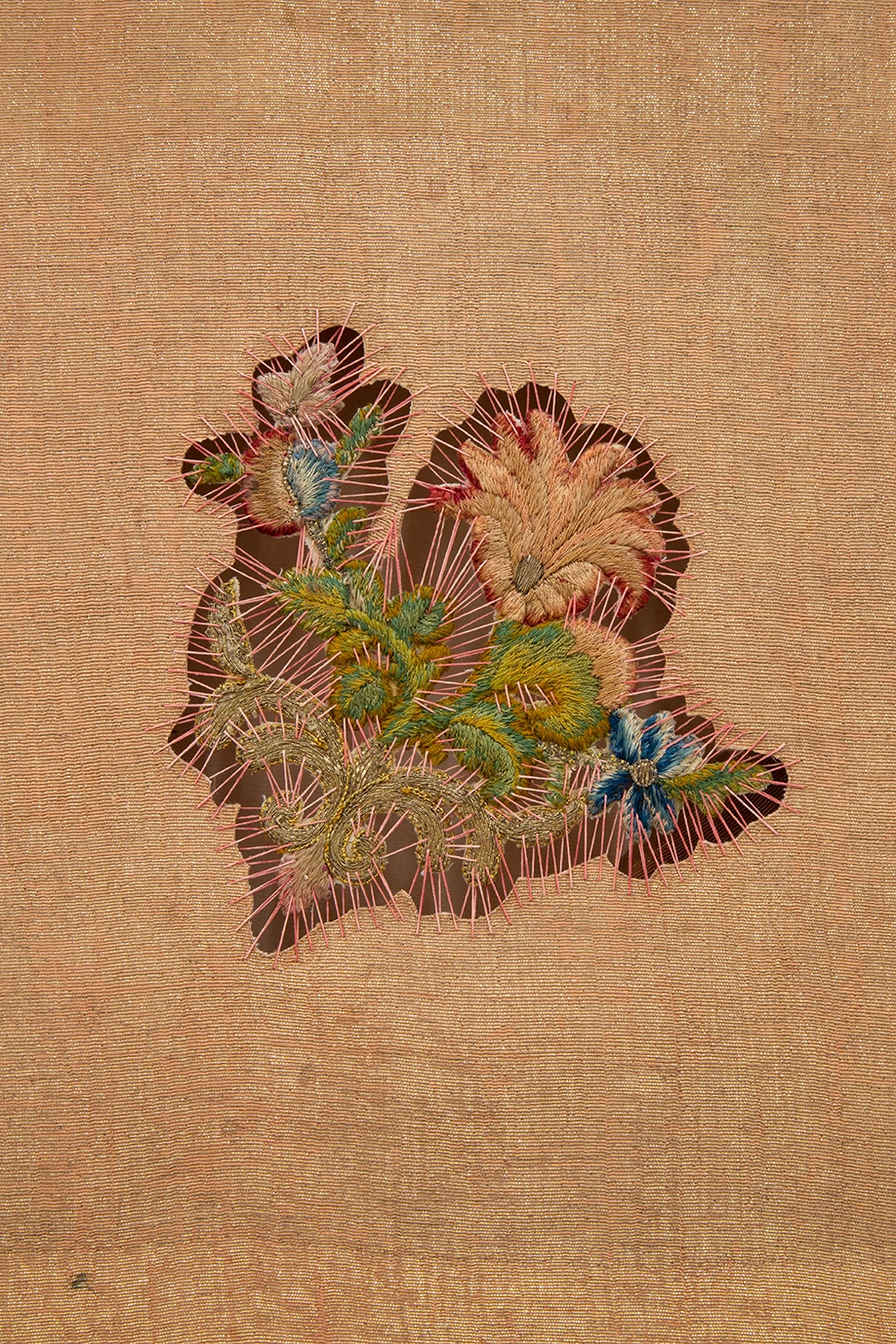
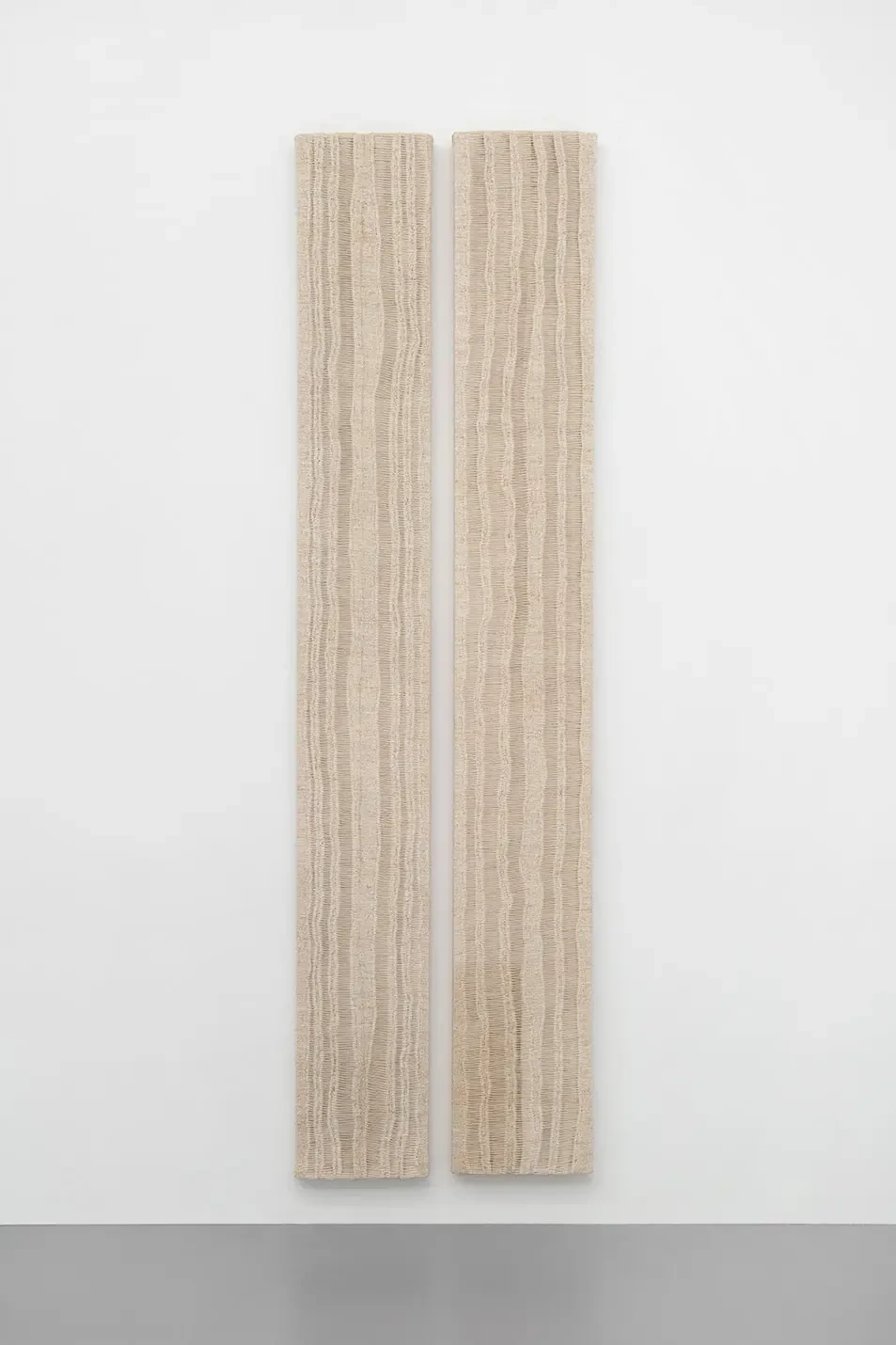
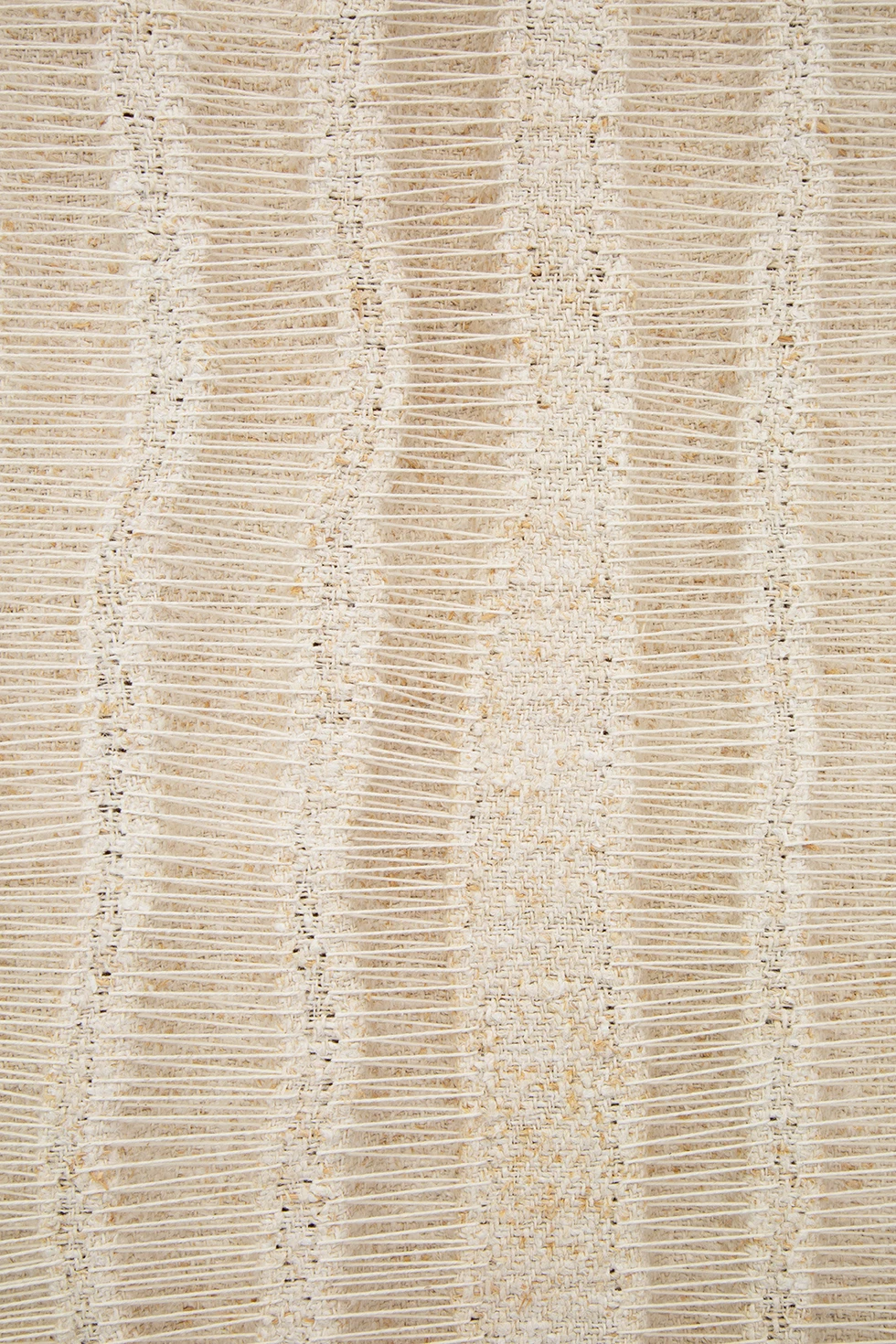
Les œuvres de Sidival Fila rendent hommage aux toiles du passé, mises de côté, travaillées par le temps. Réutilisant autant des draps anciens, des tissus liturgiques que des brocards précieux, Sidival Fila transforme les textiles par un savant jeu de plissage, de rapiéçage et de broderie qui en modifient la perception. Cette sublimation par la couture confère aux œuvres toute leur aura et provoque des vibrations poétiques ou comme ici ― à partir d’une soierie de la fin du XVIIIe siècle ― recompose des motifs floraux en un nouvel effet optique. Son travail vise à libérer l’objet de sa condition « matérielle » par une pratique qui s’apparente à un rituel méditatif. Au carrefour de l’Arte Povera et de l’Art informel, Sidival Fila transforme les vestiges en œuvres incarnées, voire sacrées.
Sidival Fila’s work pays homage to ancient textiles that have been kept and altered by time. Fila transforms old sheets, liturgical weaves and precious brocades by folding, patching and embroidering them to transform our perception of them. The aura that surrounds his works is the result of this sublimation through the act of sewing, which generates poetic resonances. For this piece, he has taken a section of late eighteenth-century silk and rearranged the floral figures into a new optic effect. His work aims to free the object from its ‘material’ condition through a practice that is somewhat like a meditative ritual. The traditions of Arte Povera and Informal Art intersect where Sidival Fila transforms remnants into incarnated, even sacred works.
An antique linen lining, taken from a 19th-century dalmatic, has been cut, glued, and mounted over a stretcher, featuring the sewn silhouette of an undefined flower and small inserts of plexiglass mirror. Removed from its liturgical context, the fabric loses its original function but retains the spirituality woven into its threads—now transposed into the language of contemporary art.
The reflective fragments return the viewer’s image, evoking a sense of identification, while the delicate stitching holds the canvas in tension, veiling what lies beyond the surface. The gaze is invited to turn inward—reflected—but also to lean forward with the responsibility of uncovering what remains hidden. In this dual movement, a space opens for poetic and existential responsibility, capable of transforming perception and revealing new horizons of compassion.
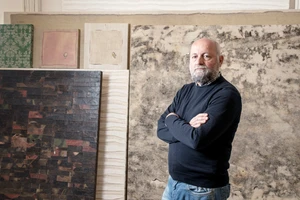
Sidival Fila
Lives and works in Rome, Italy