














Cléopatra
Gones
Born in 1999 in Amadora, Portugal
Lives and works in Paris, France
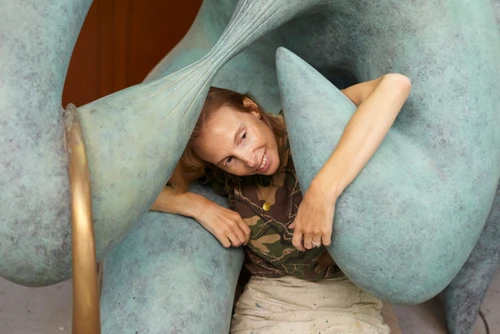
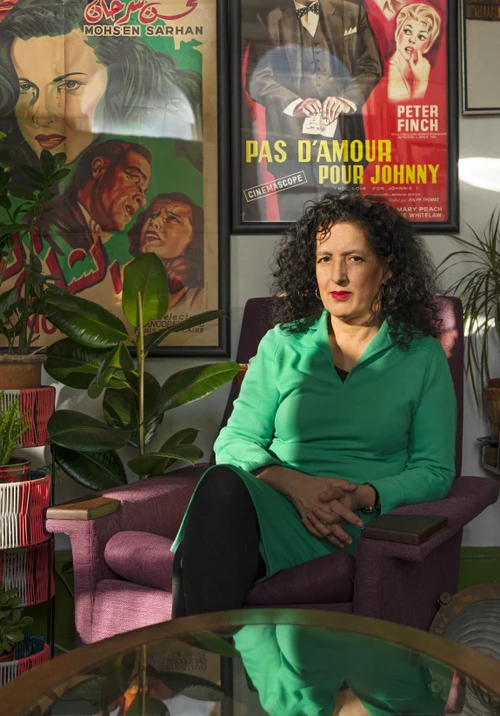
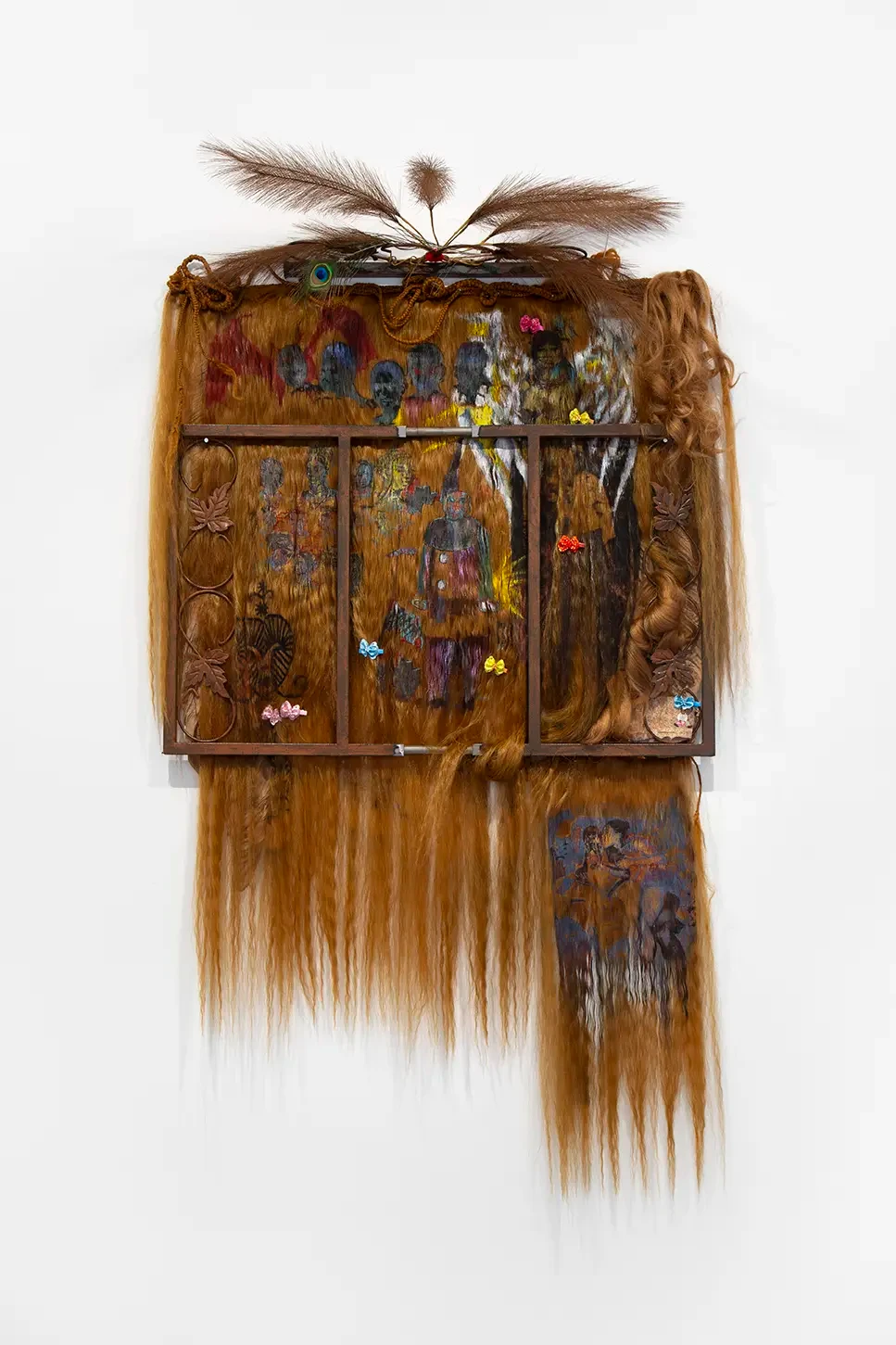
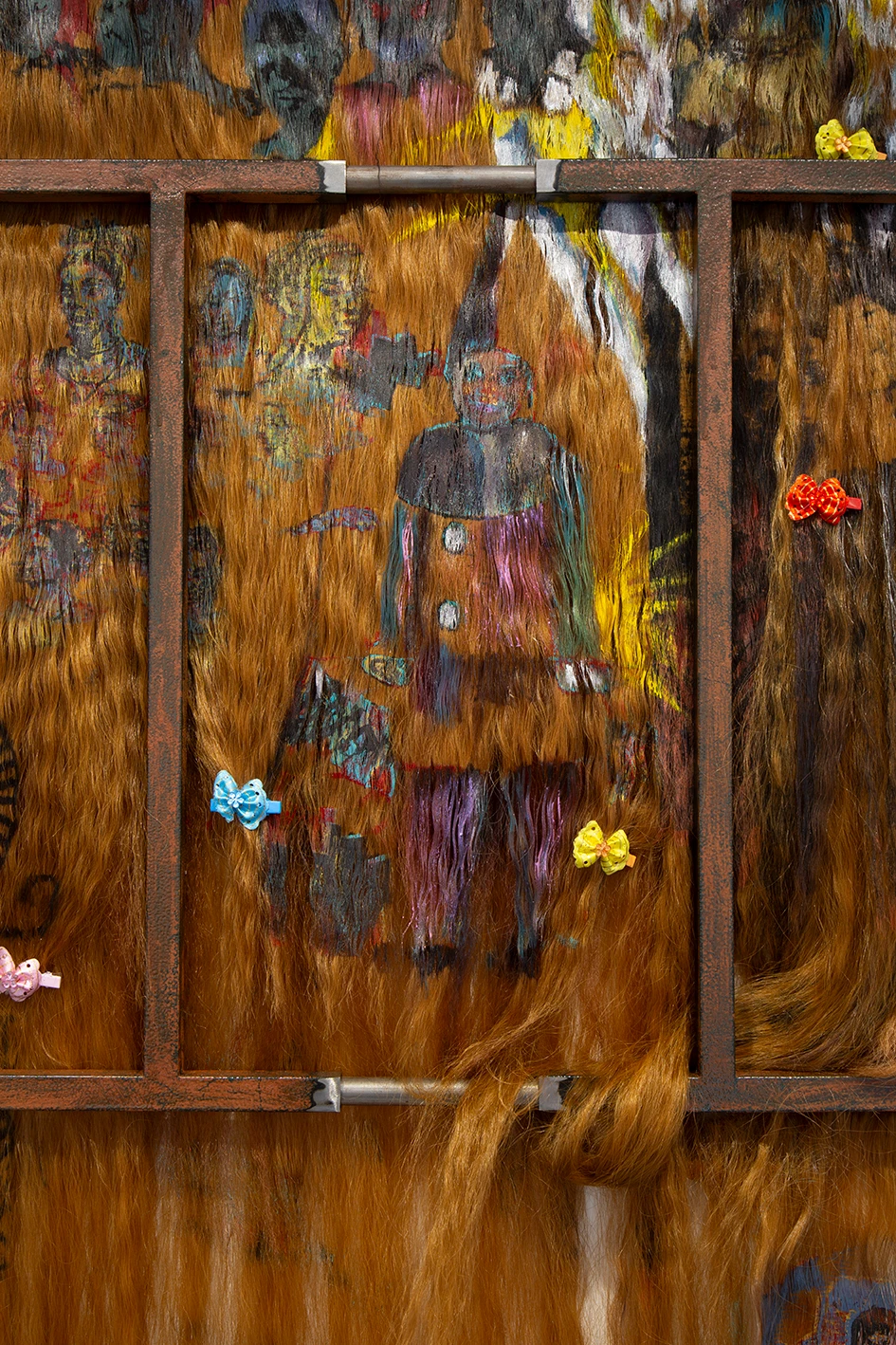
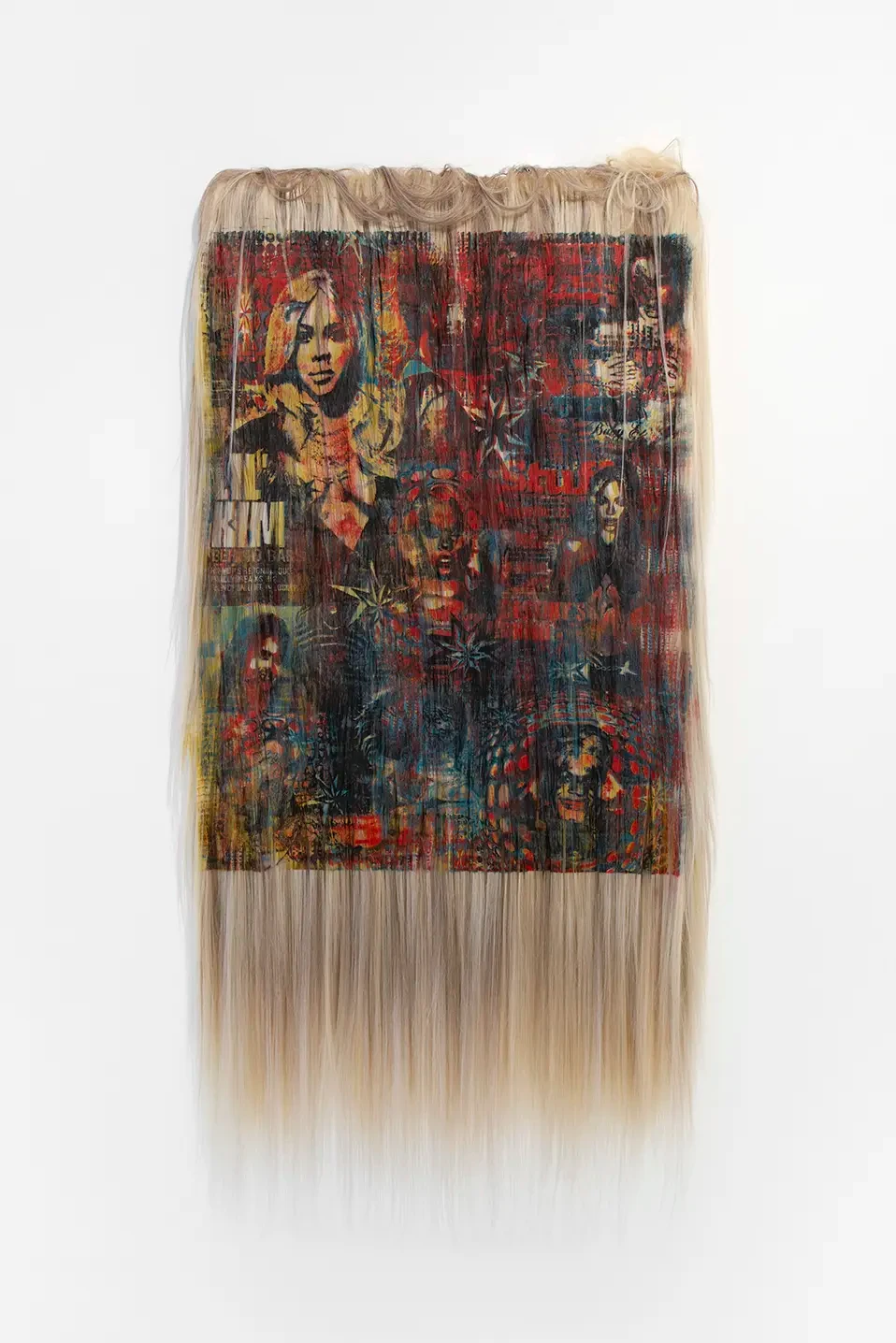
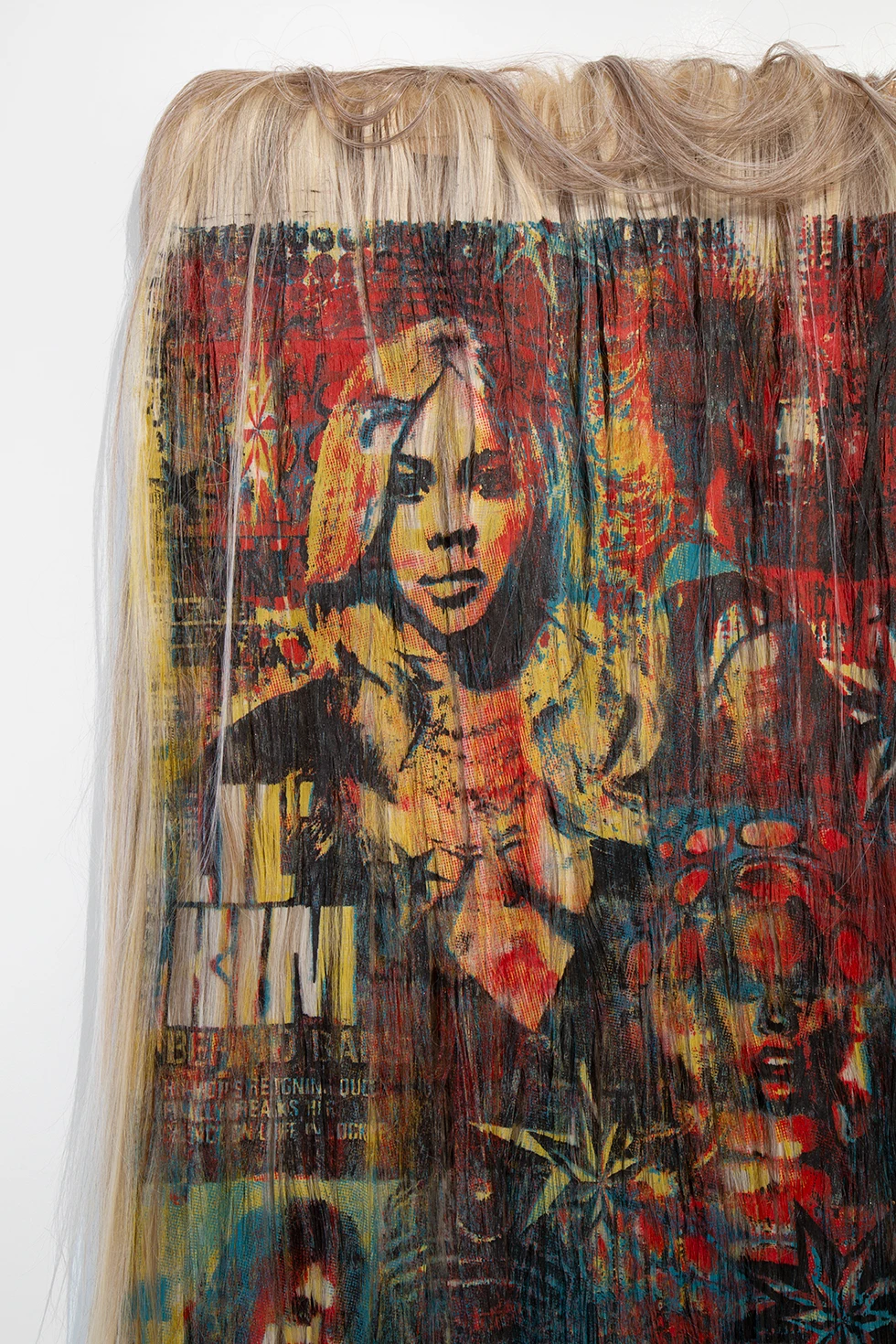
Cléopatra Gones’ sculptures, rooted in the experience of bodies and images, subvert colonial representations. Through the repurposing of beauty objects, the artist reveals the mechanisms of political and economic injustices.
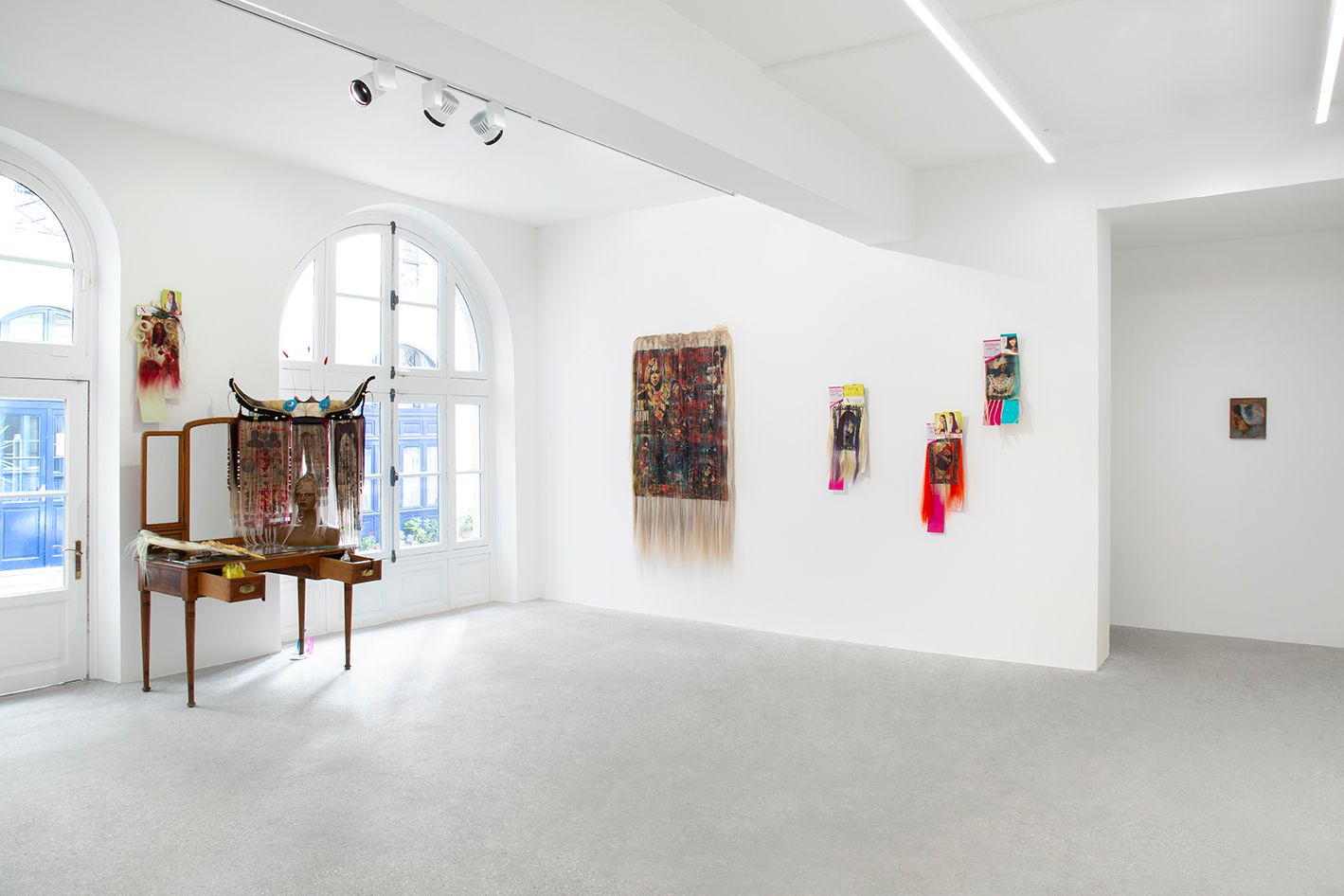
We dream of immersing ourselves in the works of Cléopatra Gones as if entering a space of care. A dressing table, hair extensions, makeup pads, fans, a hair stand: familiar objects linked to intimacy. What is at stake is not only representation, but a gesture—one of repairing, redirecting, and of giving visibility. The artist’s practice is rooted in a history marked by the violence of images. From colonial cartographies to contemporary beauty industries, Black bodies, particularly female bodies, have been classified, displayed, and reduced to objects of study. What she constructs reads as an intimate and geographical pantheon: a space where these images are reworked, handled, and tended to, within a constellation of places, objects, and figures dedicated to the beauty of bodies.
Cléopatra Gones’ works thus become gestures of care, repair, and reparation in the face of a contemporary colonial order. — Marilou Thirache
Artworks
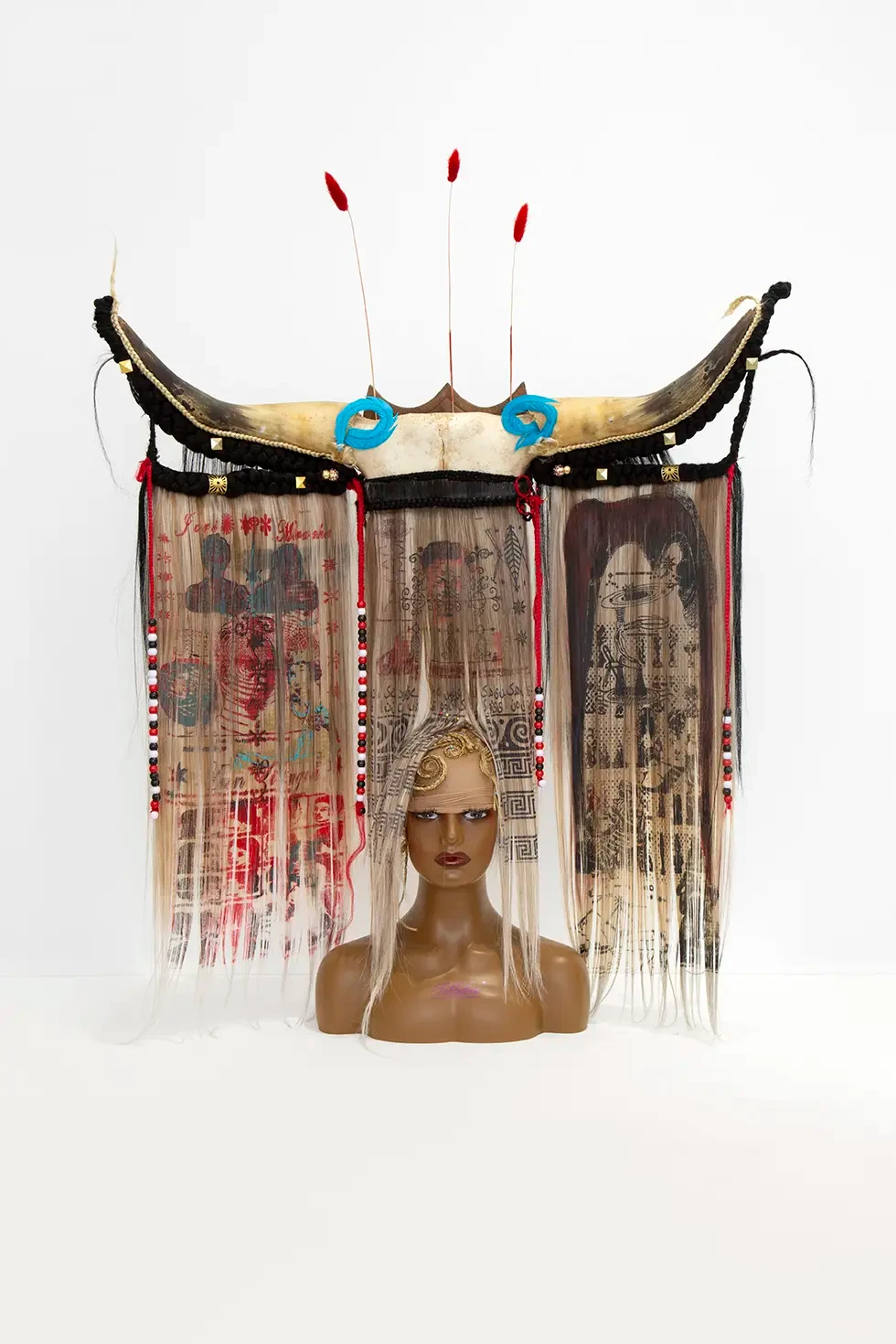

Cléopatra Gones
Isis Râ Dilon Tavares Gonçalves, The Burning Mother — Mère aux cornes solaires, celle qui porte en son corps le soleil rouge, 2026
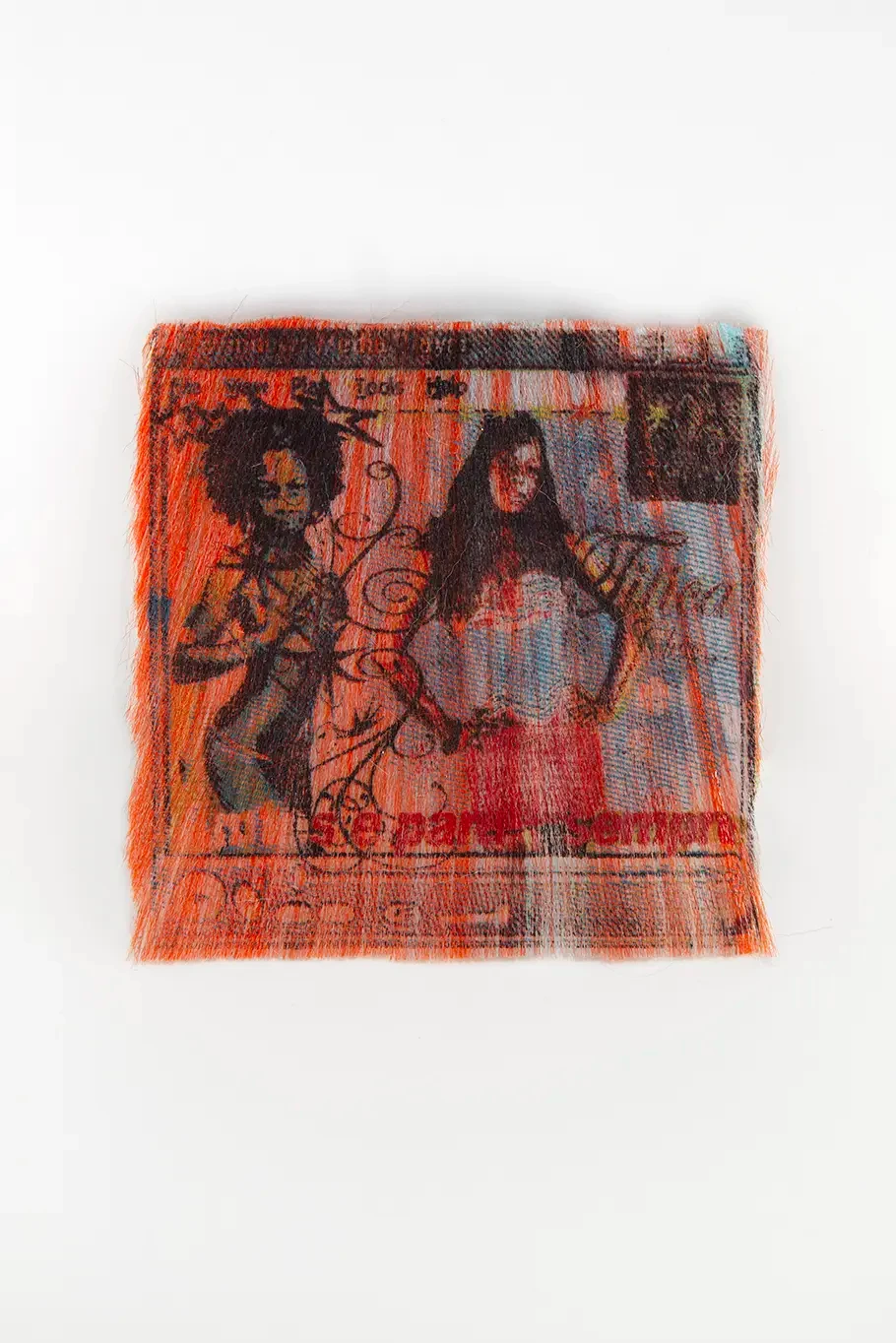
Cléopatra Gones
CD, 2026
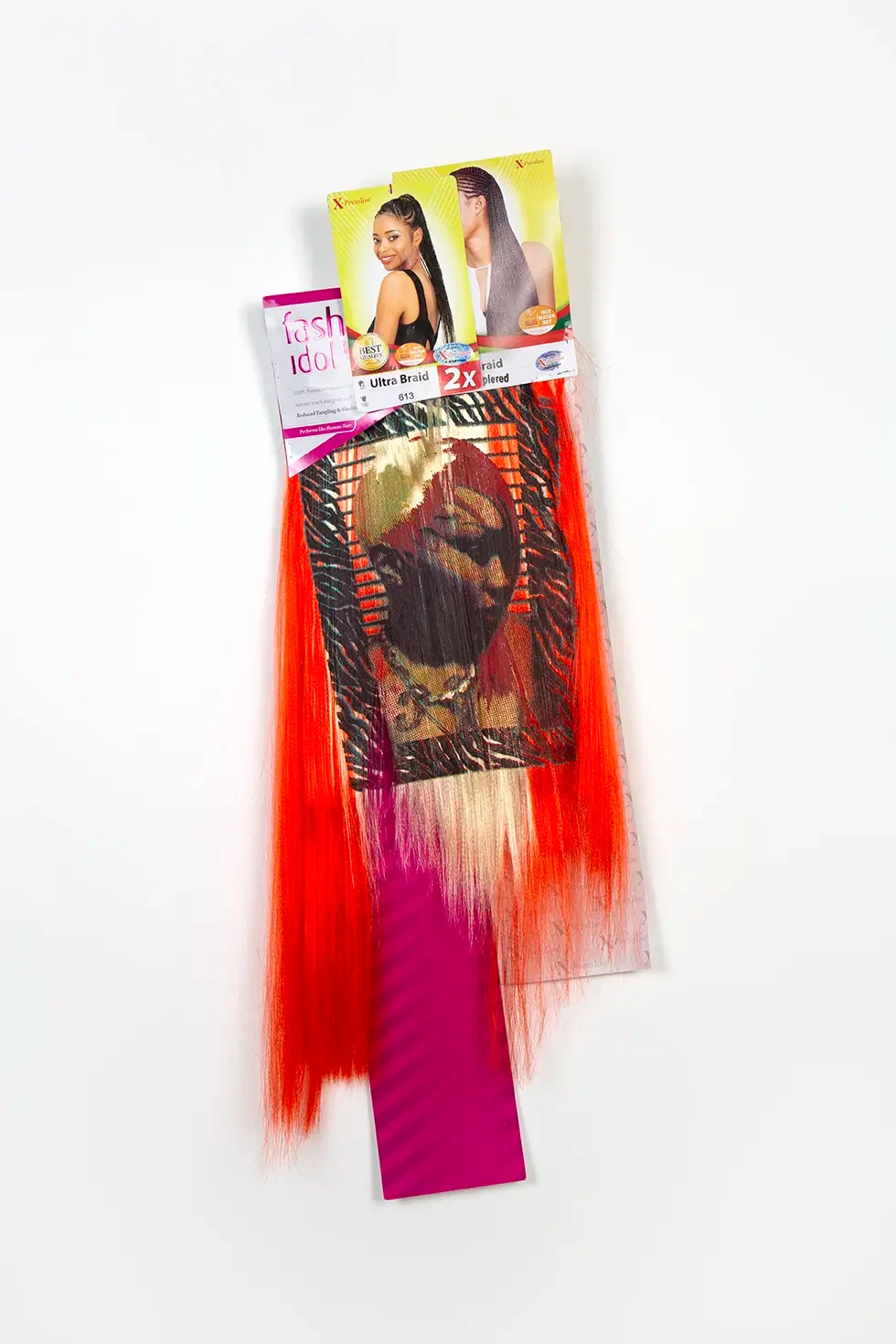
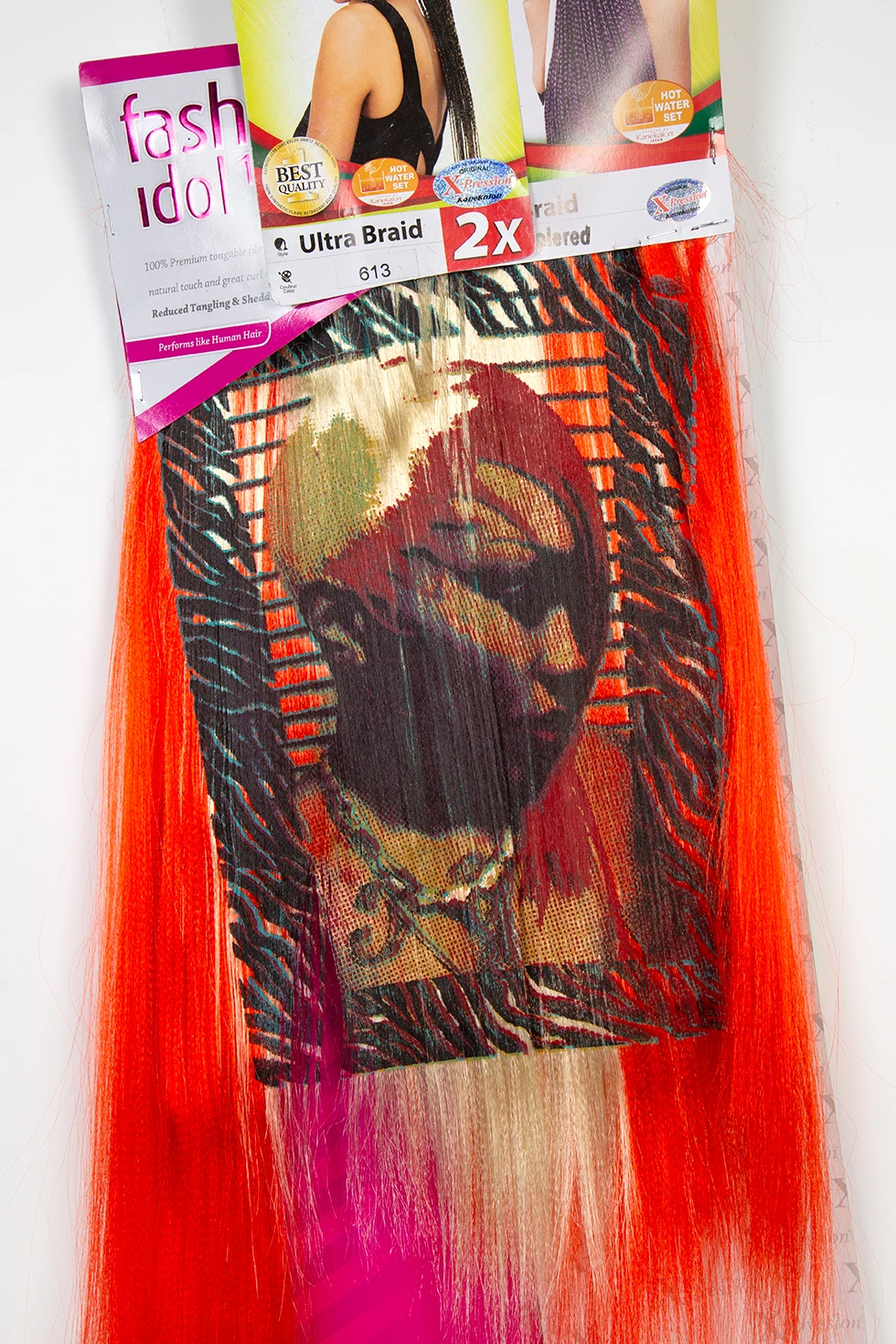
Cléopatra Gones
Hot Hair Discrimination
Cléopatra Gones
Não tenho Saudade, Não. Porque Já más Vou me esquecer do tipo de Mulheres que me criou, 2026
Cléopatra Gones
Lãs plásticas, 2026