





Mennour Emergence #3
Arcadie
Sila Candansayar, Mariama Conteh, Cléopatra Gones, Anna Kereszty, Papiyon, Apolline Regent
Apr 16 - May 31, 2026
Mennour, 5 rue du Pont de Lodi
A project initiated by Jessy Mansuy, Global Executive Director of Mennour
and curated by Christian Alandete, Scientific Director of Mennour
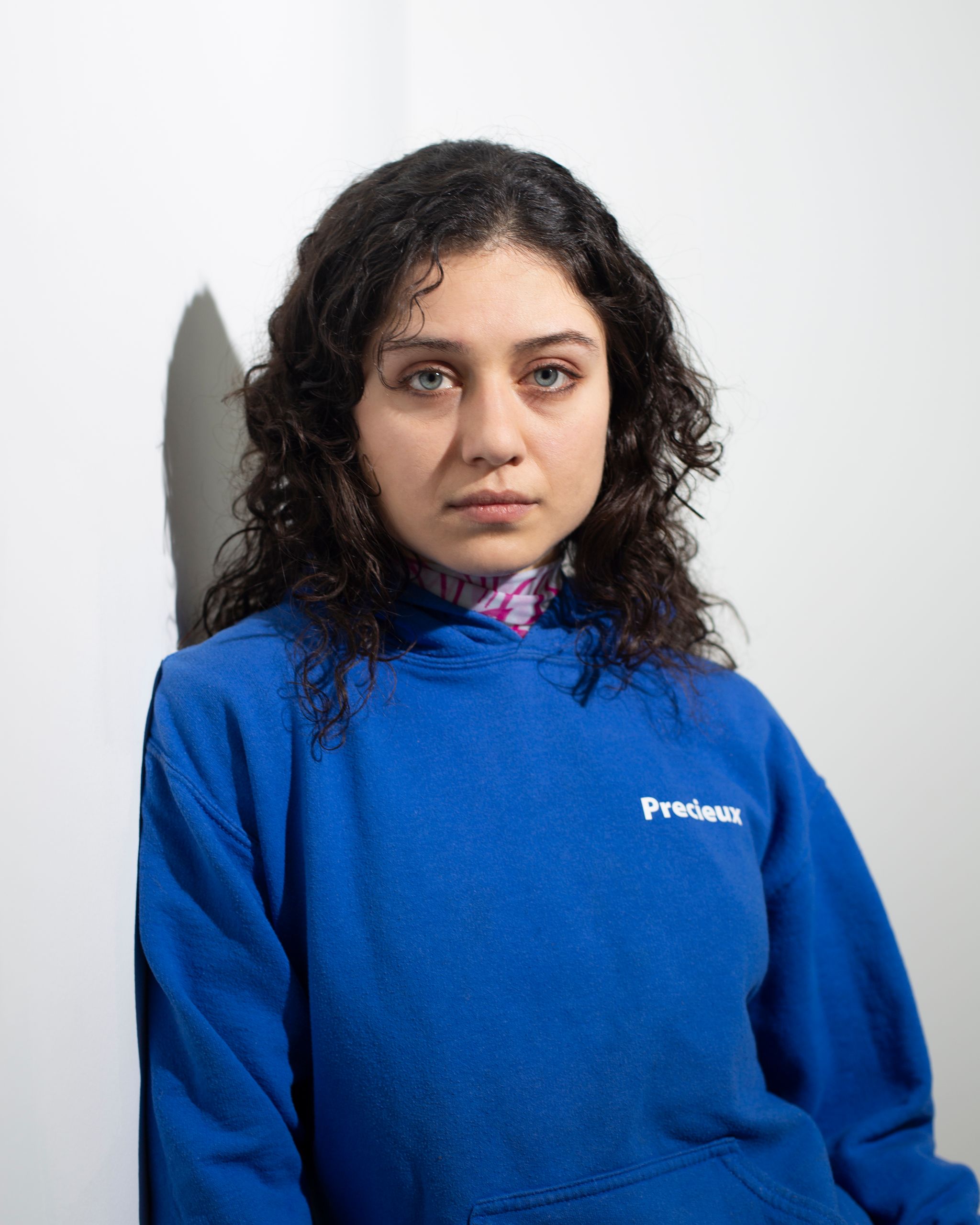
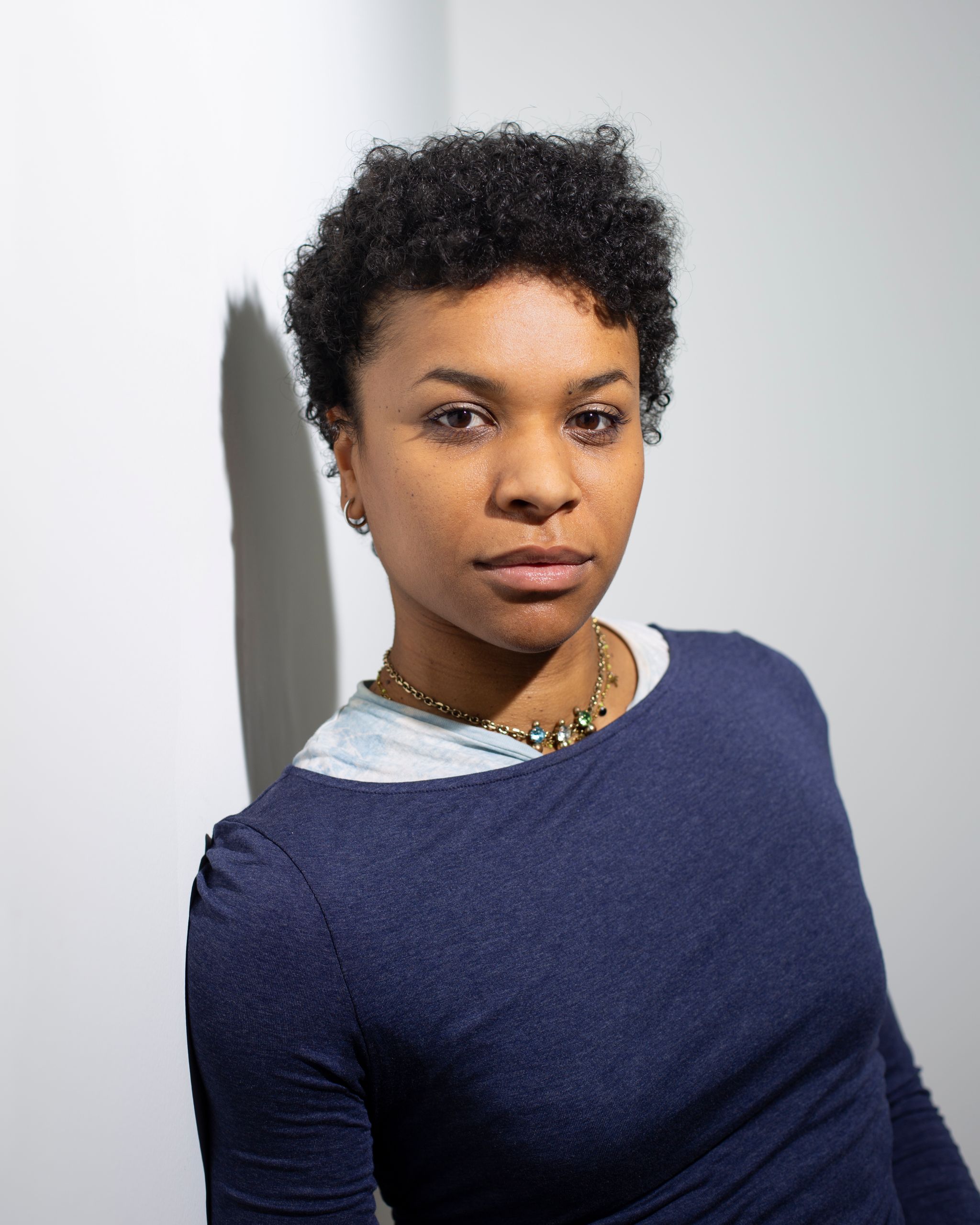
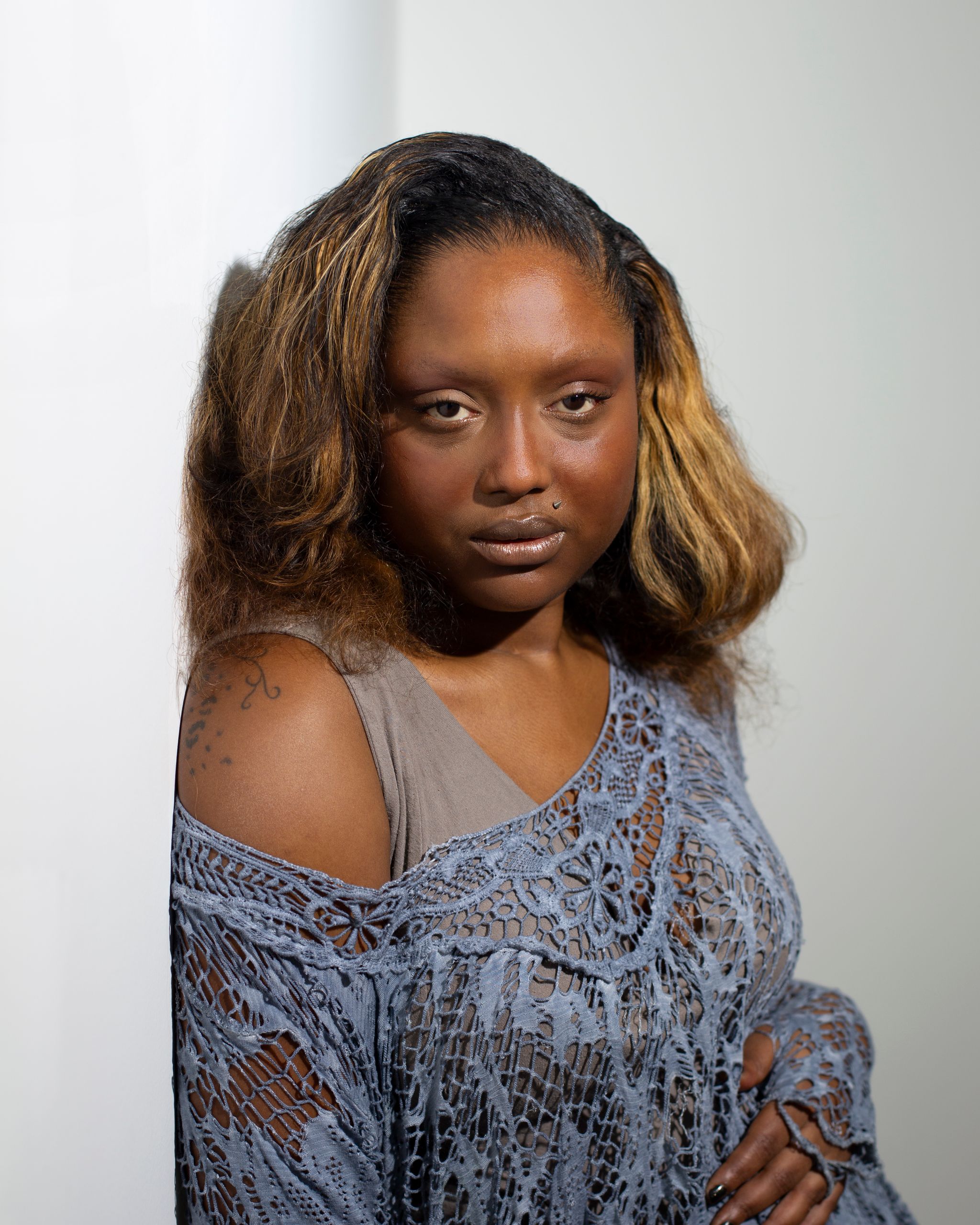

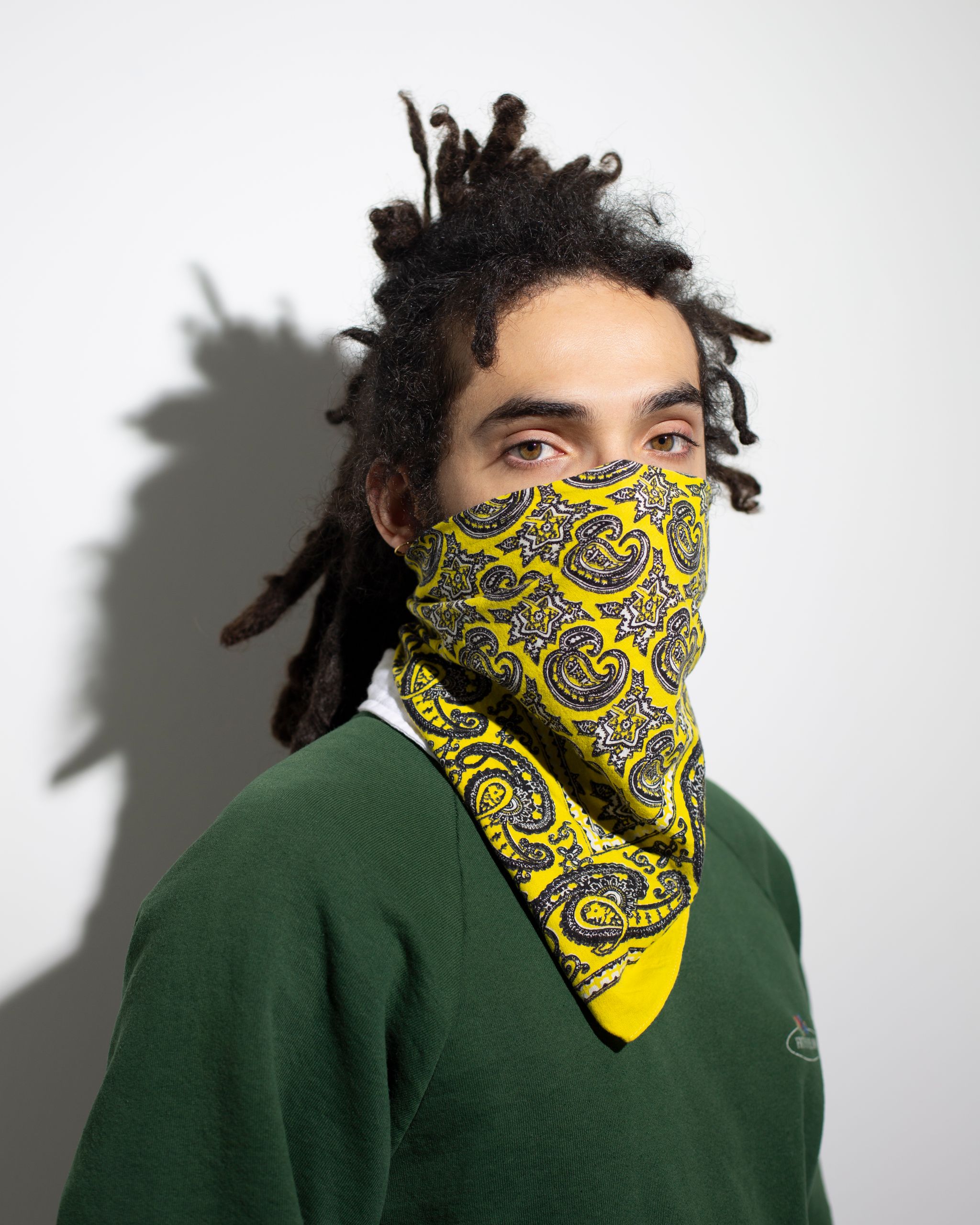
For a long time, Arcadia referred to a territory of projection: a pastoral, idealised elsewhere in which harmony between human beings and nature could apparently be experienced without conflict. Since the poet Virgil (70-19 B.C.), it has become a persistent motif in Western art history-that of a possible paradise, albeit already threatened by its own fiction.
Today, Arcadia is no longer that stable and ordered place but a world traversed by contradictory forces. On the one hand, a place for reparation in which forms of community and relation to the living are reinvented. On the other, a territory in which an acute historical conscience is established; the product of a narrative often constructed at the cost of oversights and exclusions that are necessary to repair.
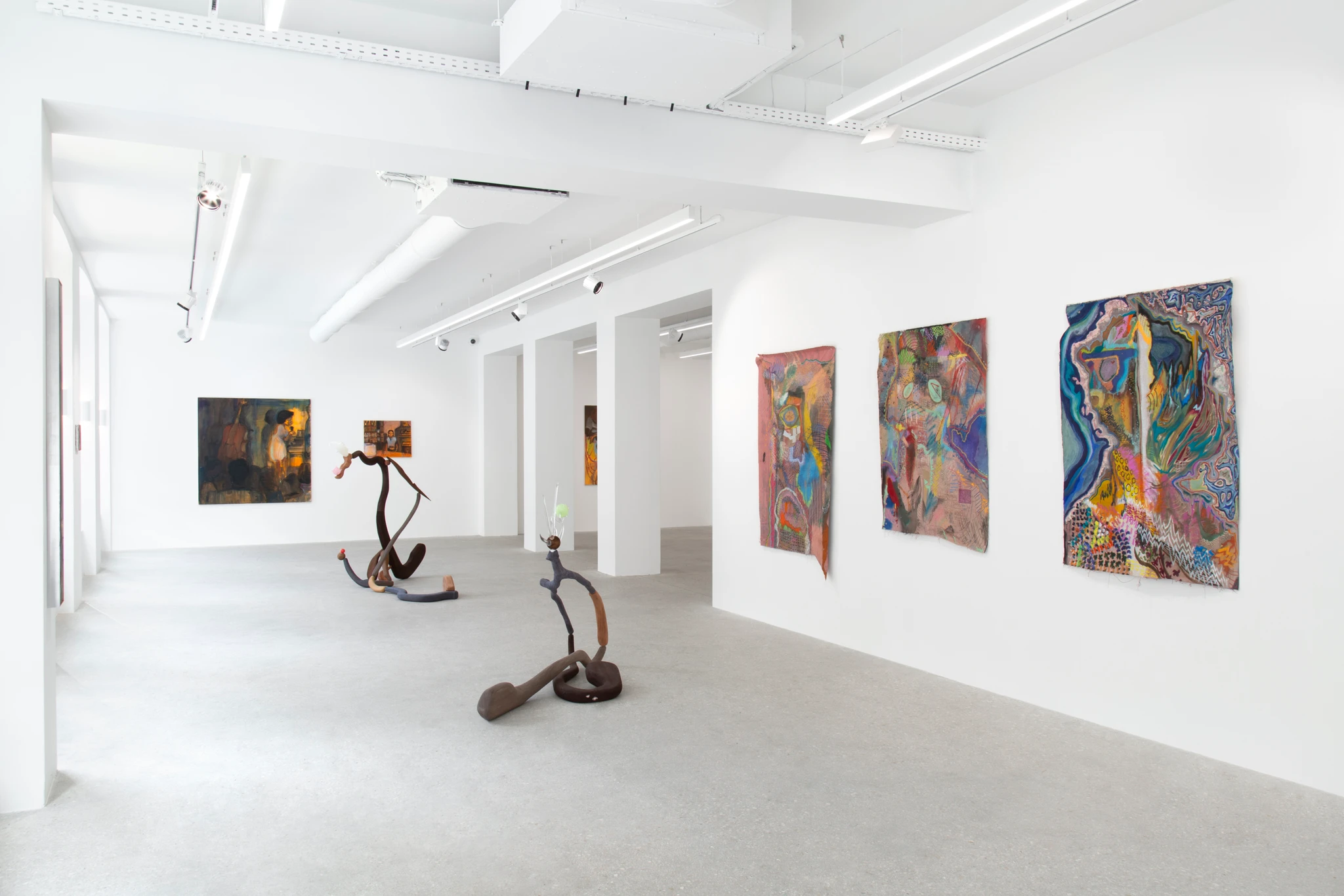
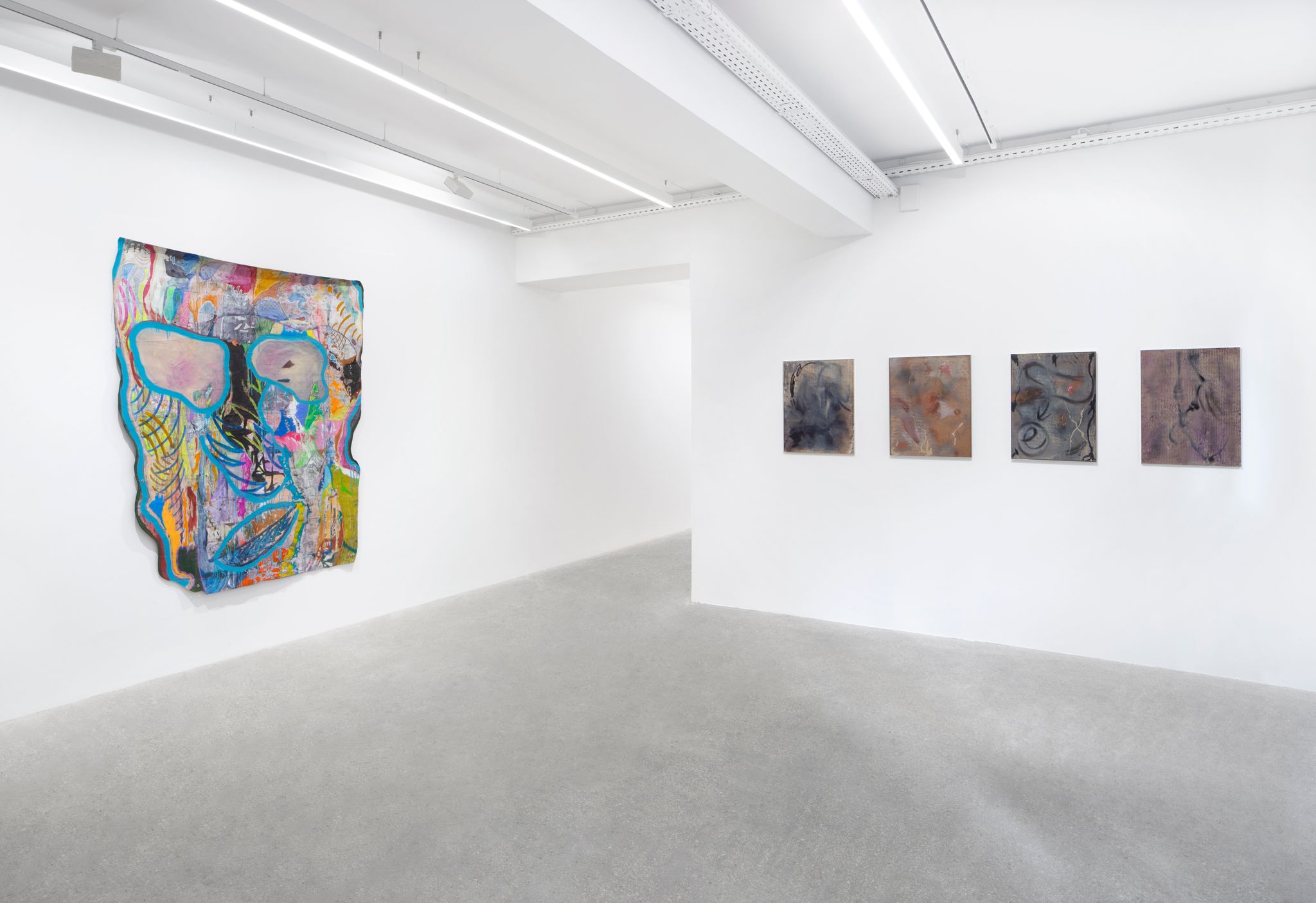
This third edition of Mennour Emergence gathers artists who recently graduate from Ecole des Arts Décoratifs - PSL, Ecole Nationale Supérieure des Beaux-Arts of Paris and École Nationale Supérieure d'Arts of Paris-Cergy. They were invited to produce original works presented here for the very first time; for some in the continuity of those made for their dearees. for others, already taking on new directions.
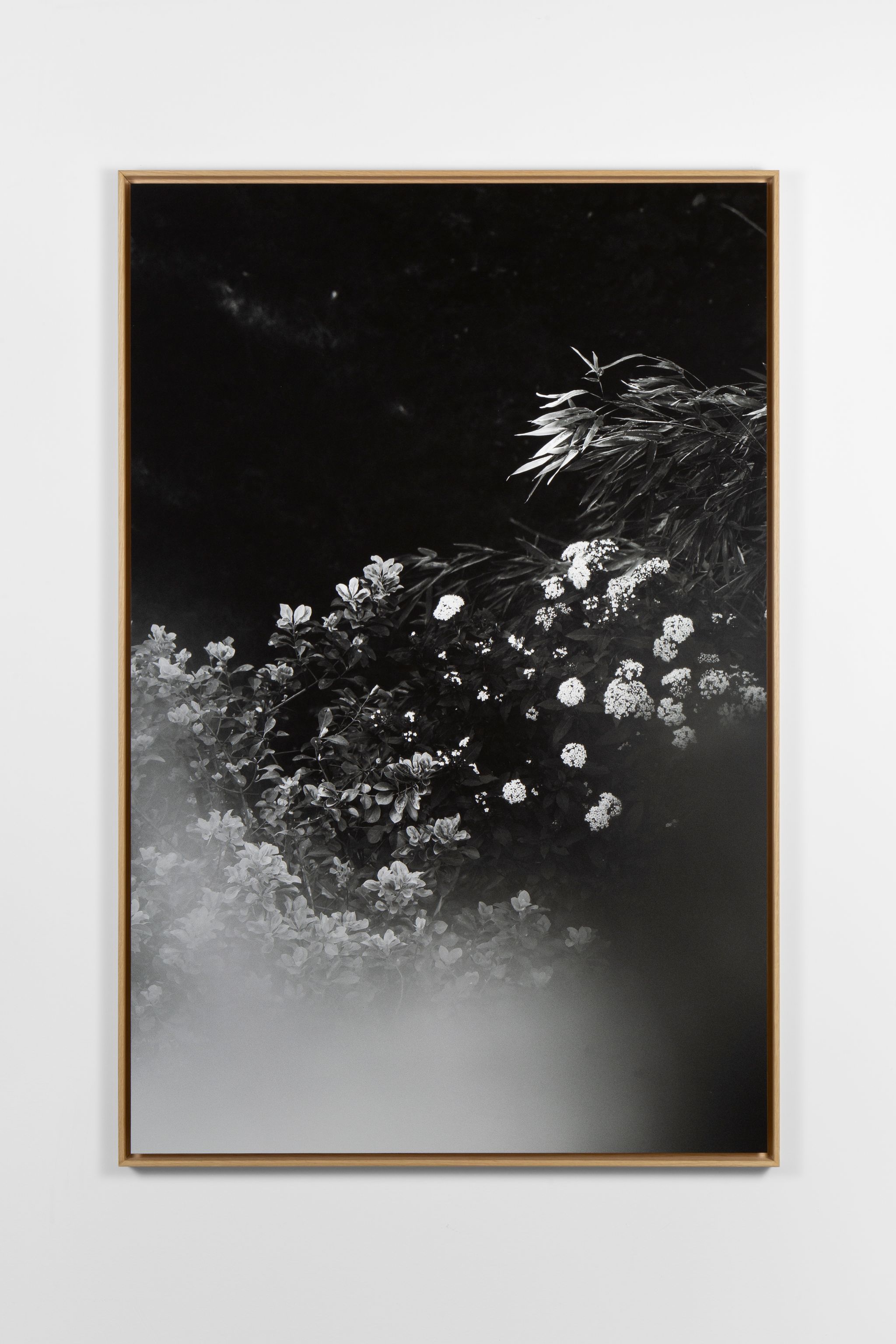
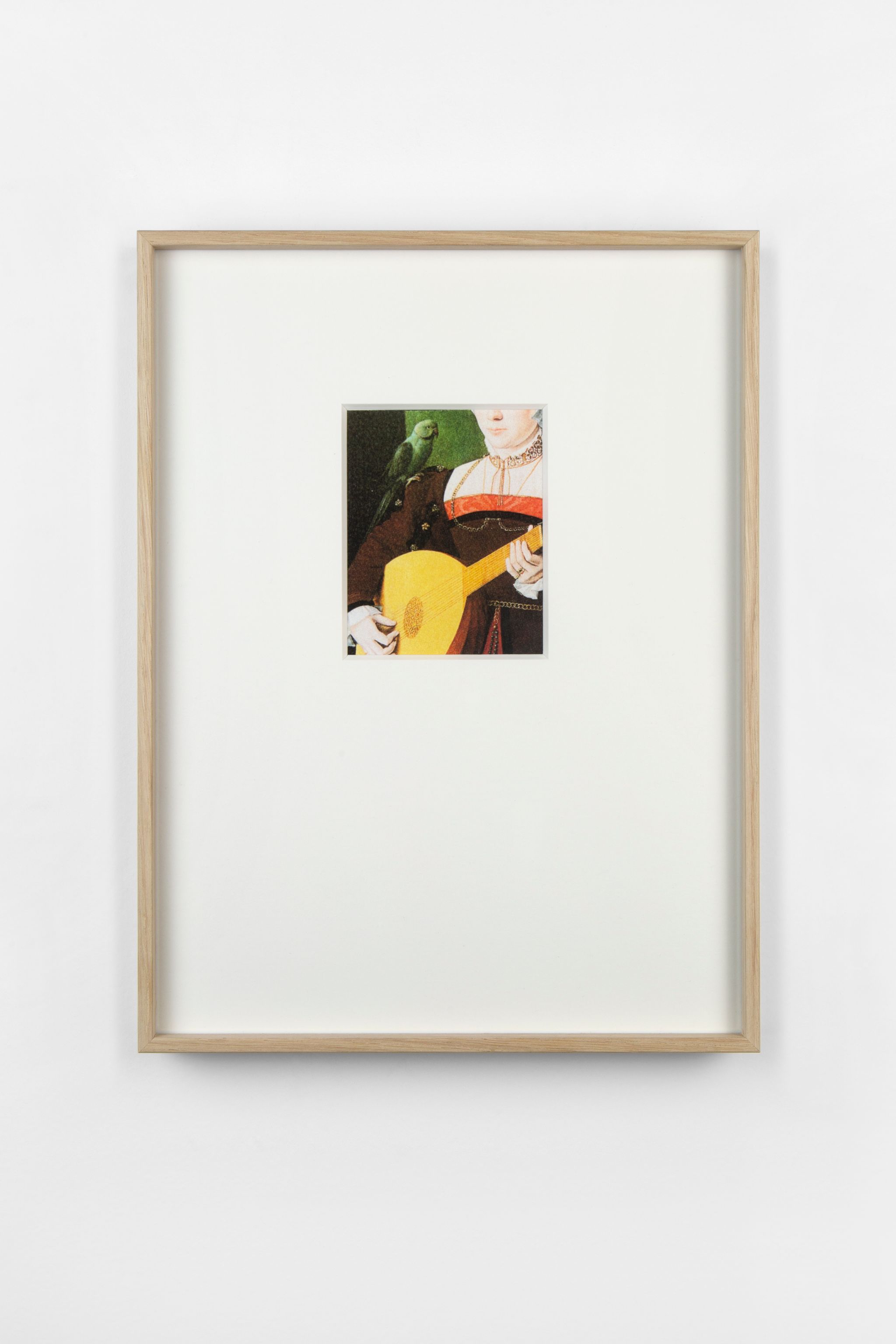
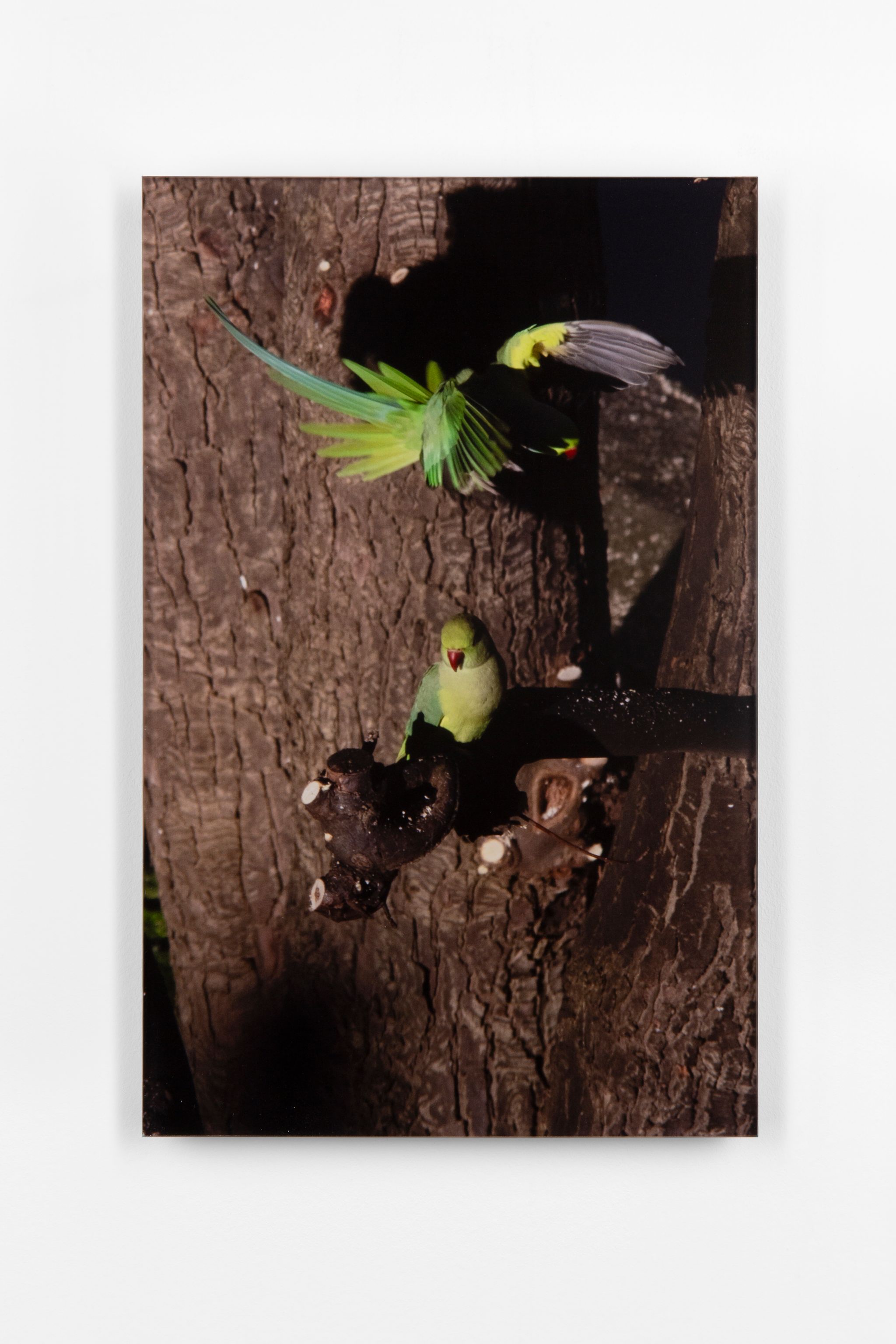
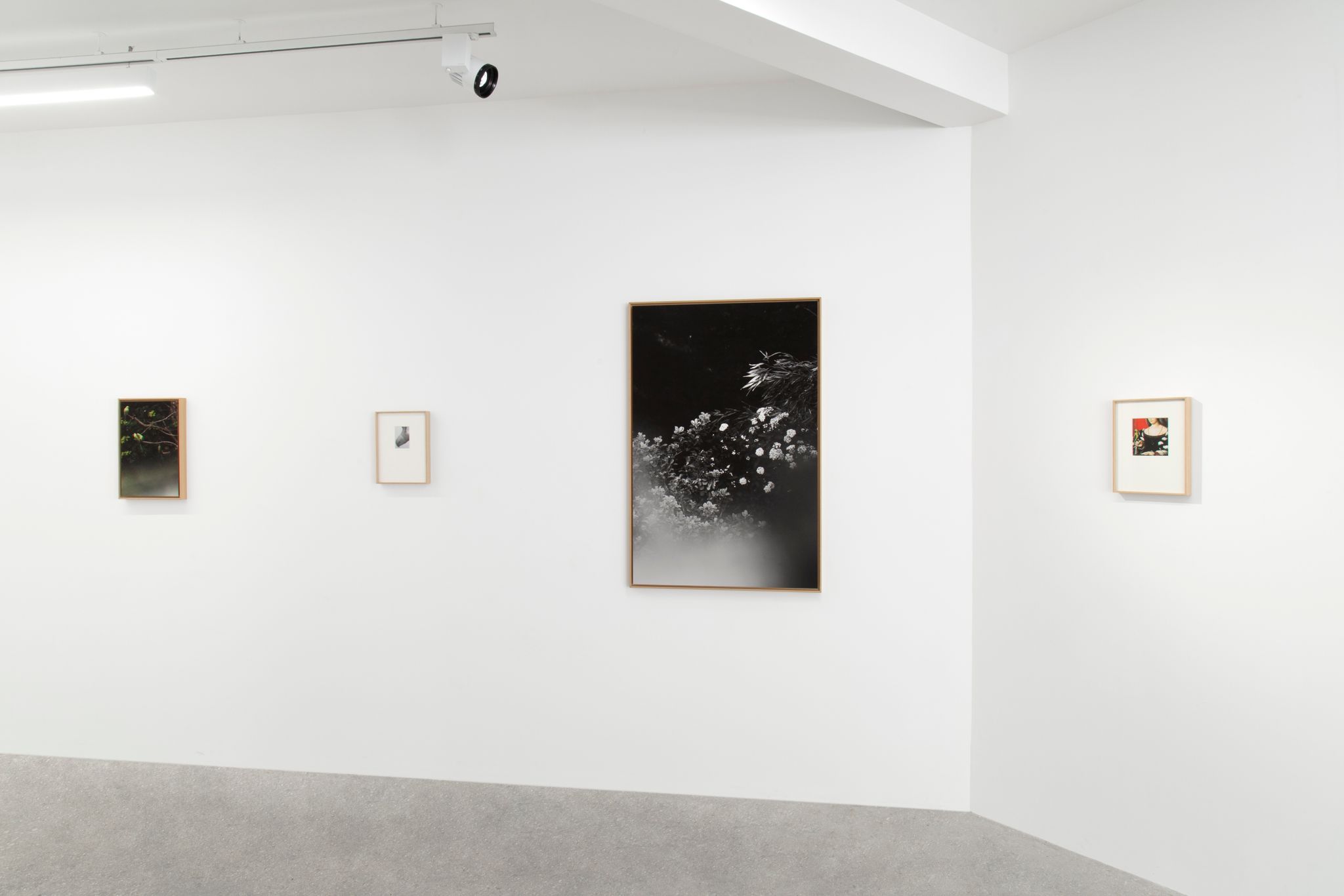
Ring-necked parakeets-returned to being wild after their escape in the 1970s and 1990s-have recently colonised Paris by becoming acclimatised to their new territory. Combining photos taken from her window and images from archives, Anna Kereszty questions the permanence of the taste for the domestication of exotic breeds at the cost of their freedom.
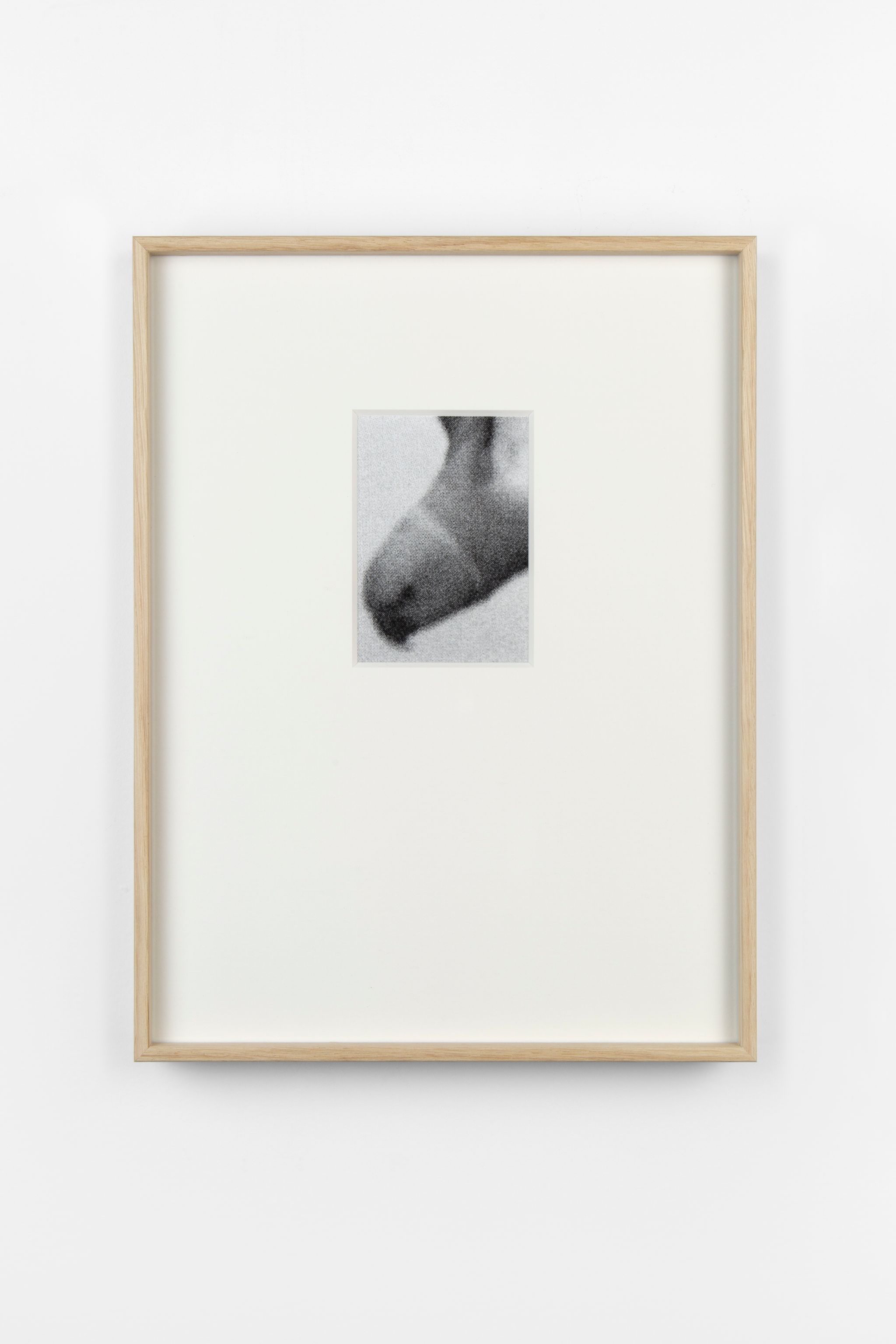
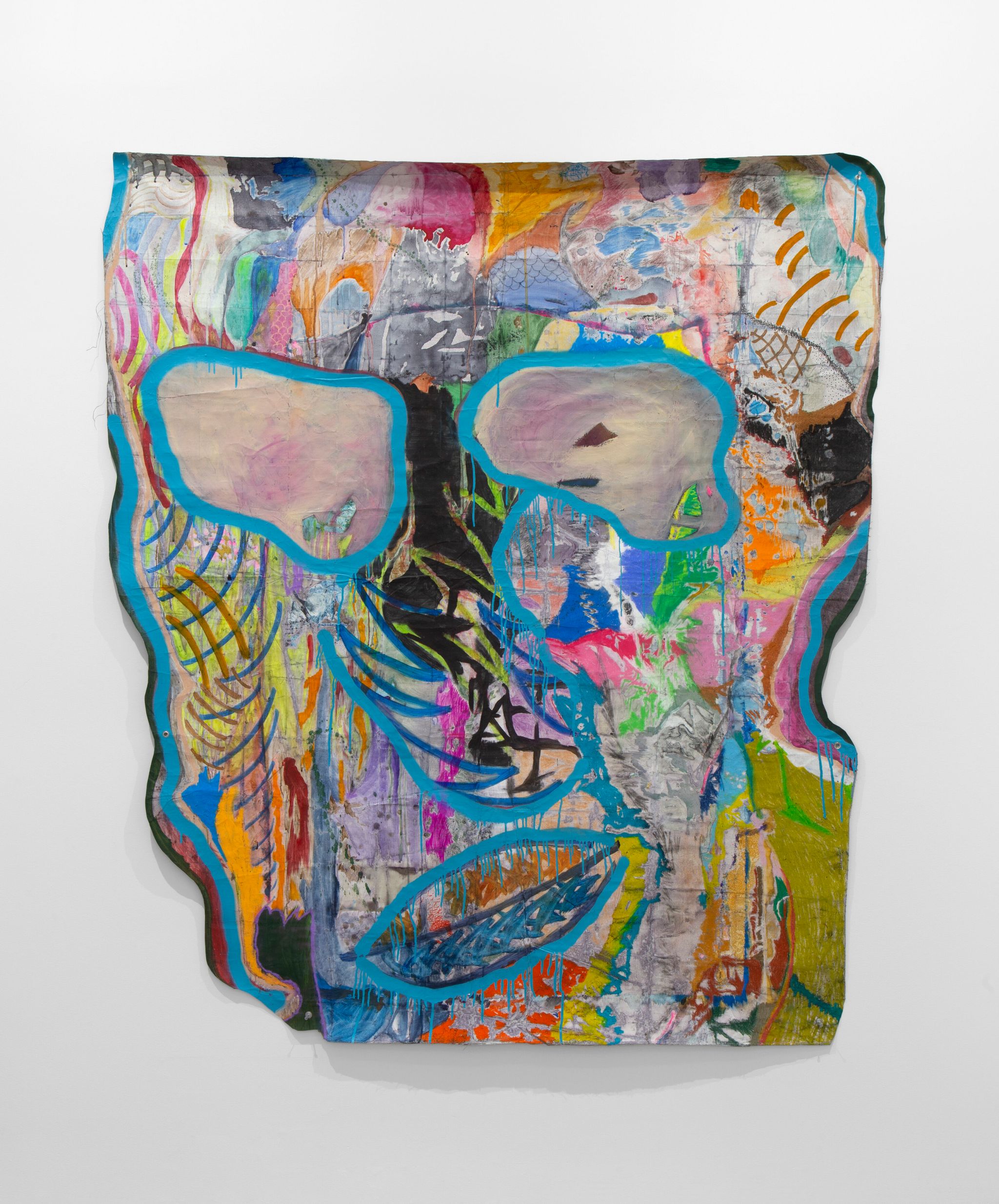
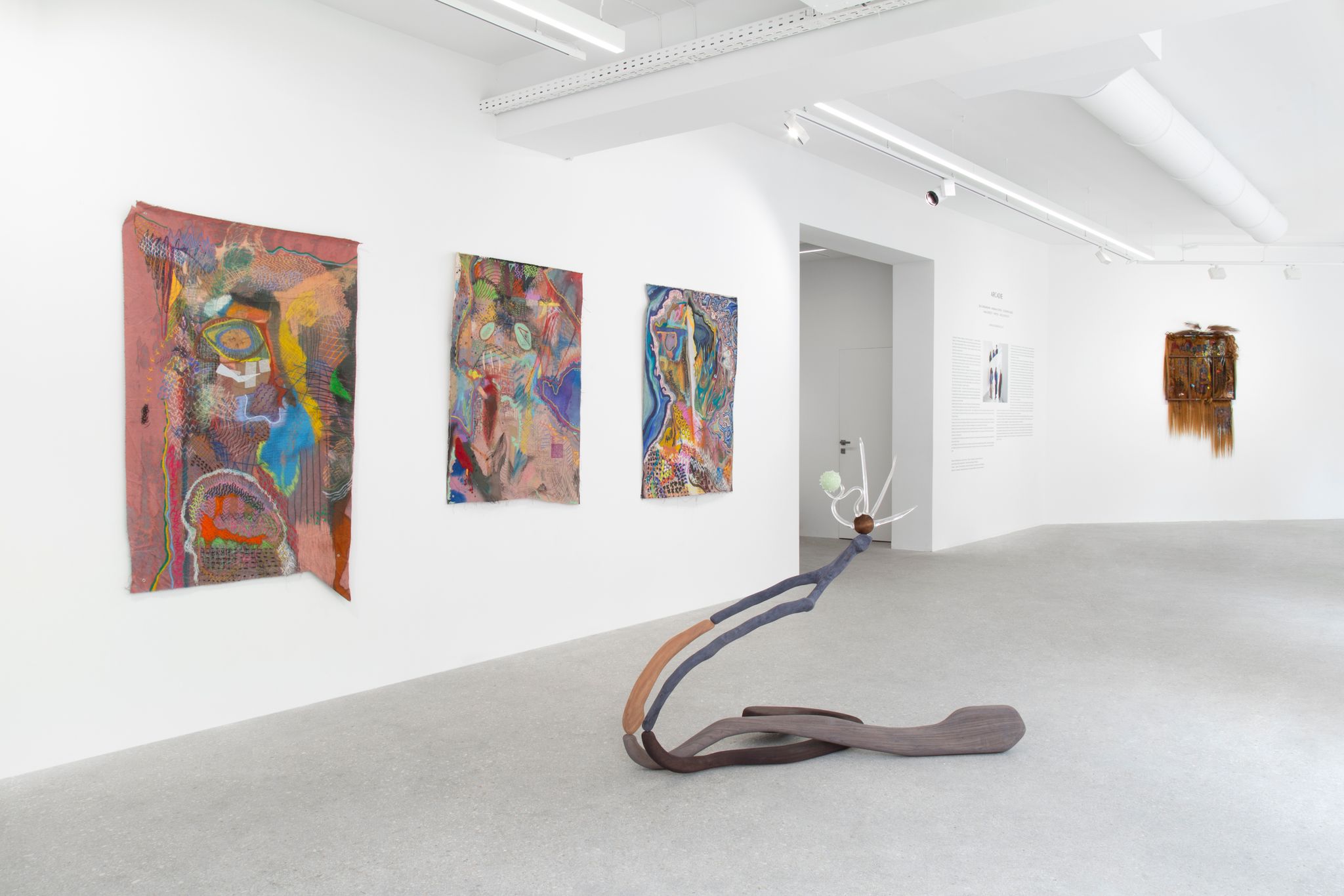
papiyon grew up in French Guyana, a place at the same time weighed down with the history of its repression (convicts and slaves alongside indigenous populations) and graced by their freeing. Borrowing his artist name from Kendrick Lamar’s album ’To Pimp a Butterfly’, they develop a chrysalis-like practice, paying homage to the figures of the Antilles in composite masks relating to the principle of creolising dear to Édouard Glissant.
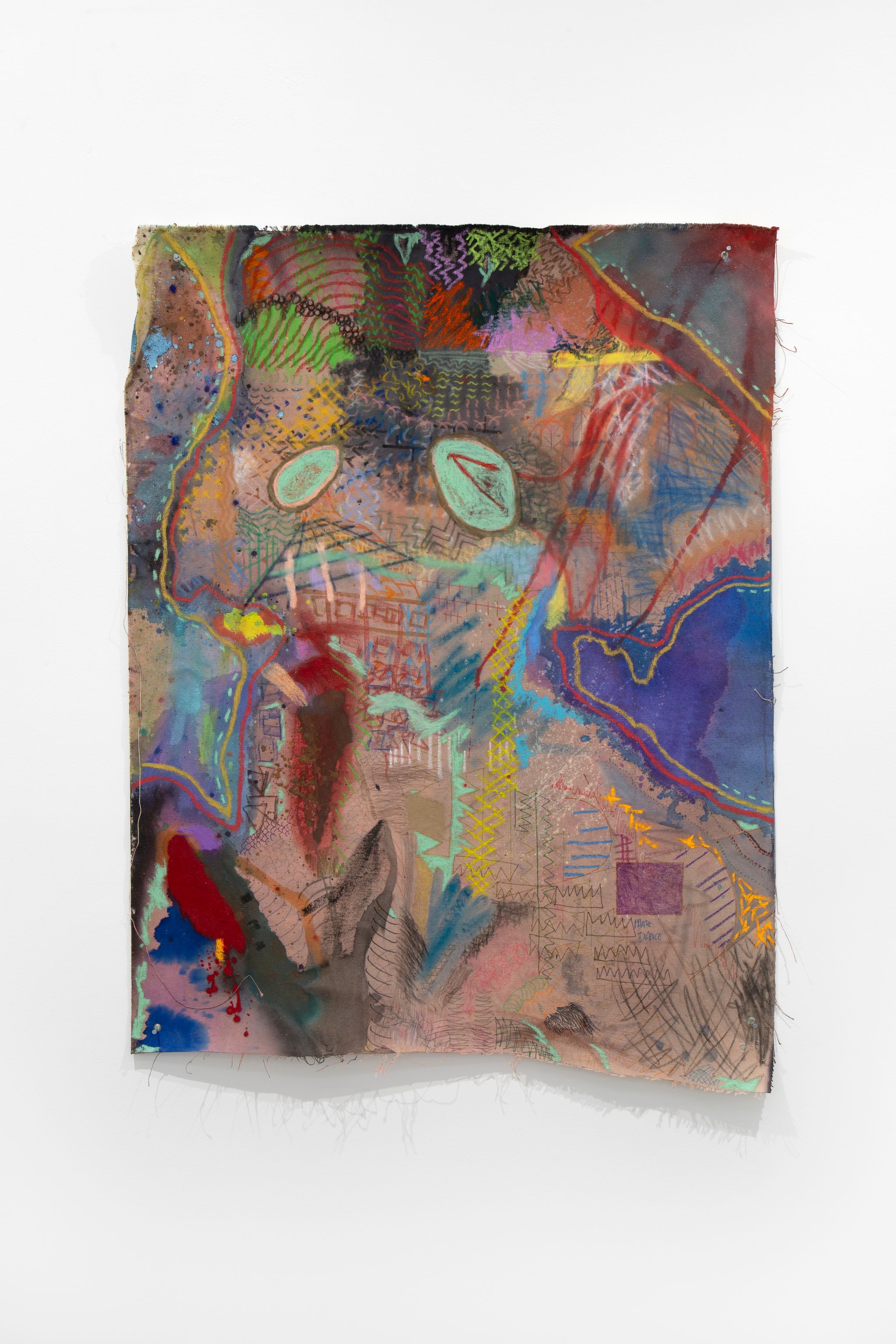
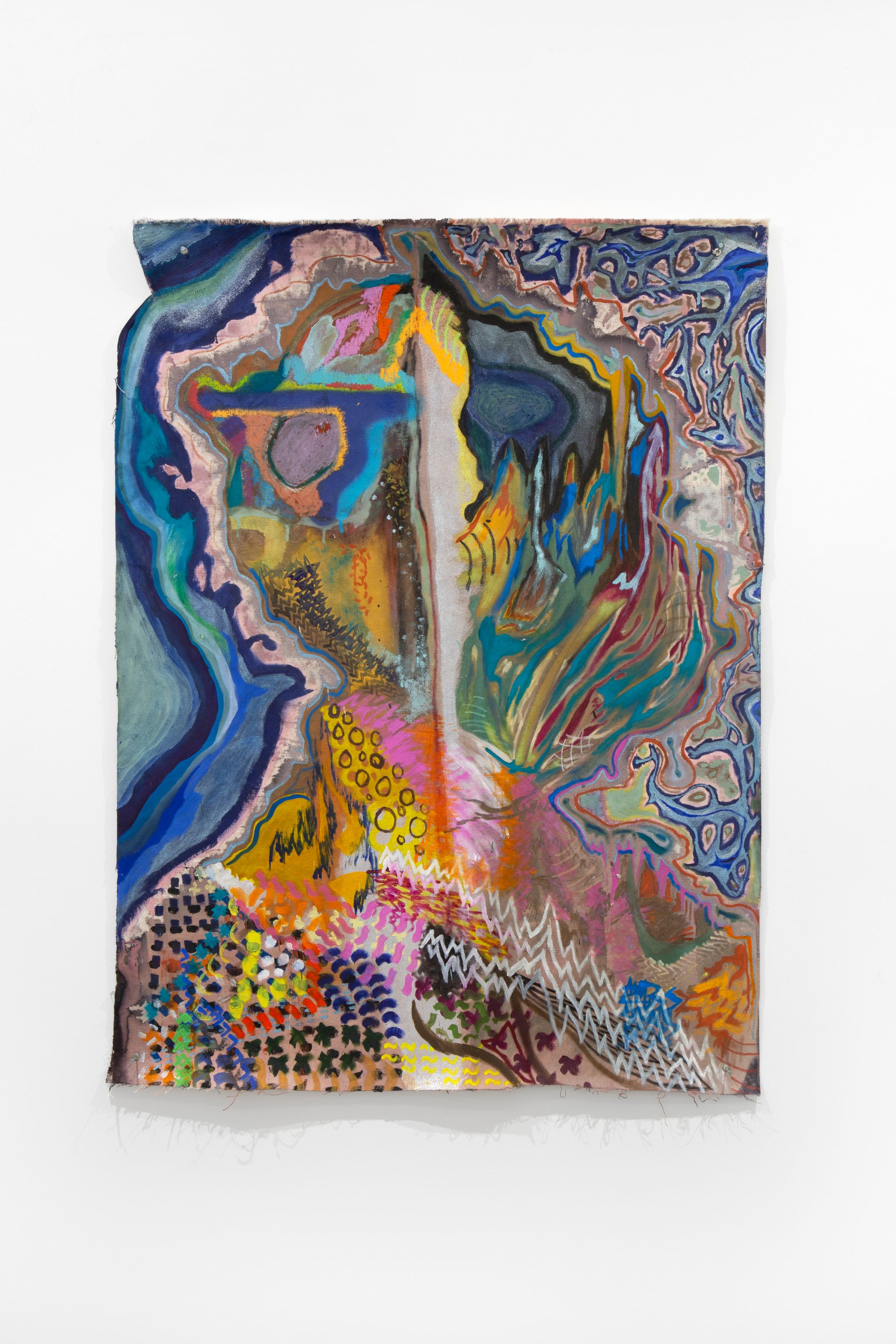
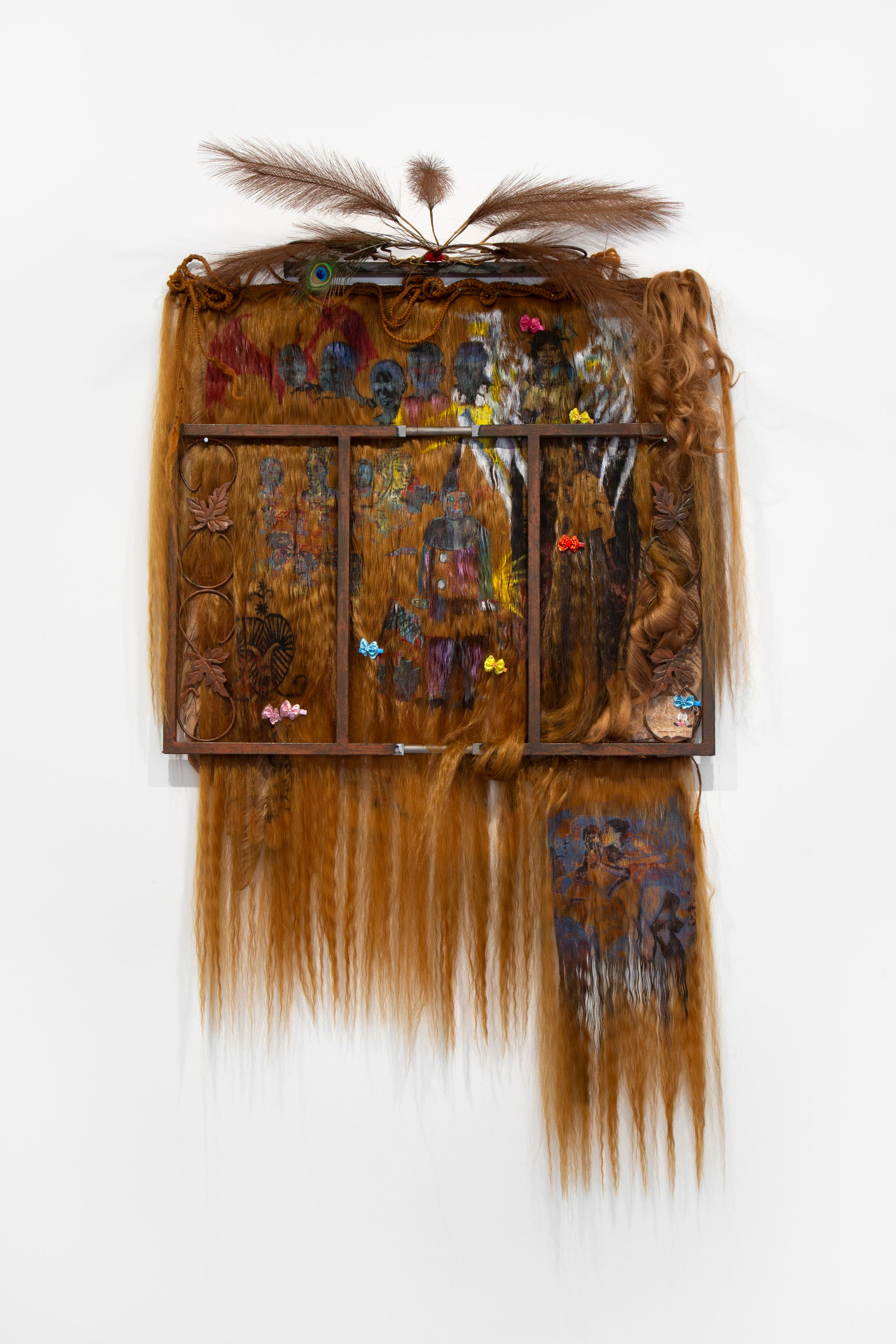
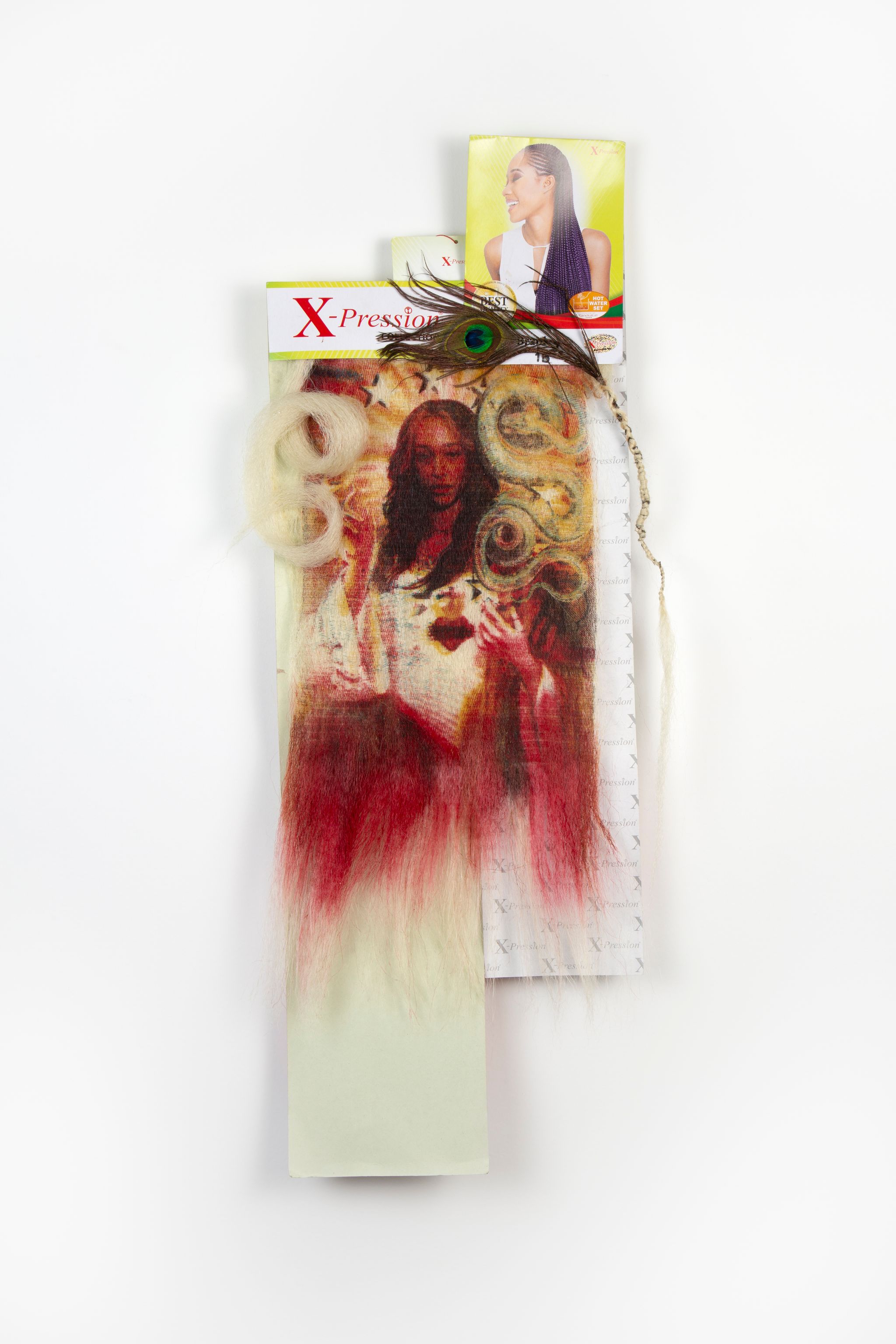
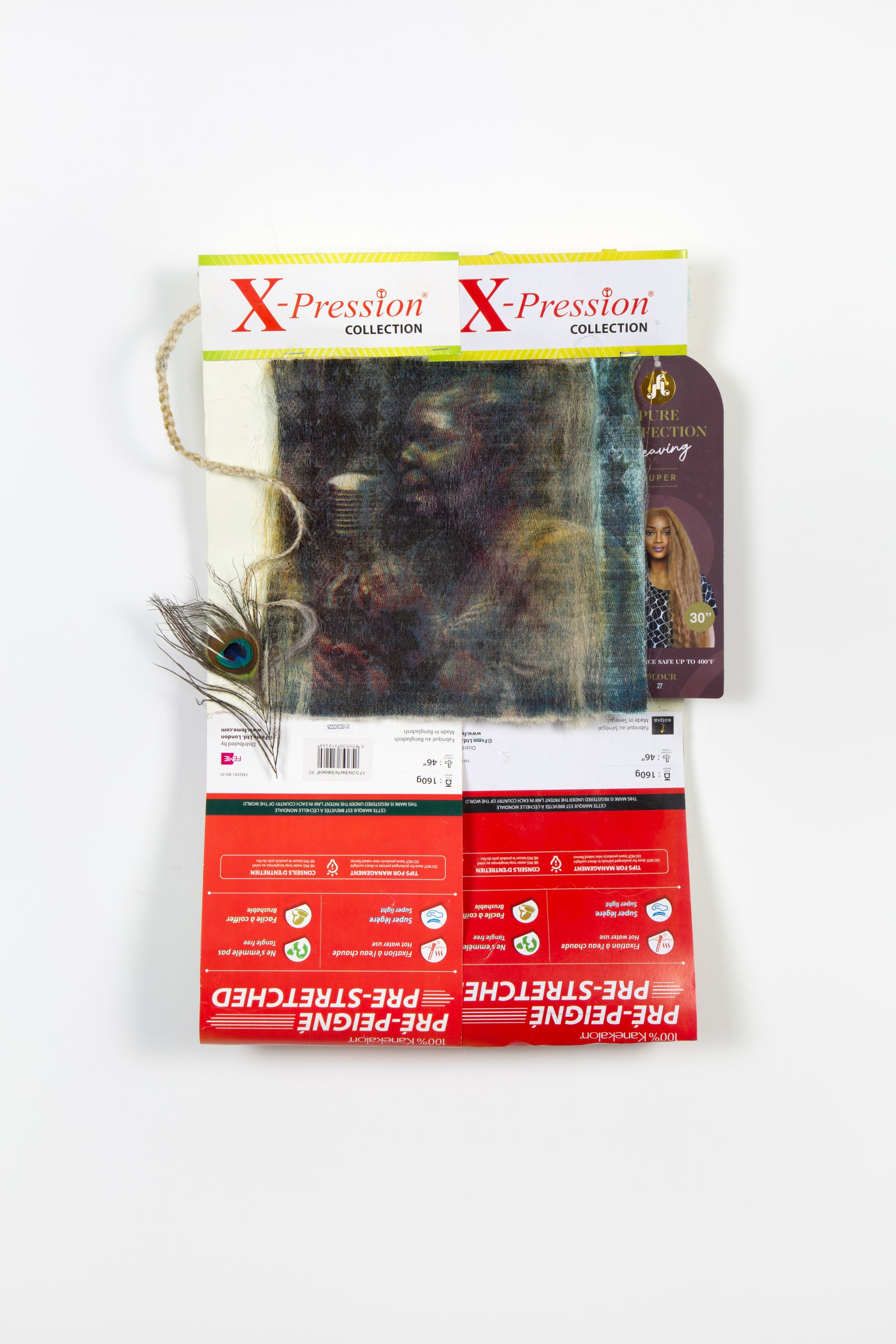
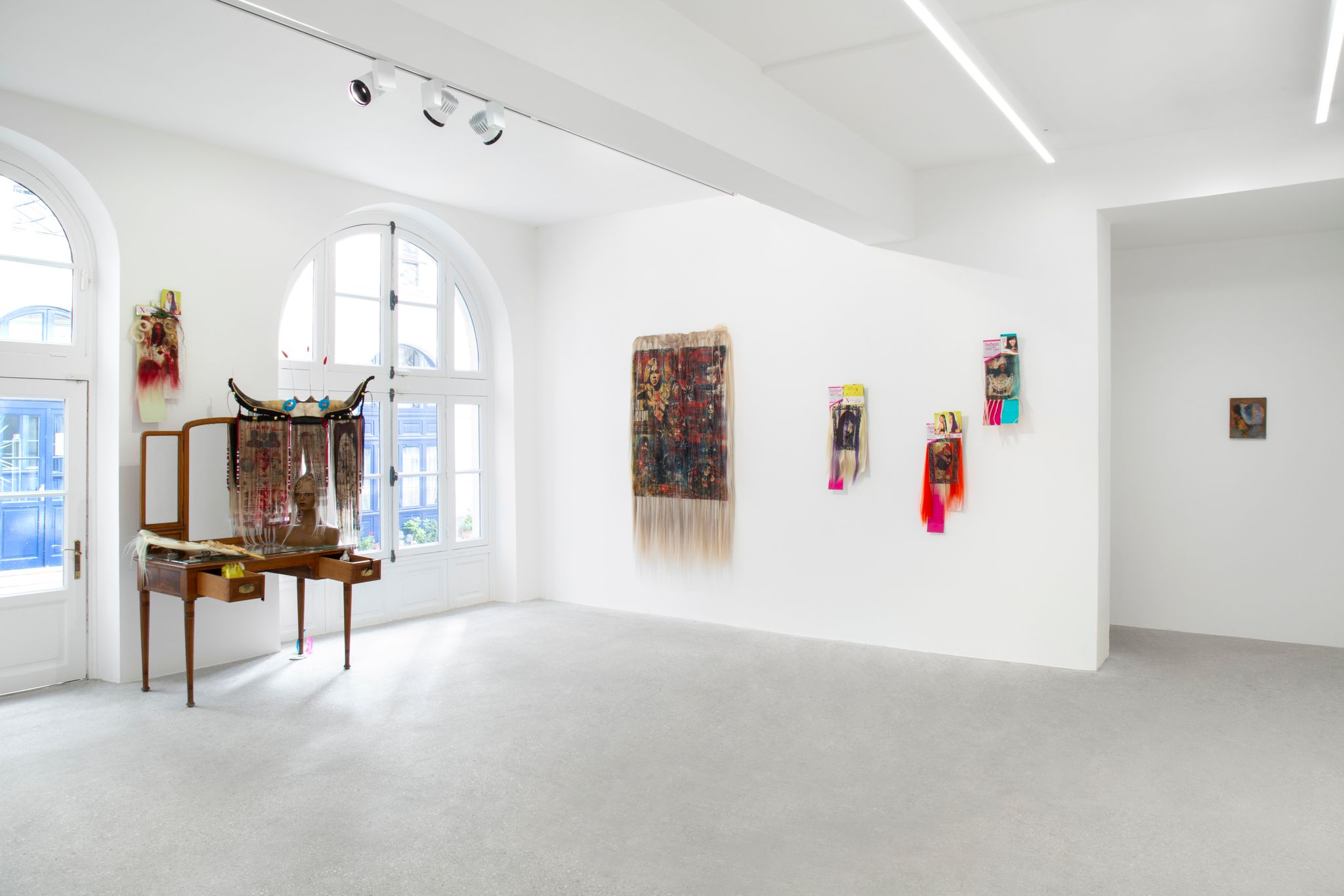
With Cléopatra Gones, it's another story of bodies that are drawn starting with the hair, a characteristic of femininity and beauty understood as a strategy for both integration and resistance by black women and queer bodies. The hair extensions are used as support for a history of segregation, mysoginoir (misogyny and black) and imaginaries.
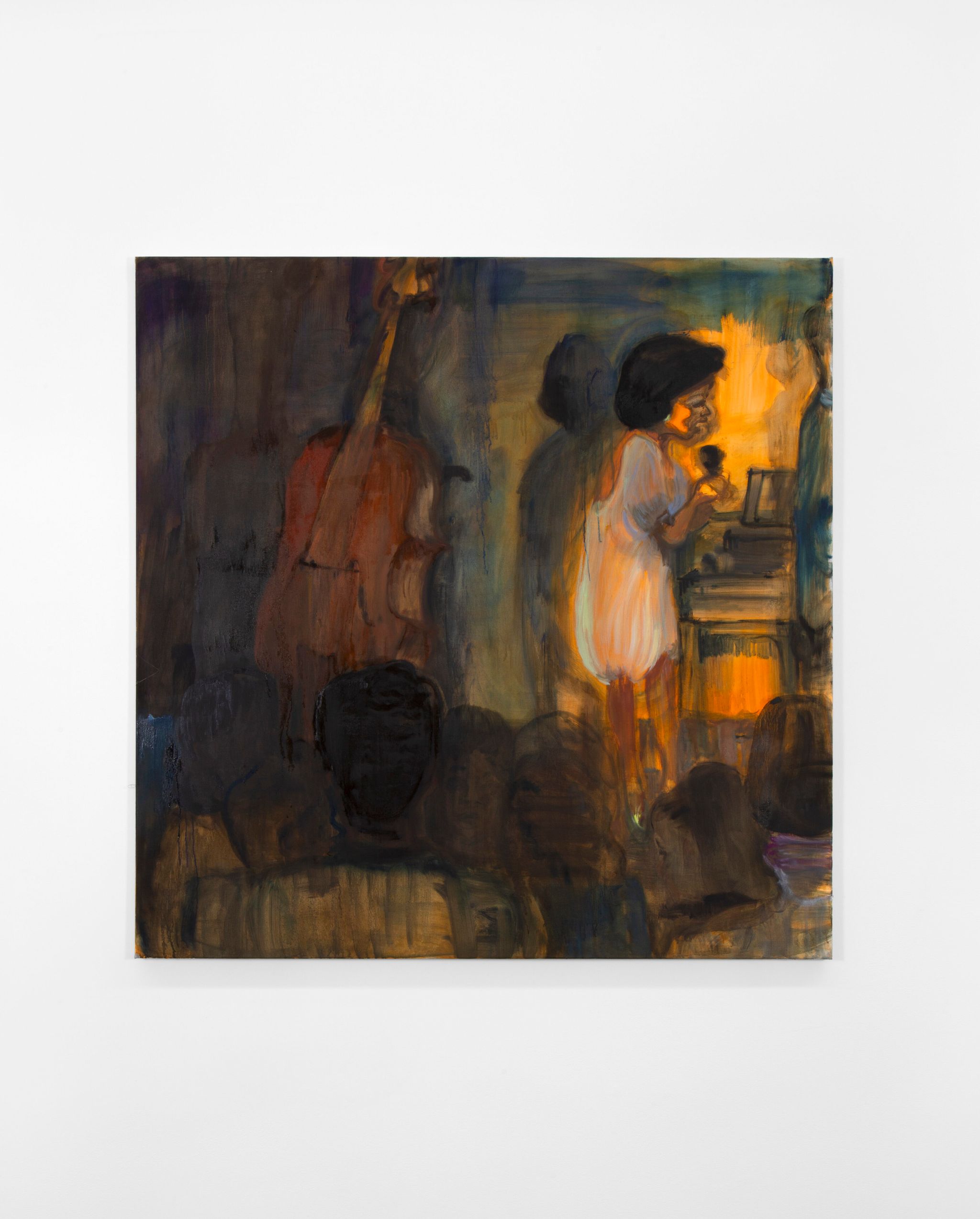
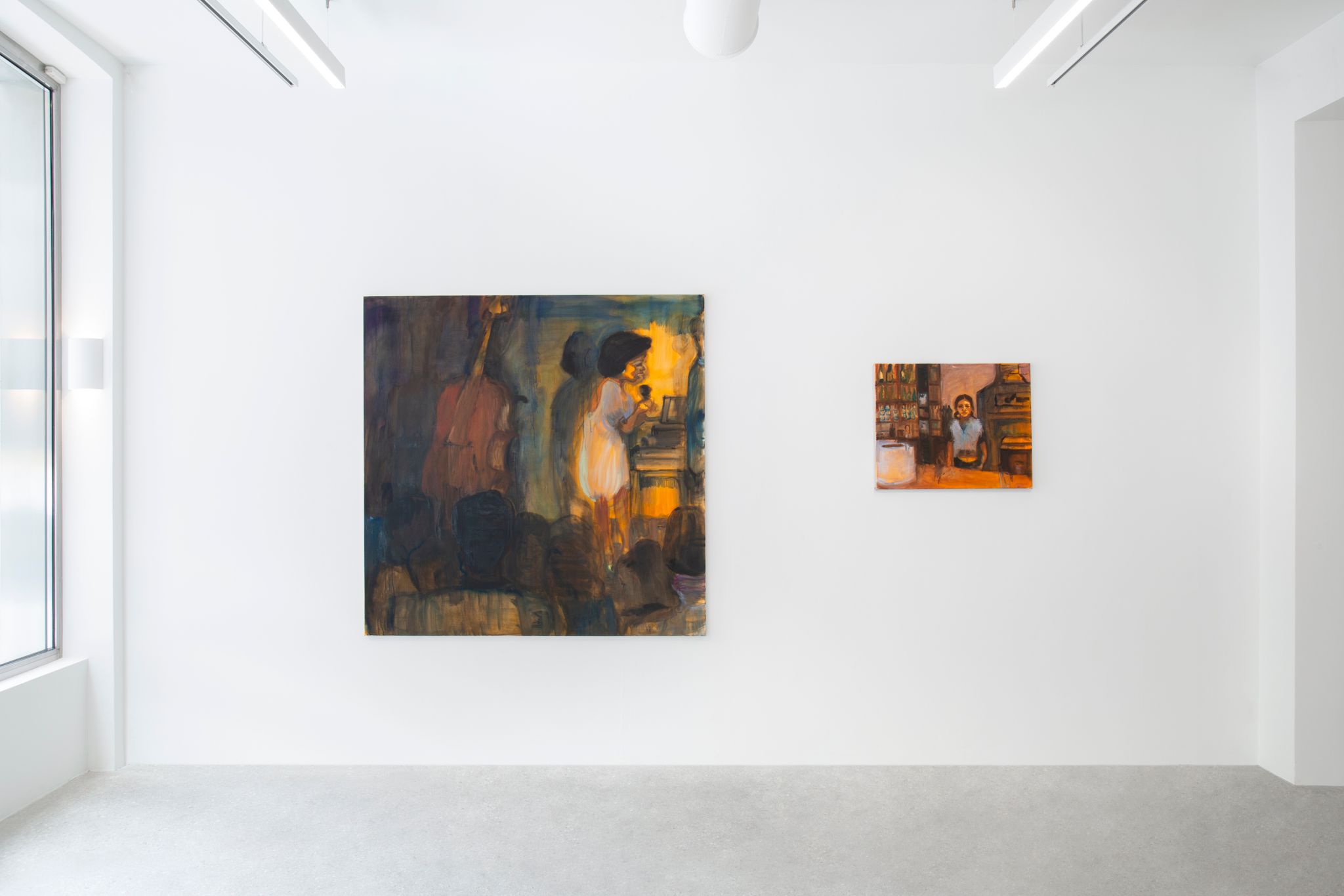
Mariama Conteh combines archives of her family, originally from Sierra Leone, with the music of Afro-descendant artists to retrace alternative and personal narratives. Looking at her paintings, we can't say if she invokes a past or a contemporary history.
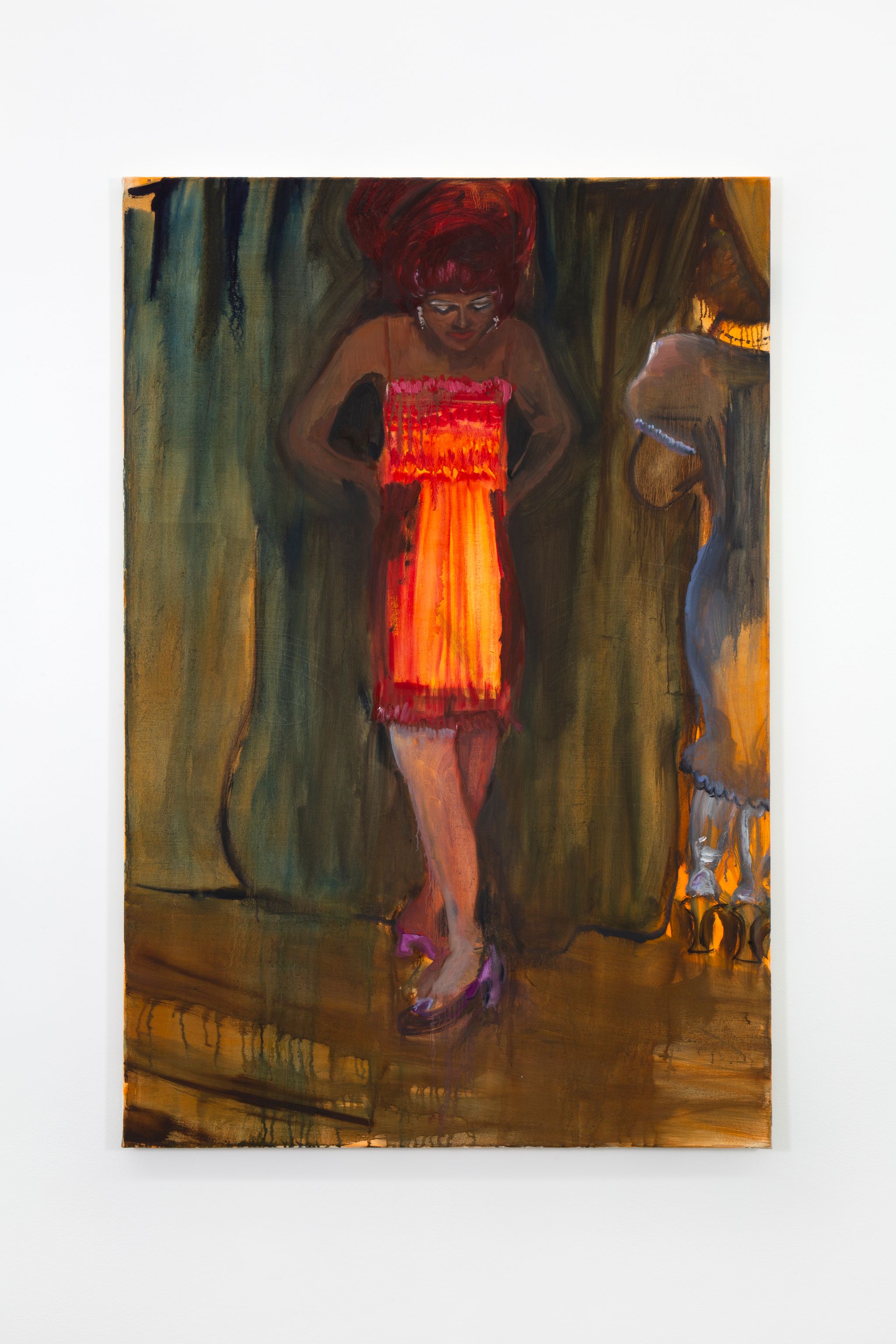
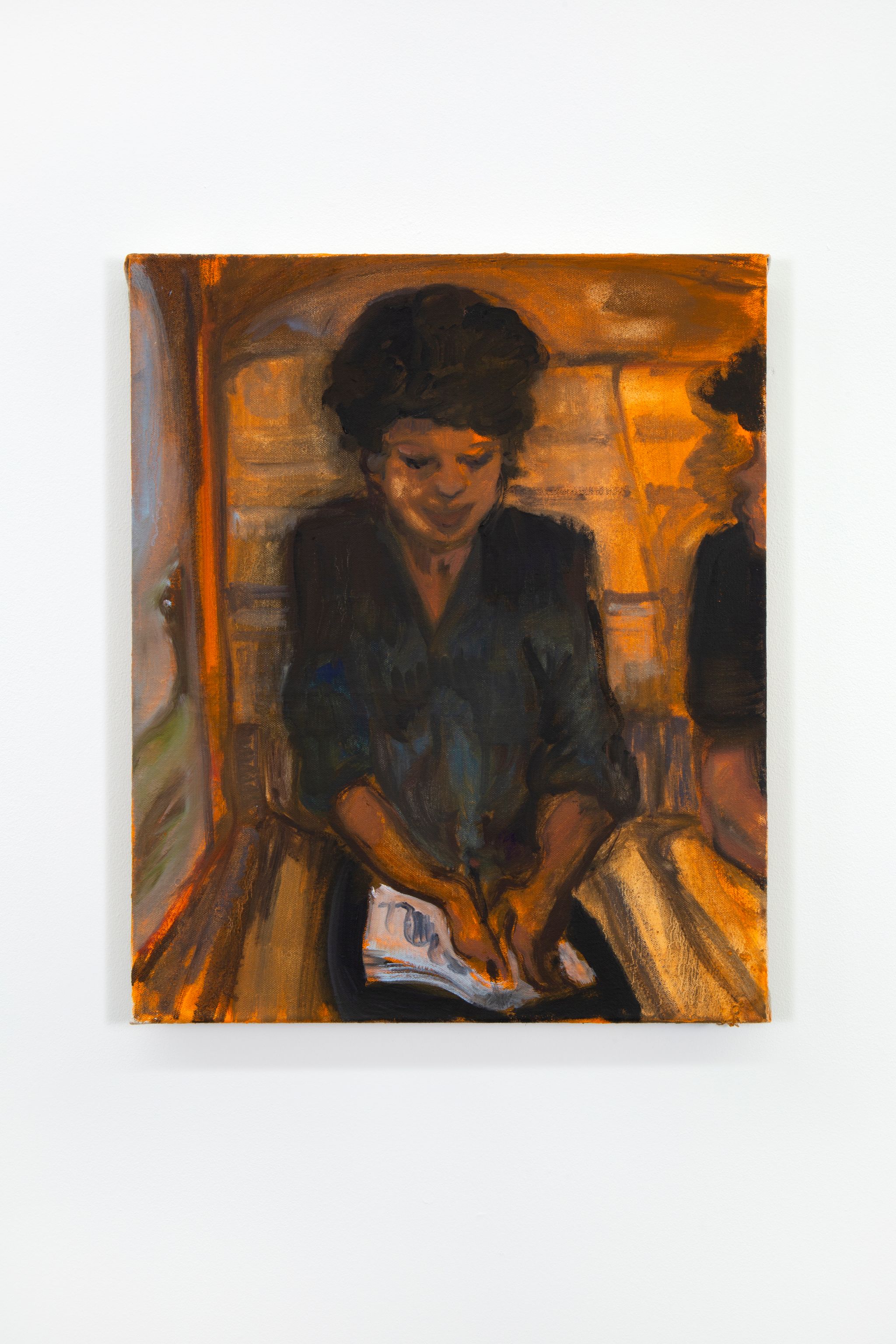
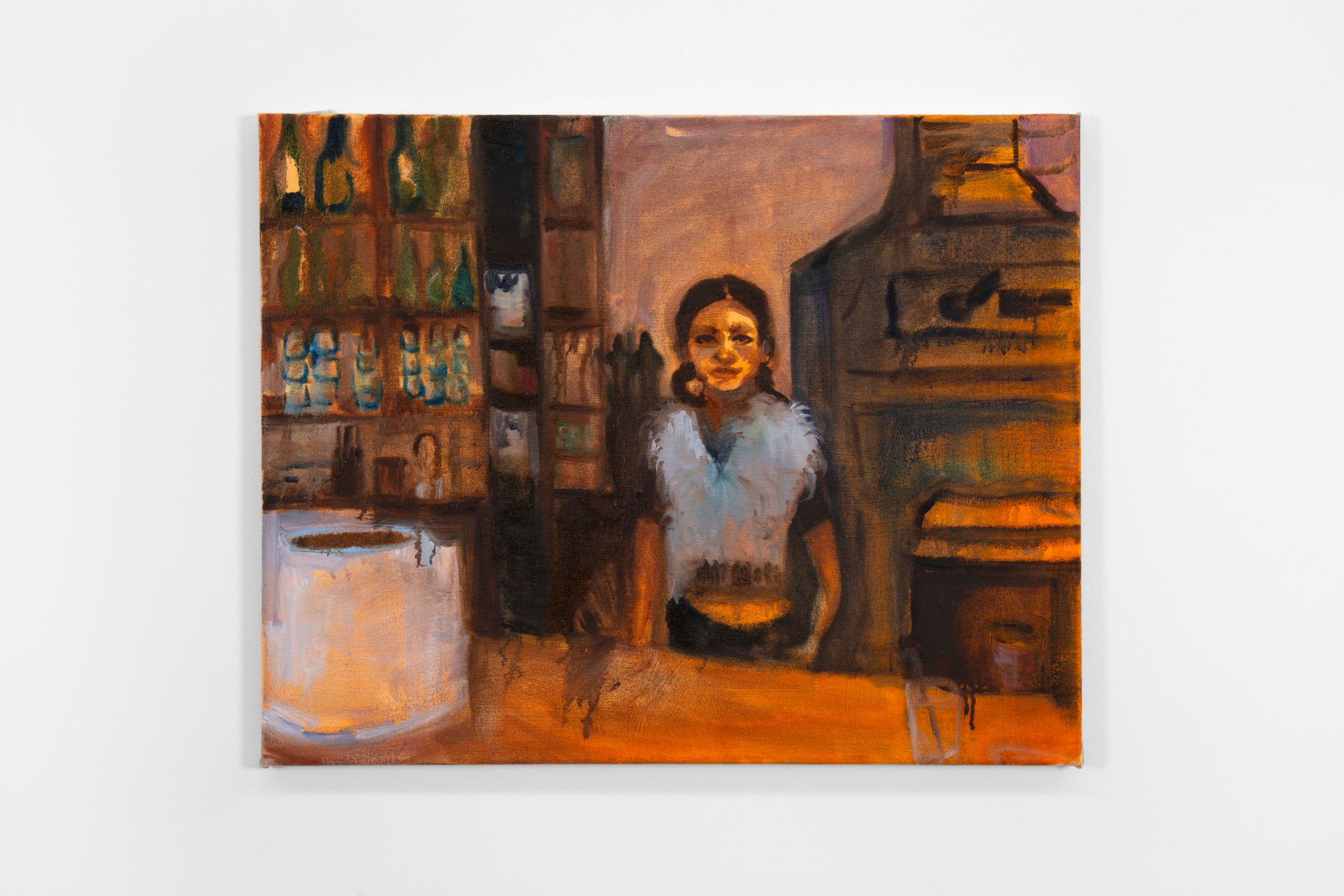
Sila Candansayar's sculptures unfold in space, both organic and biomorphic, evoking a presence without ever representing it.
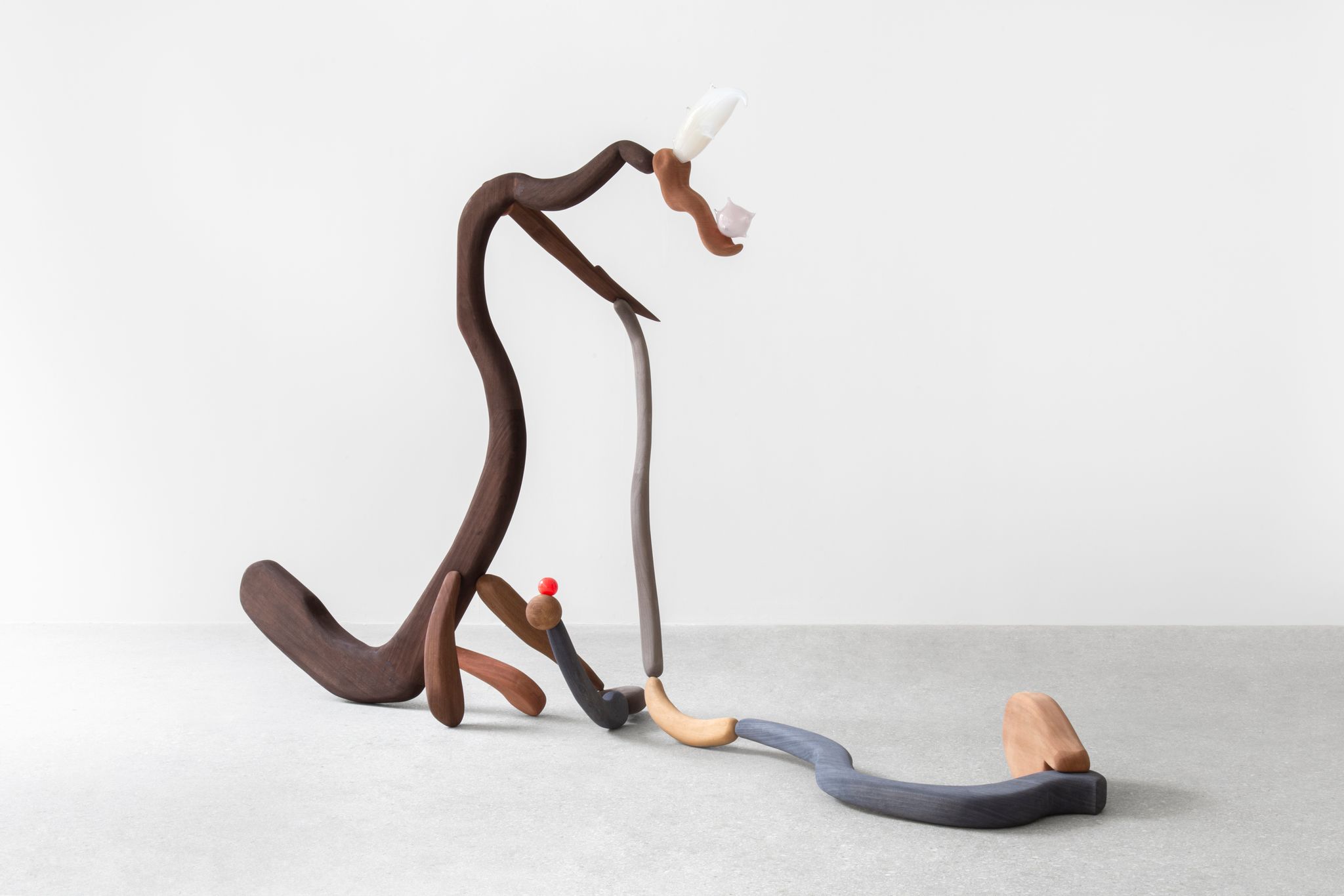
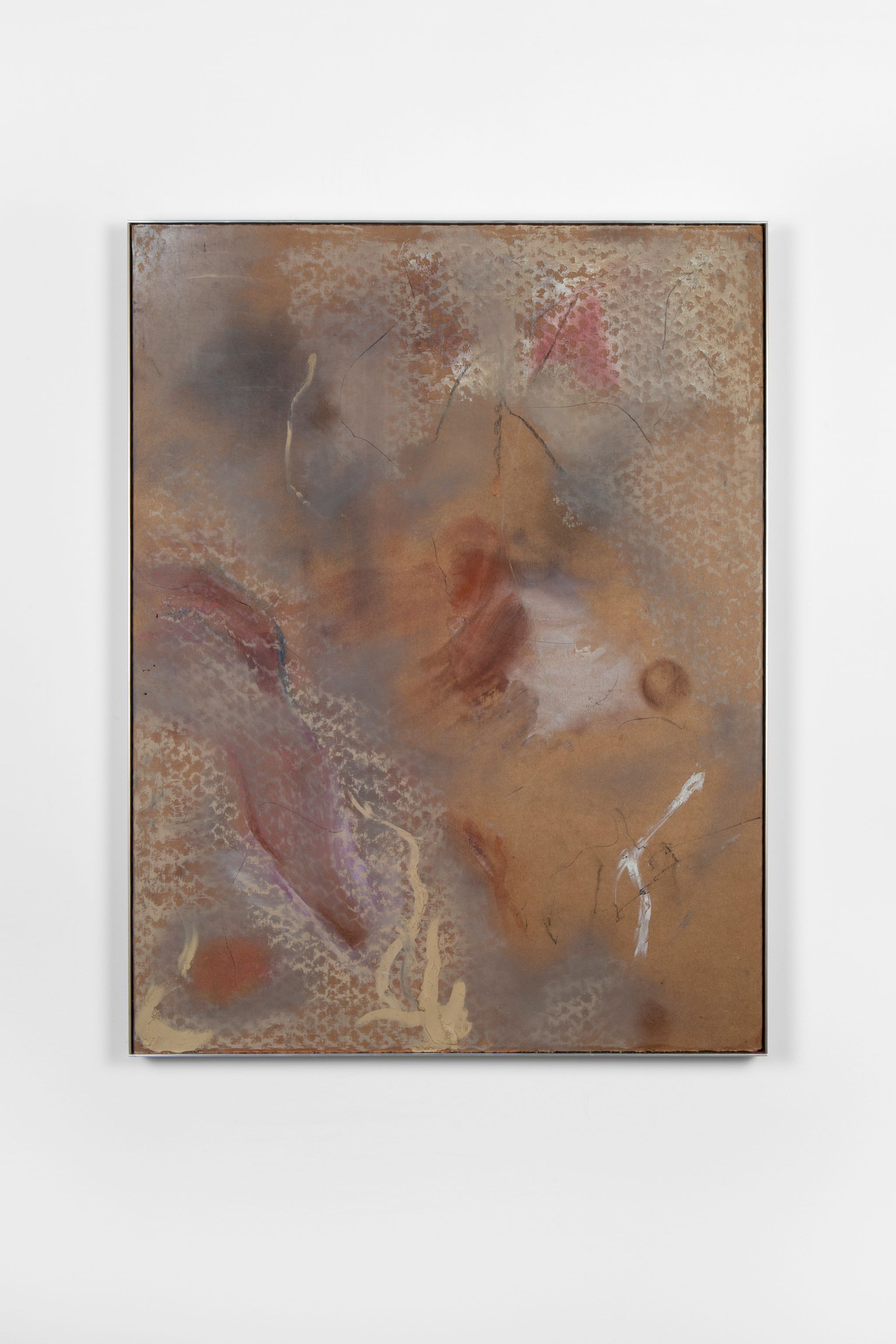
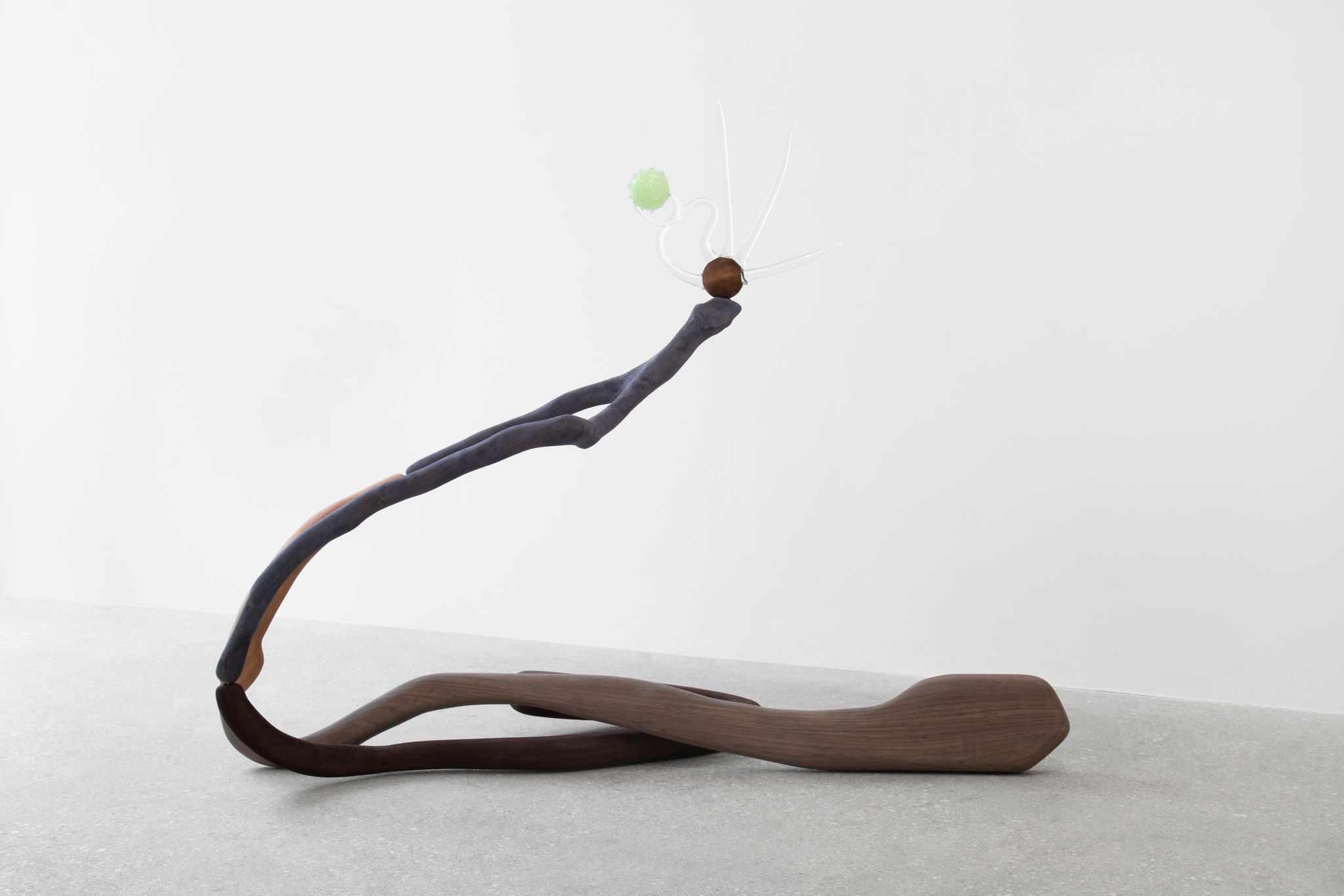
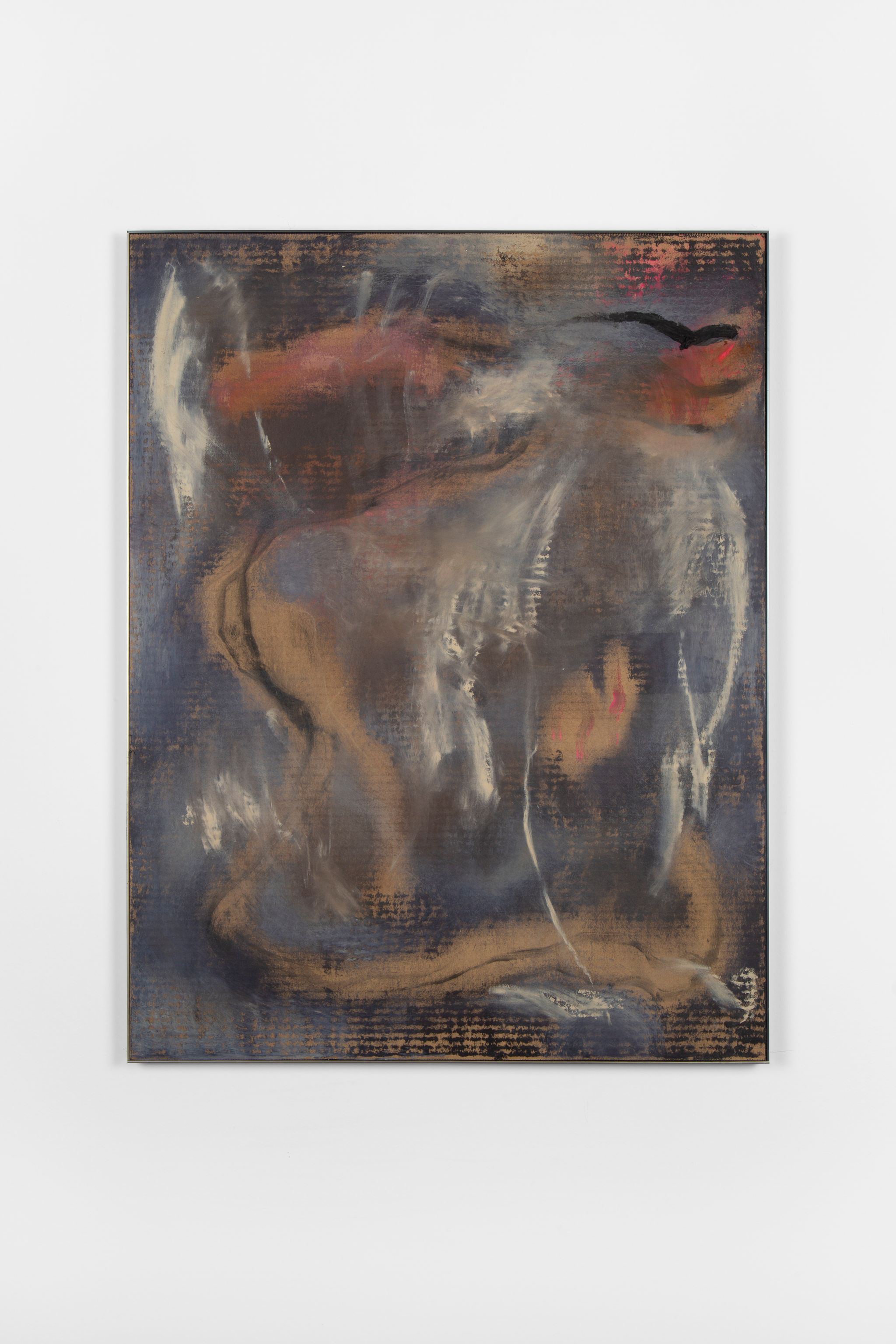
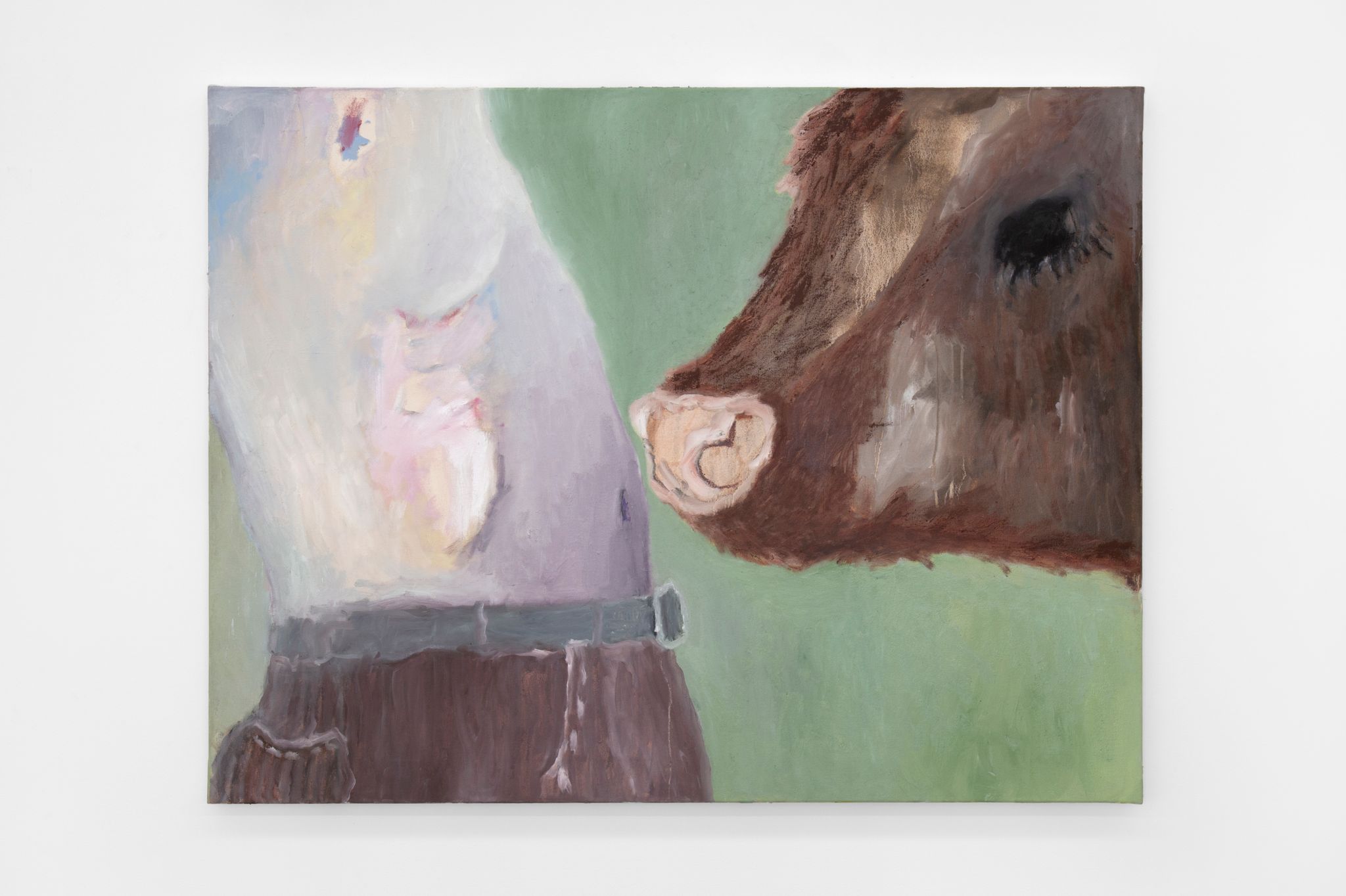
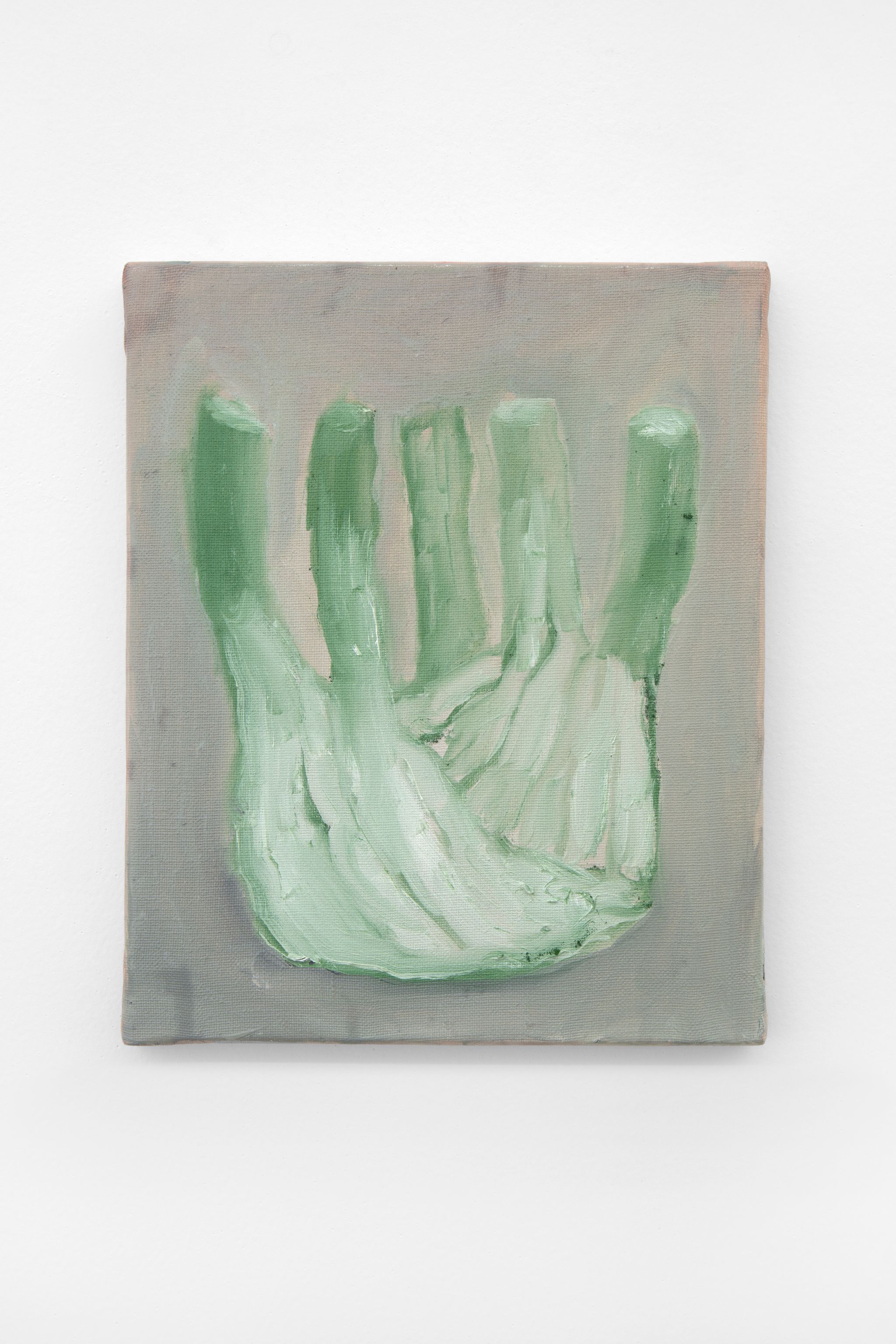
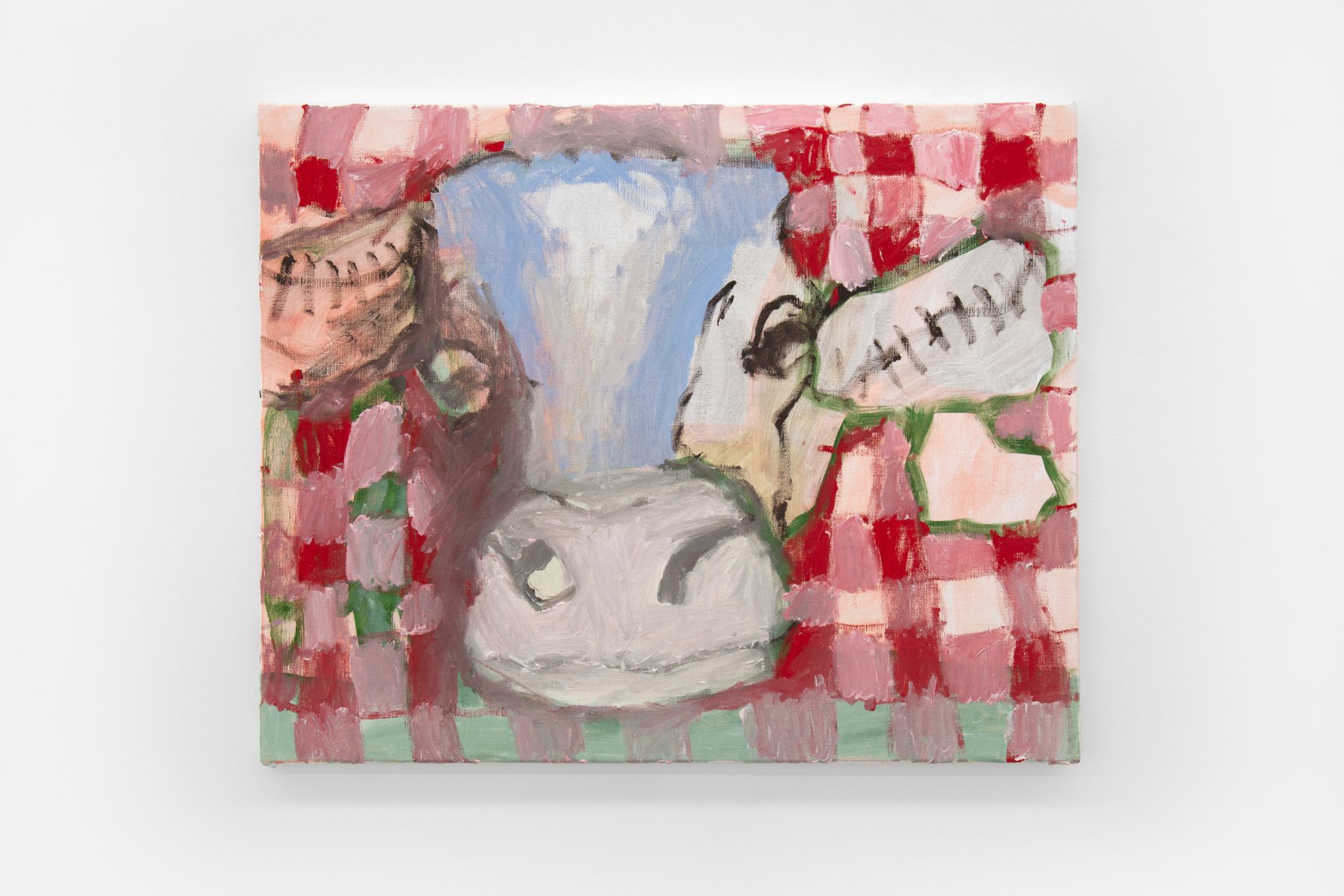
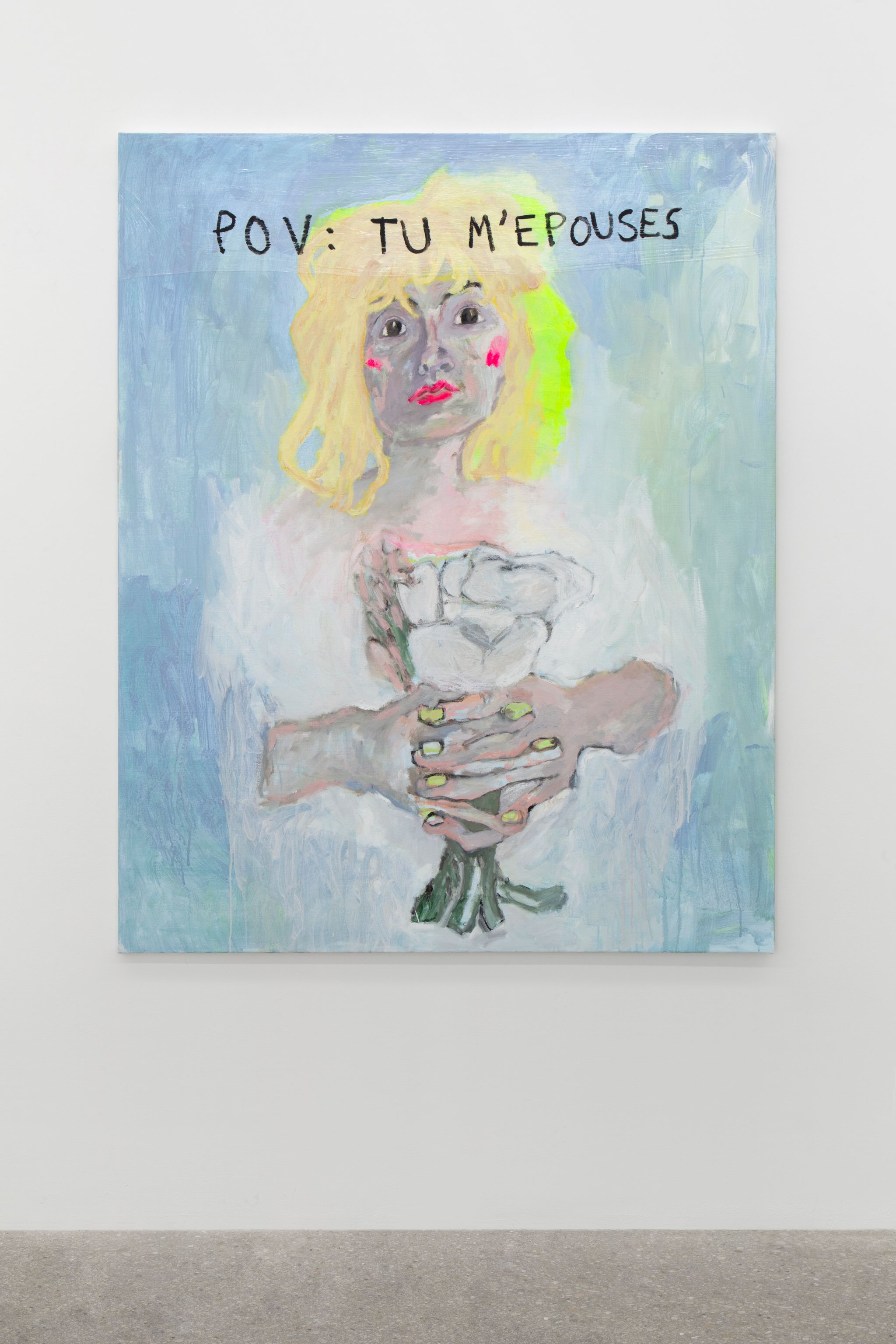
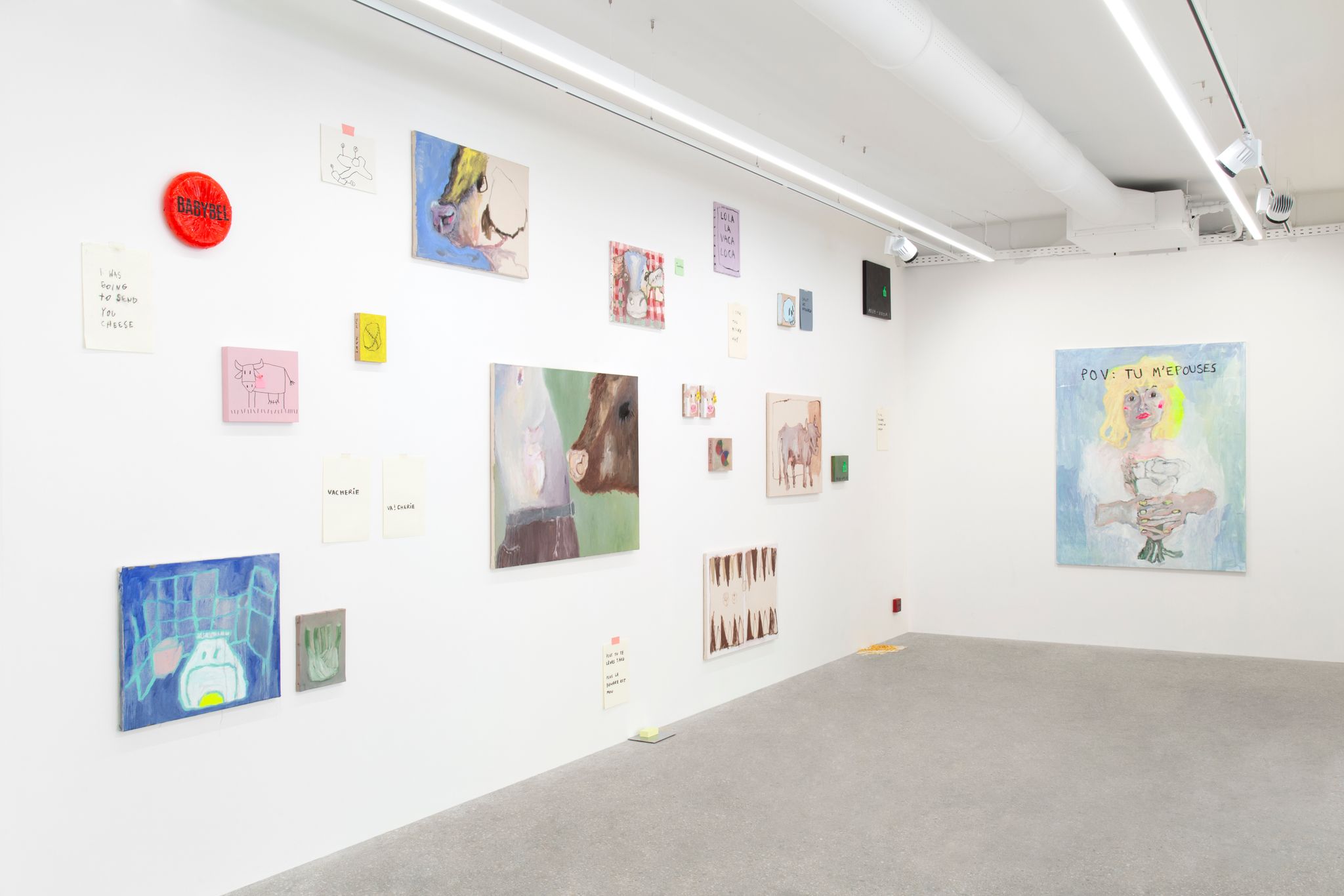
And finally Apolline Regent brings humour and derision to a painting medium that took itself too seriously. Playing with the language and popular imagination of her mad cows, she passes on a critique pretending not to be, and questions us. how many balls will it take?
—Christian Alandete
Featured Artists
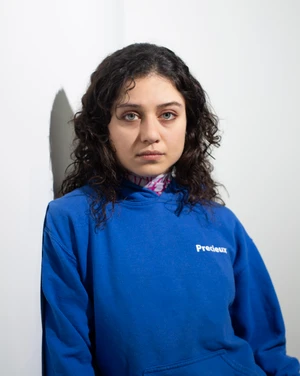
Sila Candansayar
Born in 1997 in Ankara, Turkey
Lives and works in Paris, France
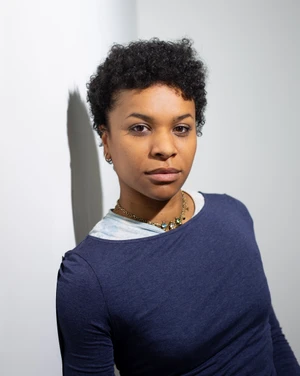
Mariama Conteh
Born in 1998 in Paris, France
Lives and works in Paris, France
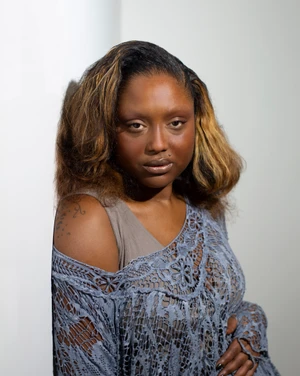
Cléopatra Gones
Born in 1999 in Amadora, Portugal
Lives and works in Paris, France

Anna Kereszty
Born in 1997 in Budapest, Hungary
Lives and works in Paris, France
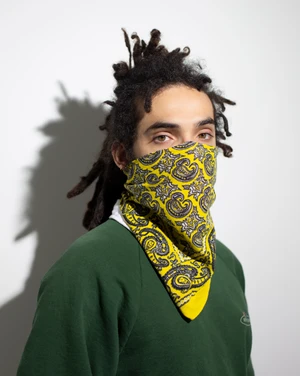
papiyon
Born in 1999 in Cayenne, French Guiana
Lives and works in Paris, France
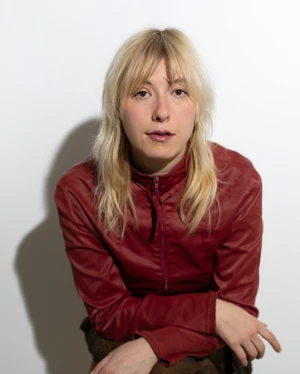
Apolline Regent
Born in 2001 in Paris, France
Lives and works in Paris, France