L’insaisissable nature du réel
Curated by Christian Alandete
Oct 19 - Nov 28, 2026
Mennour, 26 avenue Matignon
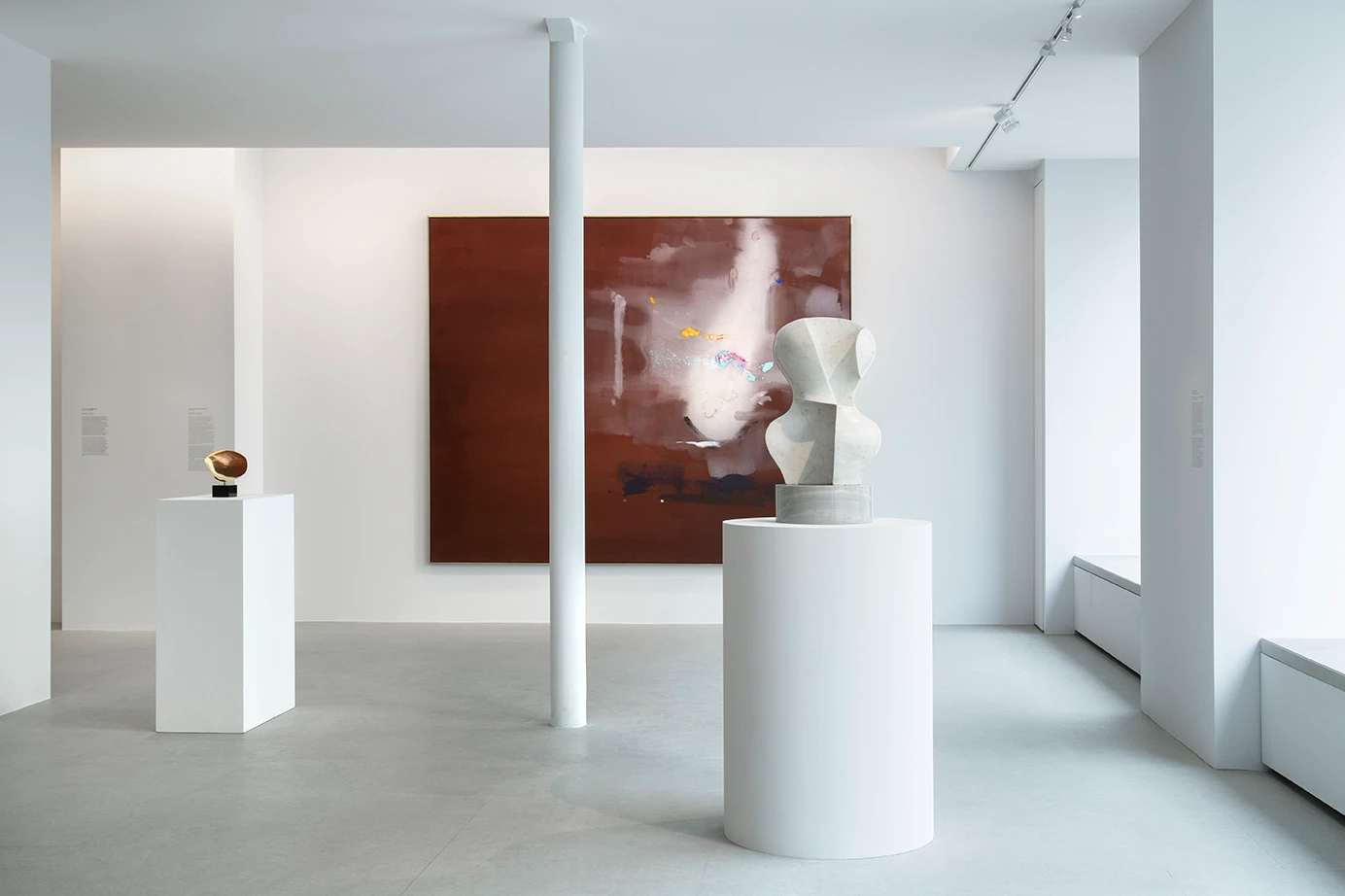
JEAN ARP · CONSTANTIN BRANCUSI · ALBERTO BURRI · LUCIO FONTANA · SAM FRANCIS · HELEN FRANKENTHALER · ALBERTO GIACOMETTI · YVES KLEIN · LEE UFAN · JOAN MIRÓ · LOUISE NEVELSON · JUDIT REIGL · GERMAINE RICHIER · GÜNTHER UECKER · MARIA HELENA VIEIRA DA SILVA · MANOUCHER YEKTAI
The ungraspable nature of reality relates to a simple but staggering idea: what we call ‘reality’ never lets itself be totally grasped. As soon as we think we understand it, it shifts, transforms, evades us. Reality is not a stable set of forms and certainties, but a living, fragmentary, at times inconsistent experience, of which we only ever perceive a fraction.
Reality escapes our senses as much as our understanding. Our gaze selects, our memory recomposes, our imagination completes. What we perceive of the world is inseparable from our own experience, our body, our moves and the passage of time. Reality is never given as a whole, it is always partially reconstructed.
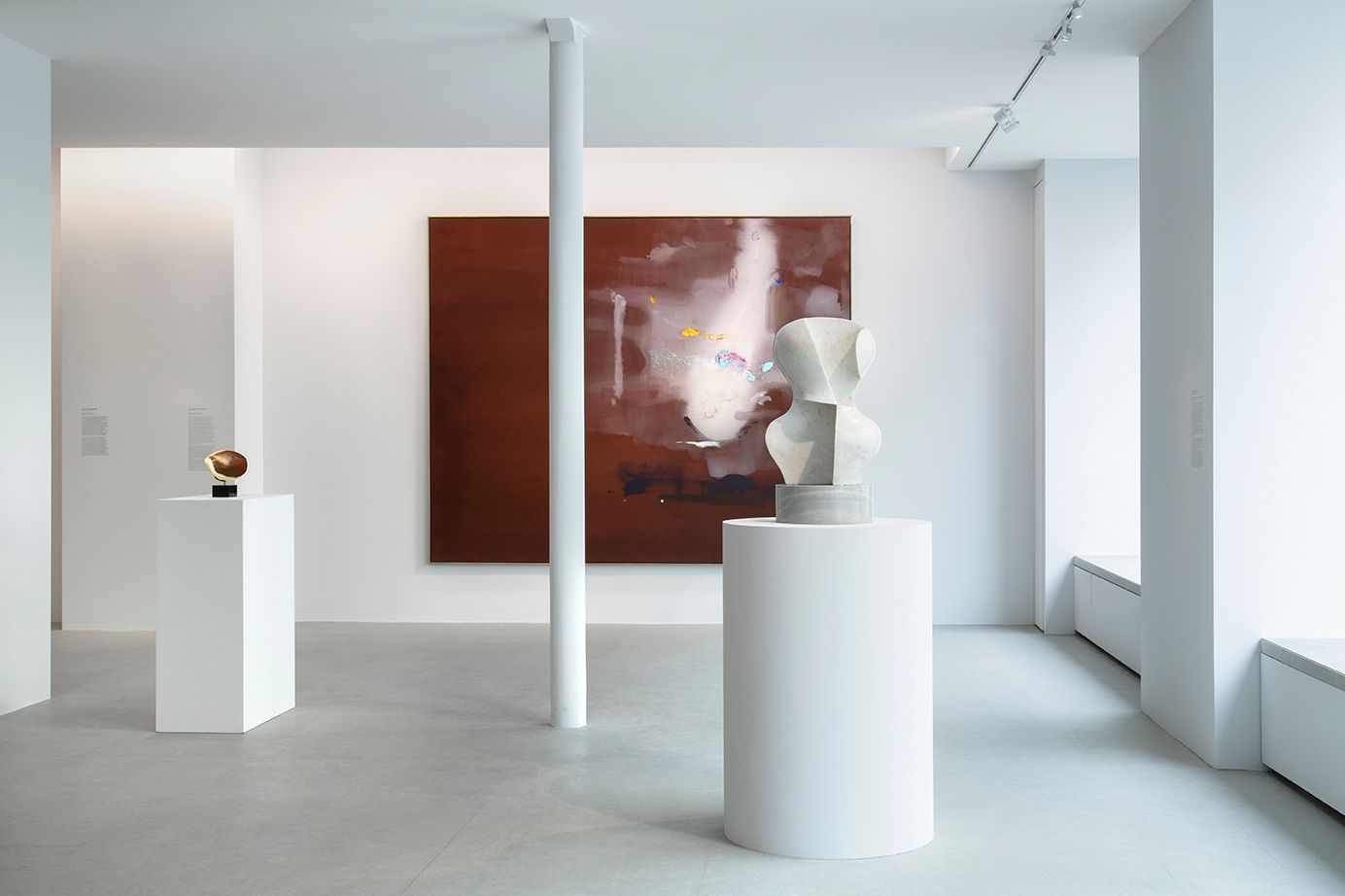
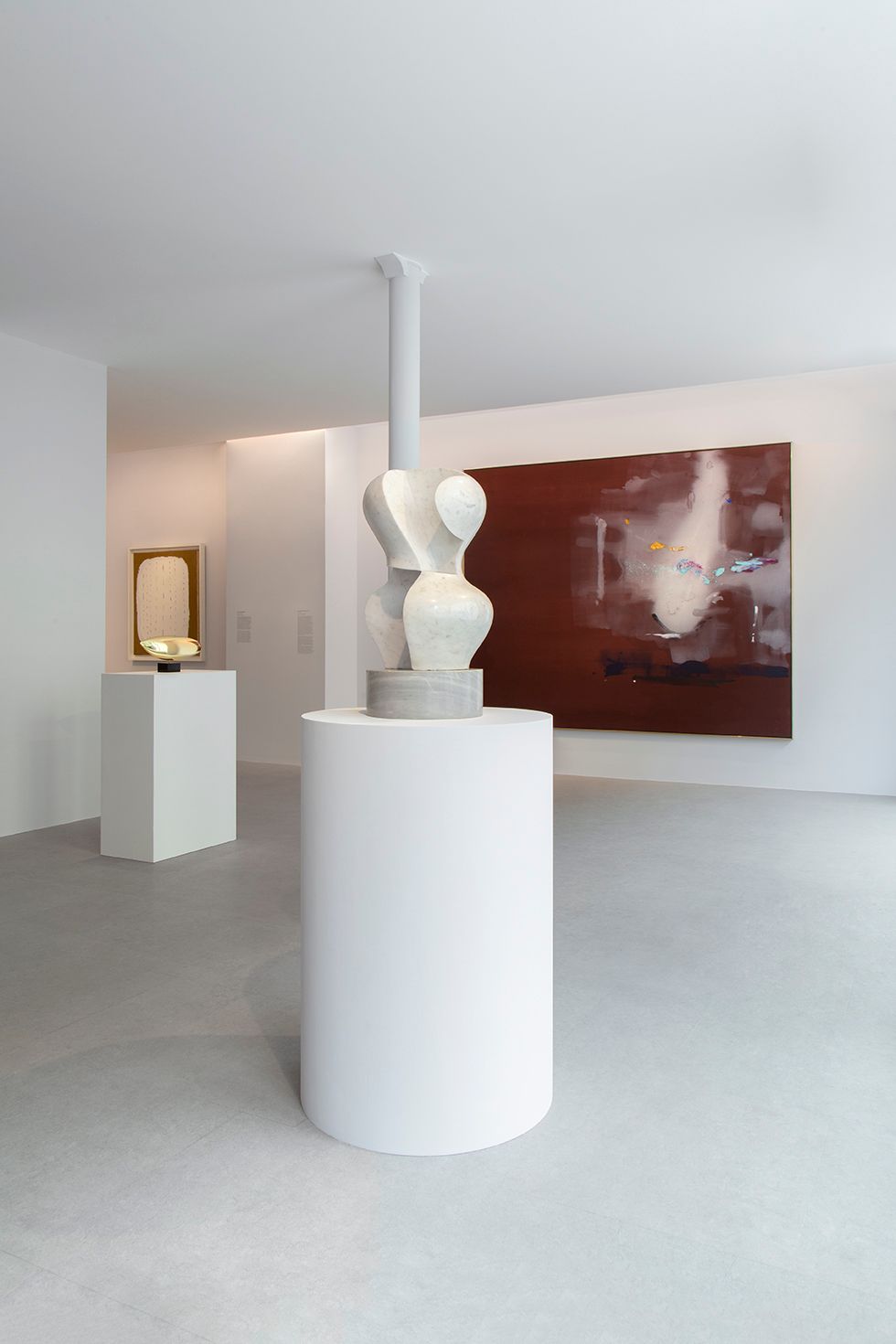
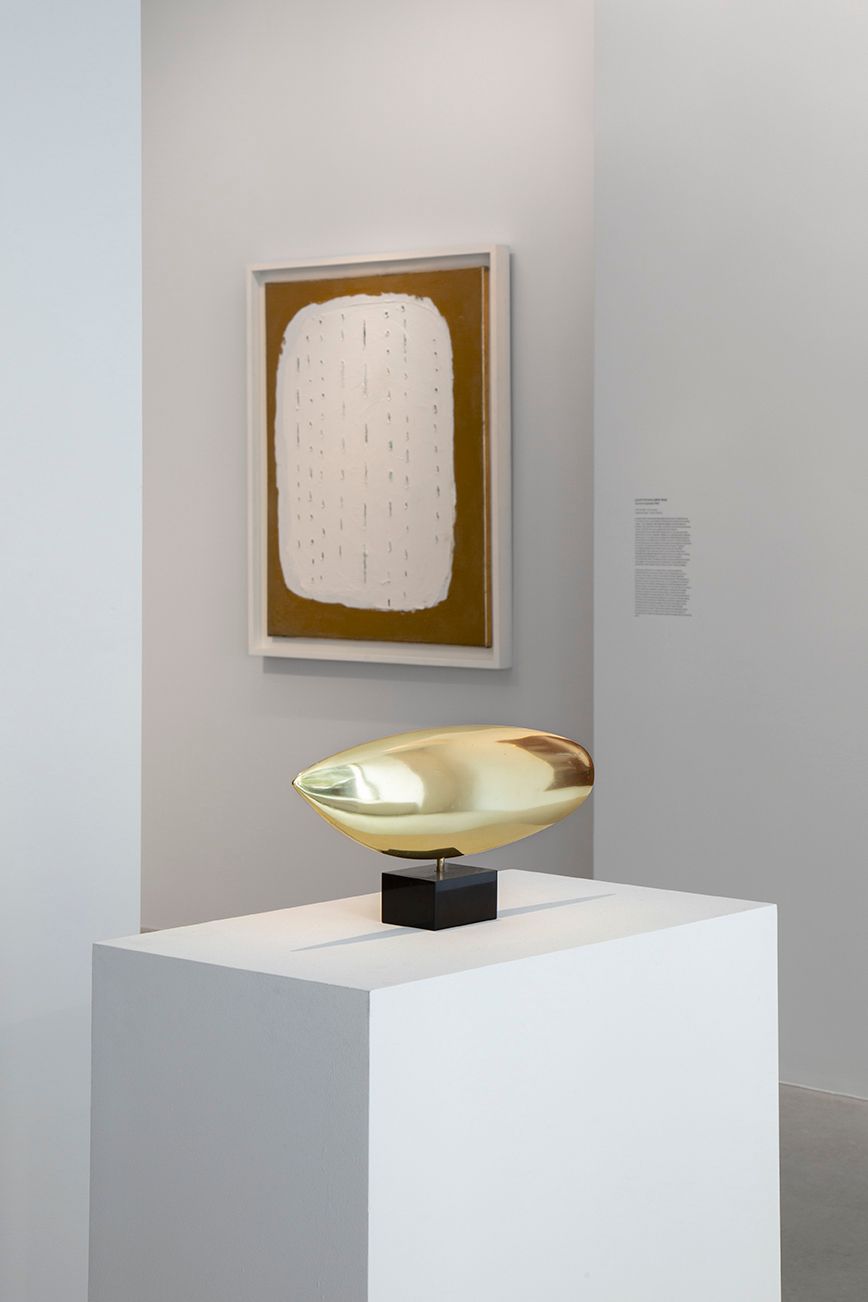
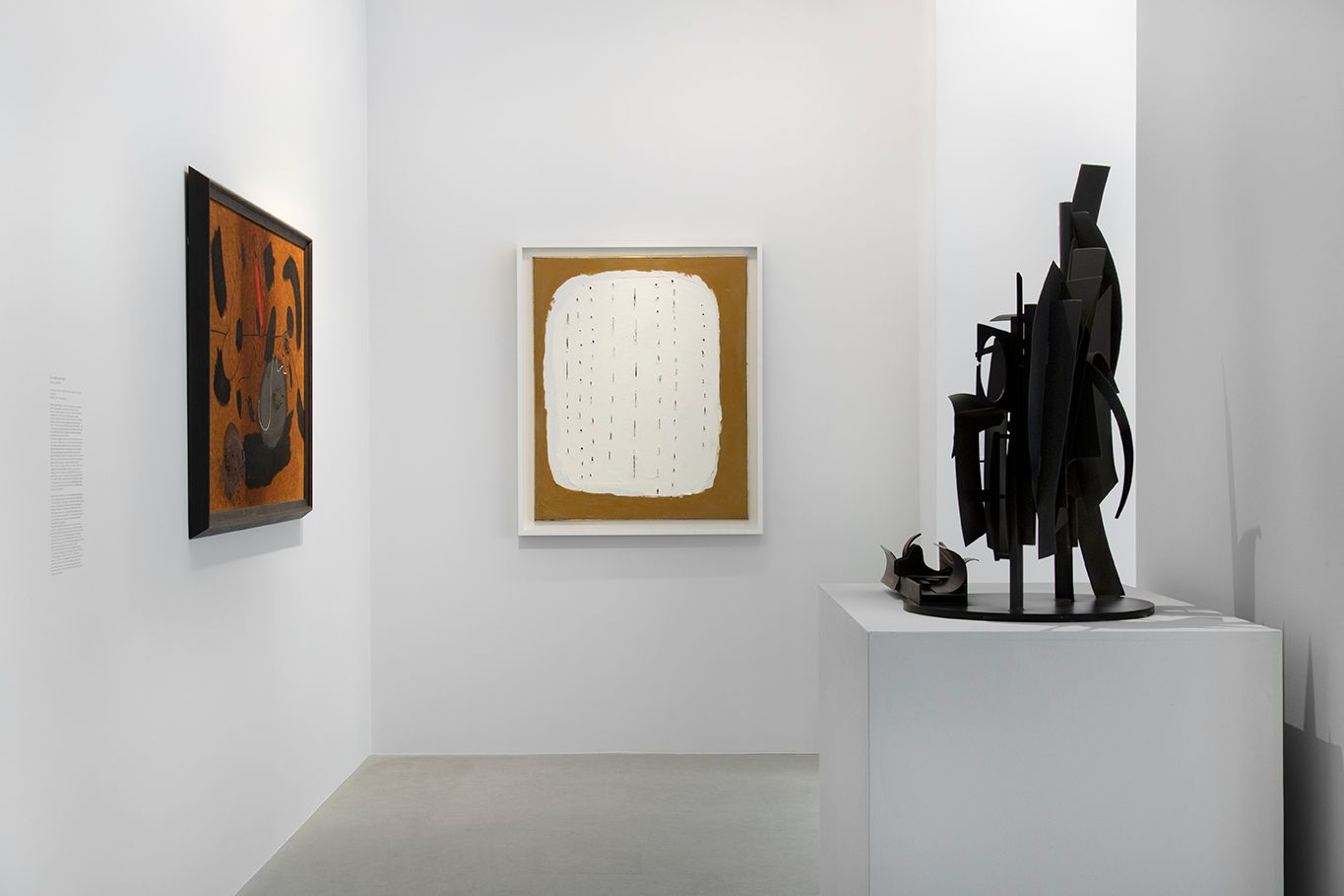
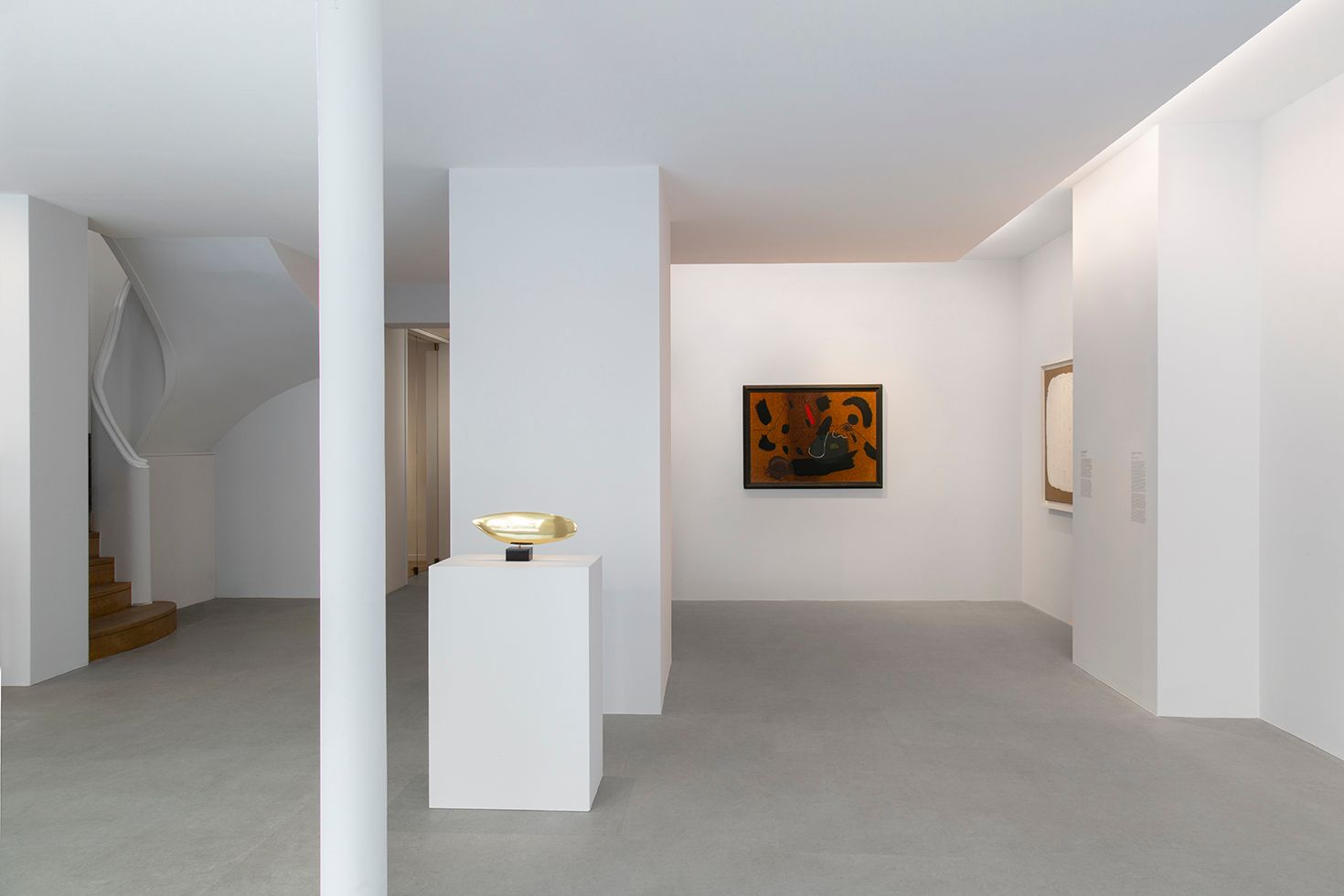
To grasp reality is at the heart of the quest of art practice. Since the avant-garde of the beginning of the 20th century, artists no longer content themselves with reproducing the appearance of the world. They try to reveal its invisible structures, to convey movement, to give shape to what eludes the gaze. Abstraction doesn’t necessarily represent a break from reality, but on the opposite, can be perceived as an attempt to come close to its essence. By freeing themselves from resemblance, artists open new possibilities to make tangible what cannot be directly represented.
In the aftermath of the Second World War, that concern takes on a new and radical dimension. Facing a world whose certainties have been severely shaken, artists question all over again the means of representation. Art is no longer about producing an image of reality but about making the work the place of one’s experience. Painting ceases to be a window opened onto the world to become a space for action, confrontation and transformation. The gesture, the matter, chance, repetition and impression are no longer just means serving the image: they become the manifestations of a reality in the making.
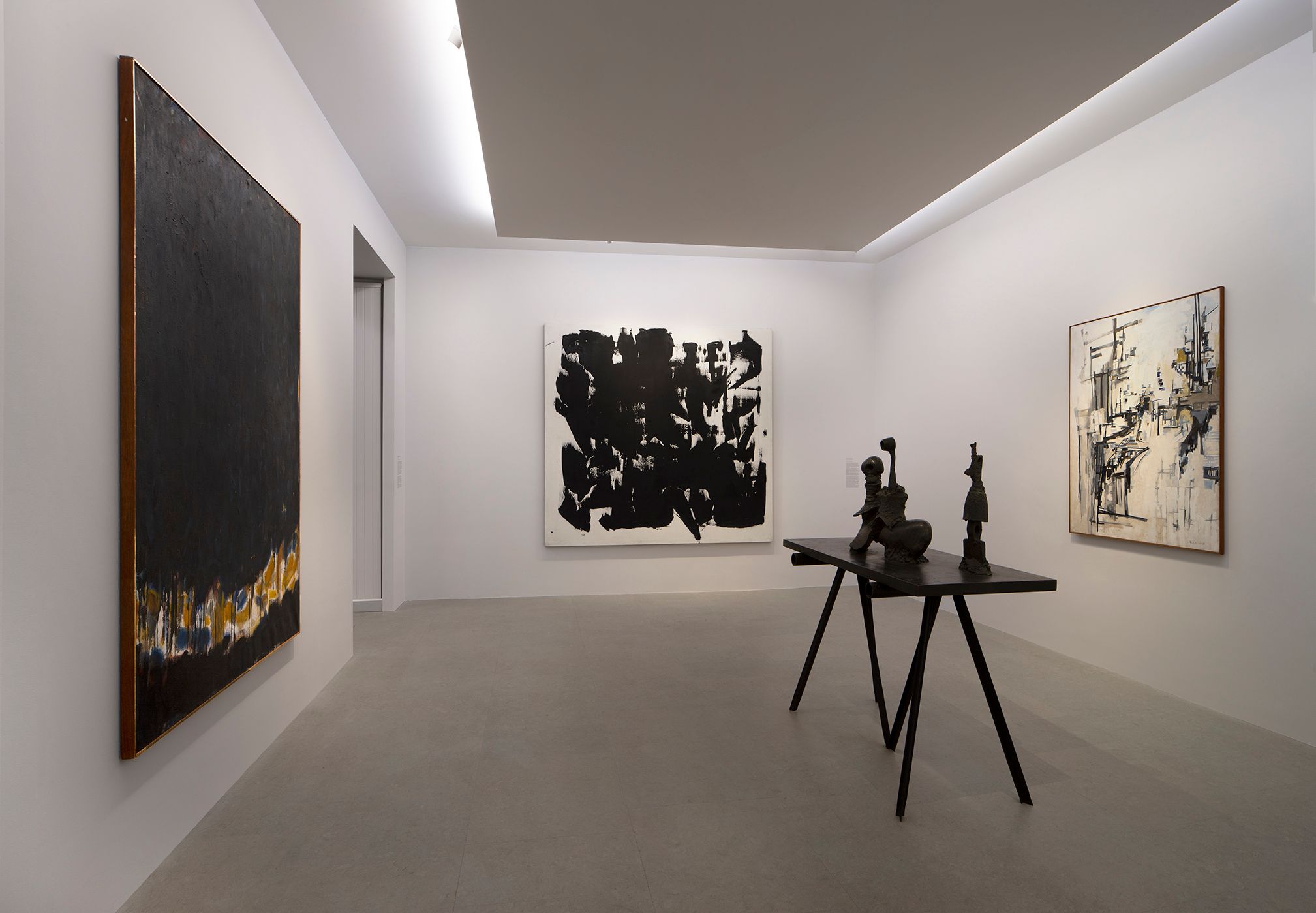
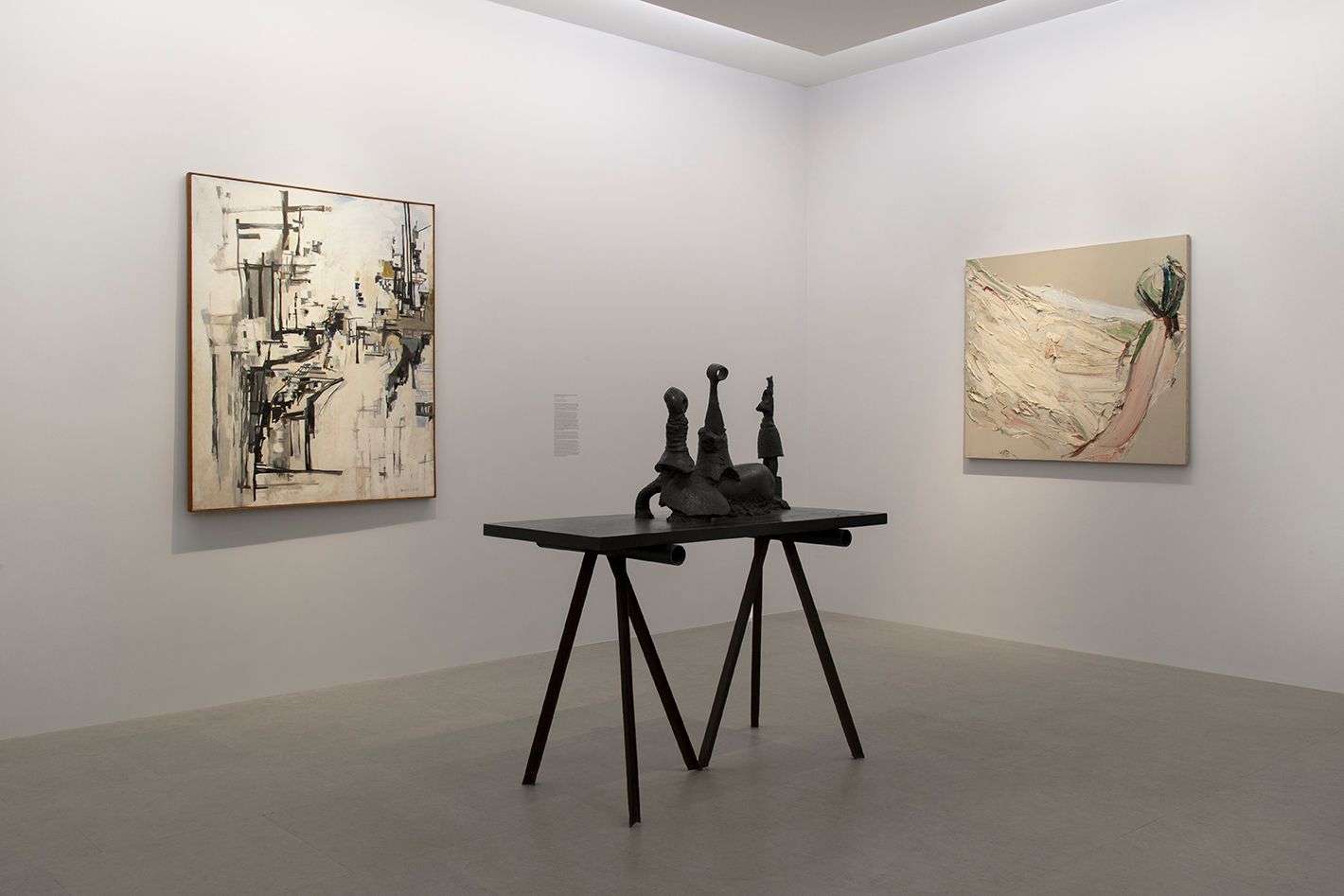
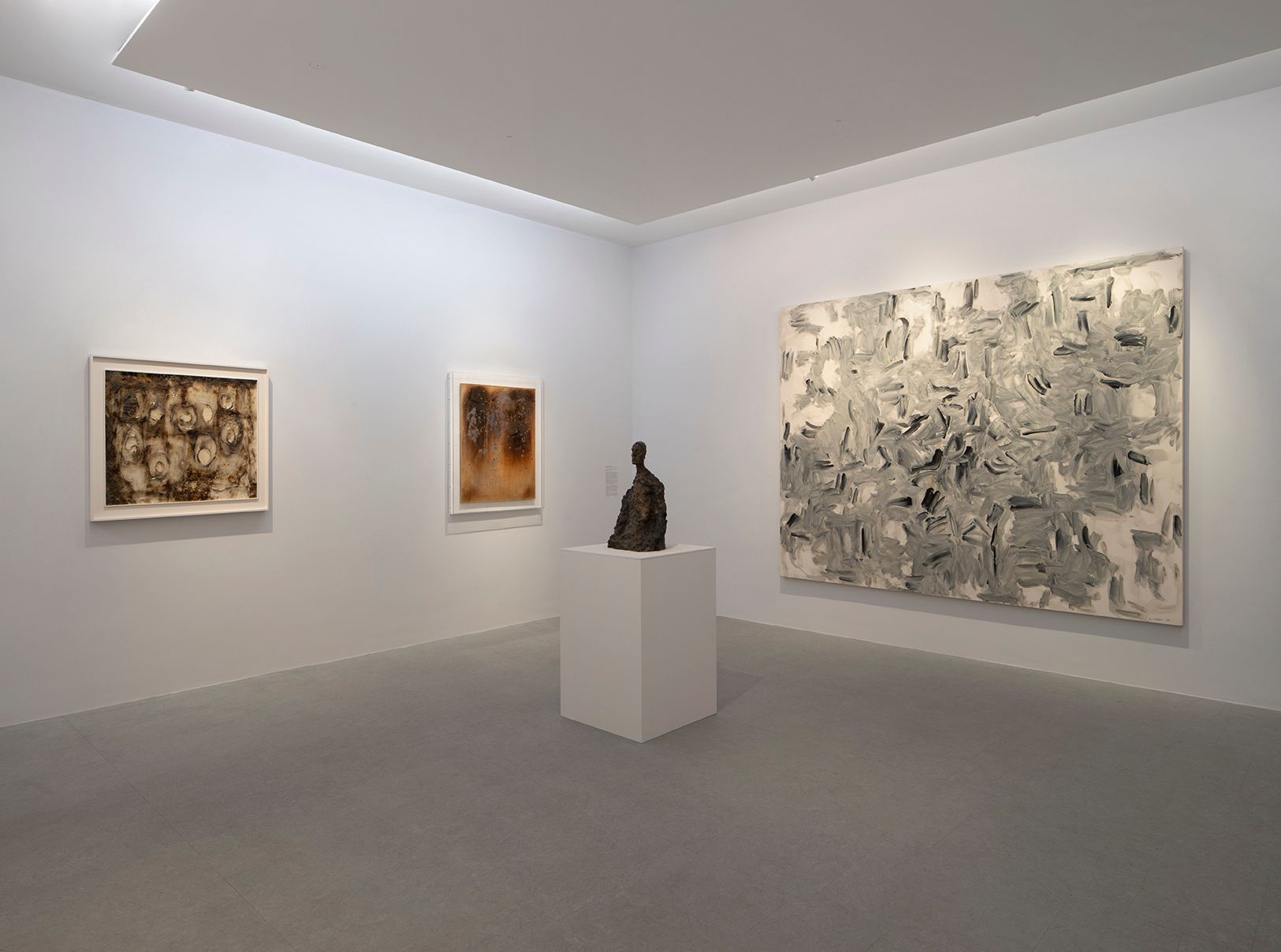
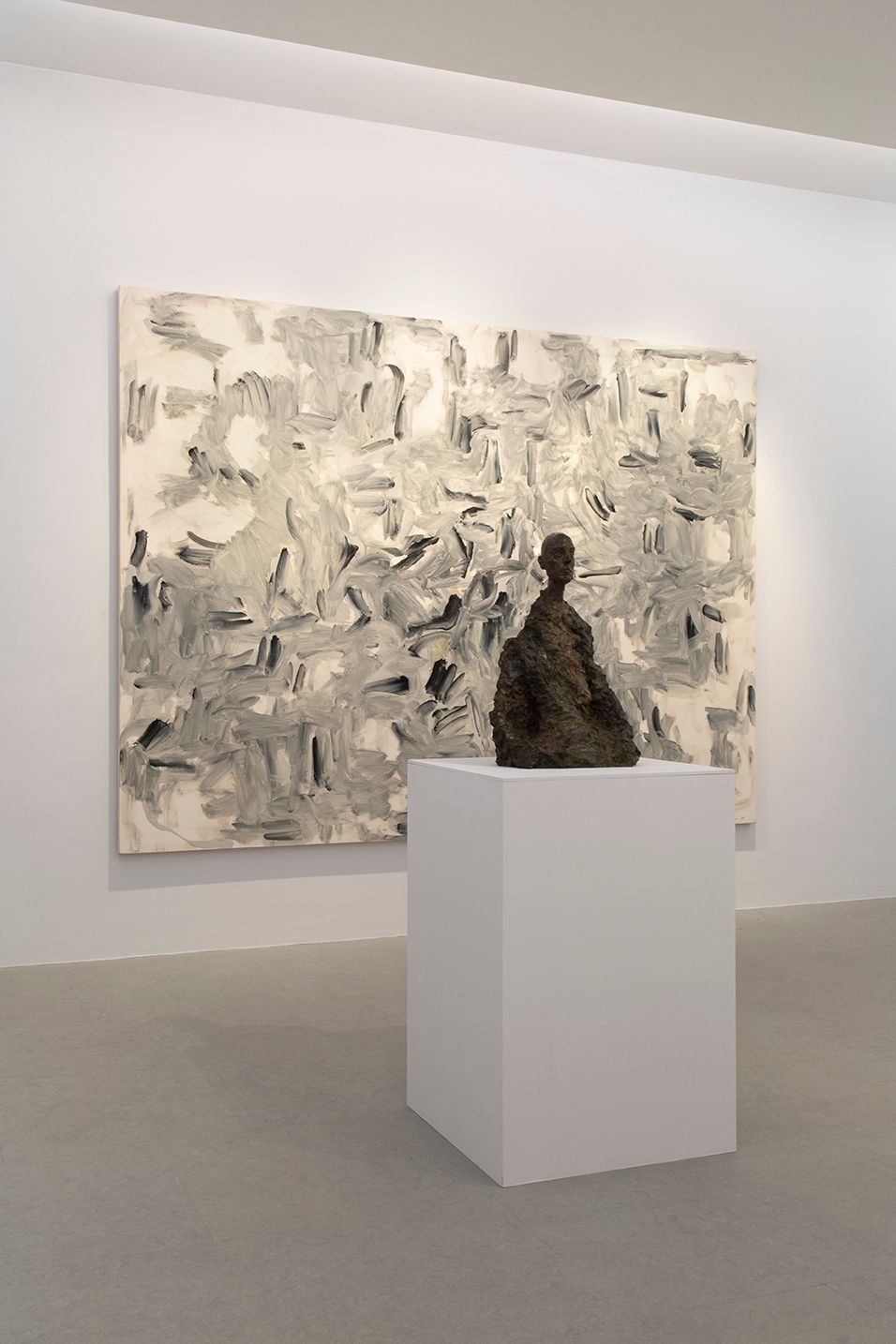
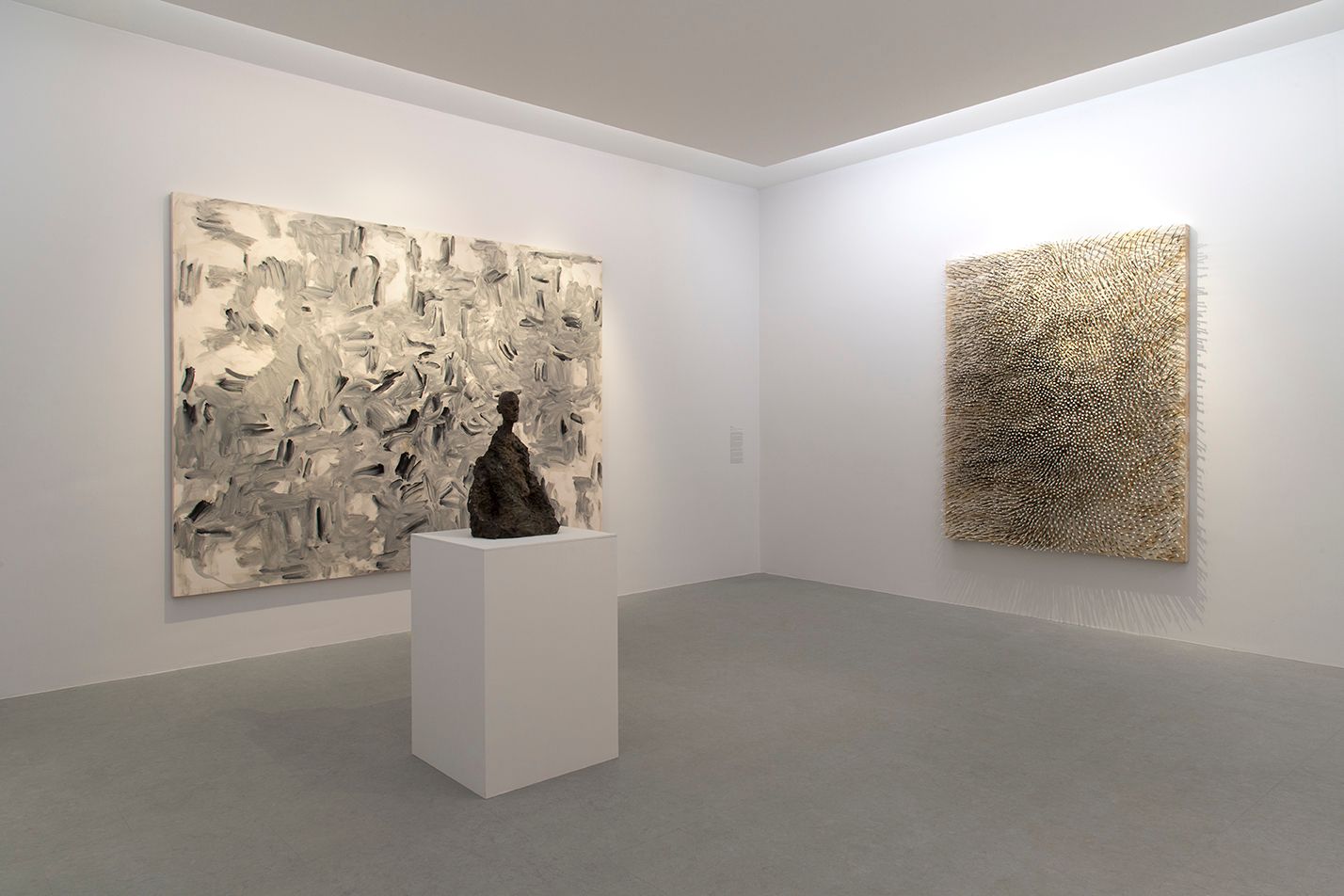
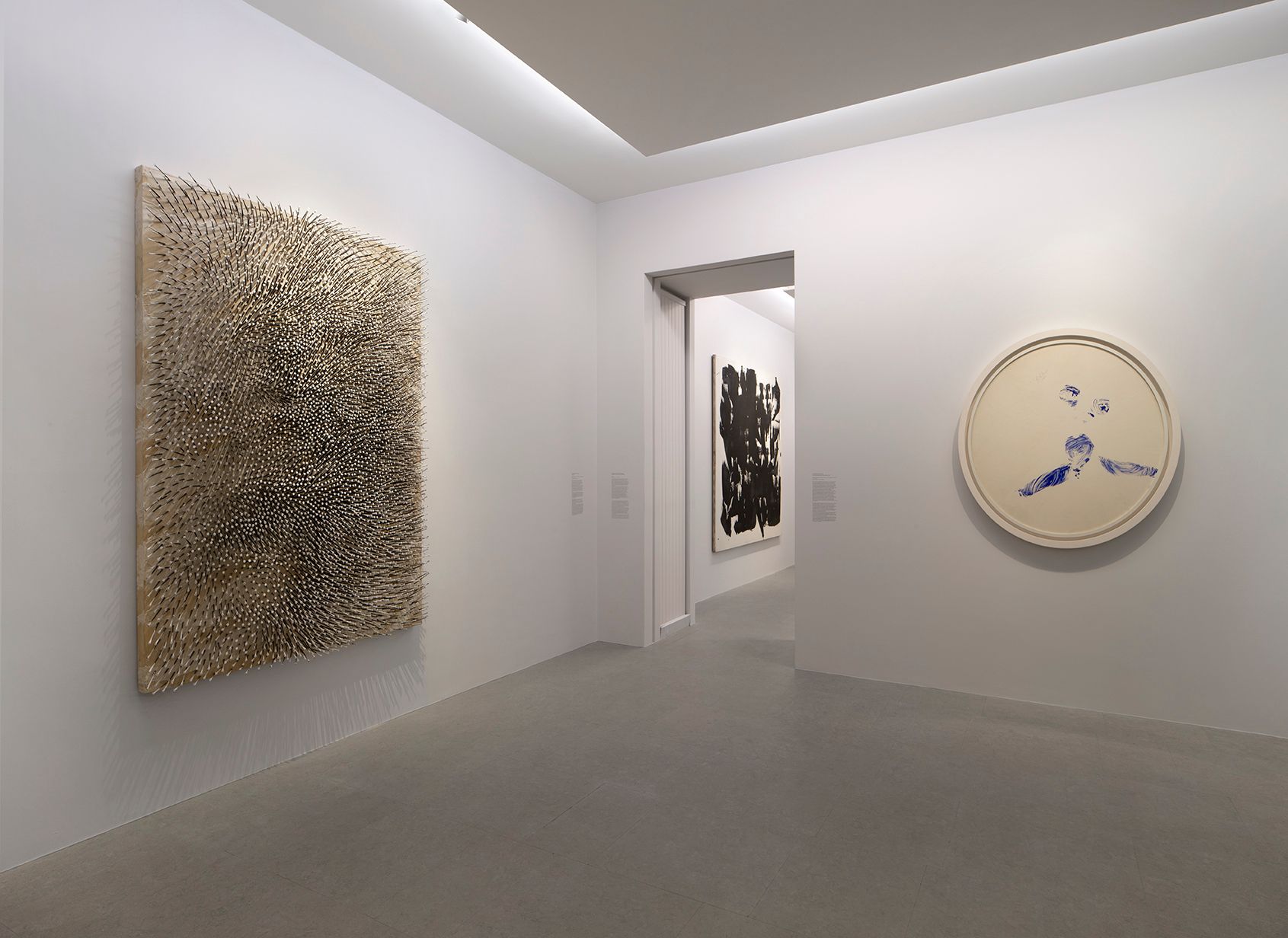
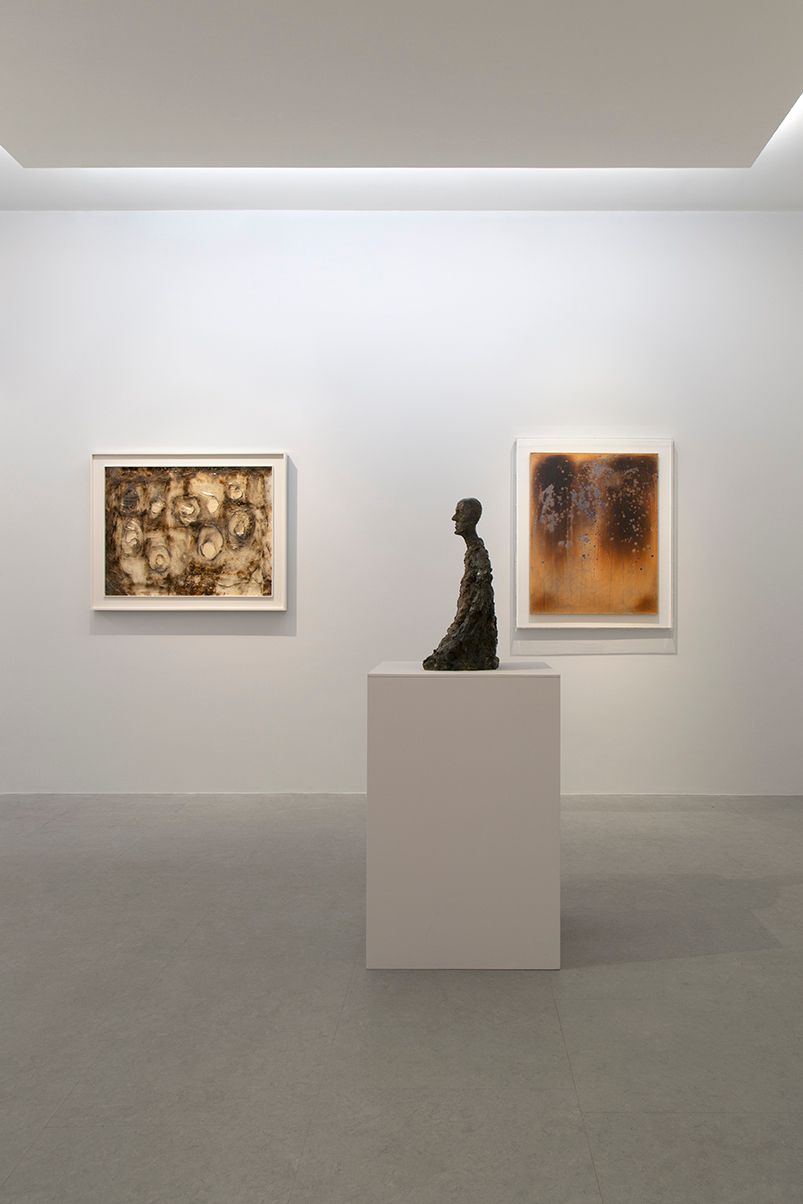
The artist no longer entirely controls what he produces: he composes with phenomena that partially elude him. The work keeps the memory of an event, the trace of a passage, of an energy or a transformation. It no longer solely represents something that exists outside itself: it becomes a fragment of reality.
Simultaneously the boundaries between figuration and abstraction, between painting and sculpture, between object and space progressively become porous. Shapes appear and dissolve, images oscillate between recognition and disappearance, surfaces reveal unsuspected depths. The void acquires as much importance as the full, the invisible as much as the visible, absence as much as presence. The work is no longer solely defined by what it gives us to see, but also by what it lets us guess, by the relations it establishes with the space delimiting it and with the spectator looking at it.
— Christian Alandete, curator of the exhibition
Featured Artists
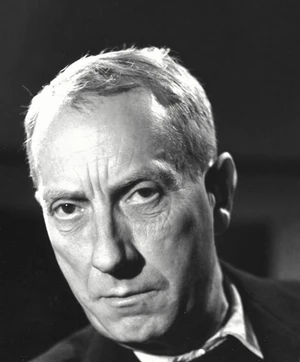
Jean Arp
Born in 1886 in Strasbourg, France
Died in 1966 in Basel, Switzerland
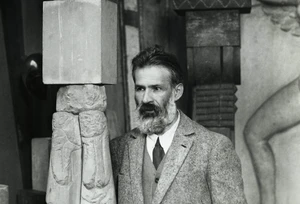
Constantin Brâncuși
Born in 1876 in Hobița, Roumania
Died in 1957 in Paris, France

Lucio Fontana
Born in 1899 in Rosario, Argentina
Died in 1968 in Comabbio, Italy
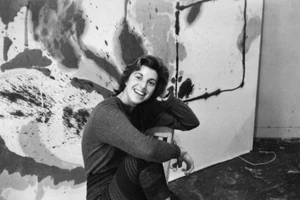
Helen Frankenthaler
Born in 1928 in New York, United States
Died in 2011 in Darien, United States
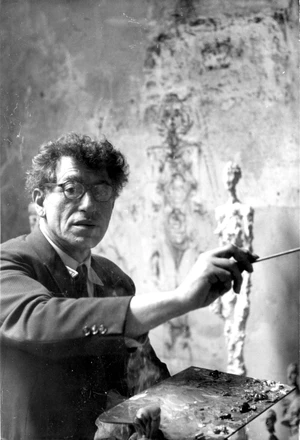
Alberto Giacometti
Died in 1966 in Chur, Switzerland
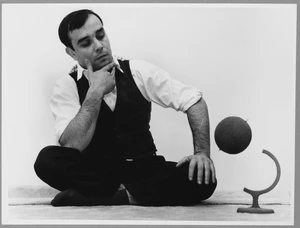
Yves Klein
Born in 1928 in Nice, France
Died in 1962 in Paris, France

Lee Ufan
Lives and works in Paris and Kamakura, Japan
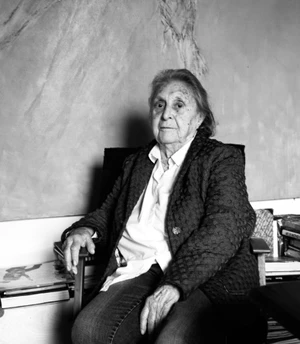
Judit Reigl
Born in 1923 in Kapuvár, Hungary
Died in 2020 in Marcoussis, France

Germaine Richier
Born in 1902 in Grans, France
Died in 1959 in Montpellier, France
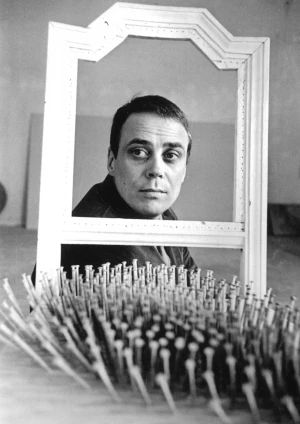
Günther Ueckler
Born in 1930 in Kuhlen-Wendorf, Germany
Died in 2025 in Düsseldorf, Germany
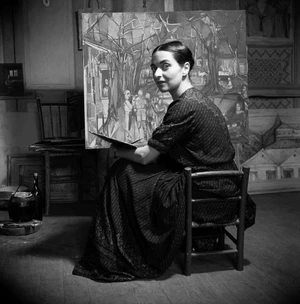
Maria Helena Vieira Da Silva
Born in 1908 in Lisbon, Portugal
Died in 1992 in Paris, France
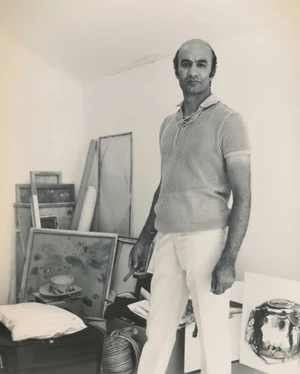
Manoucher Yektai
Born in 1921 in Tehran, Iran
Died in 2019 in New York, United States