


Le corps de l’autre
WITH LAURE ALBIN GUILLOT, LOUISE BOURGEOIS, CAMILLE CLAUDEL, CAROLE DOUILLARD & BABETTE MANGOLTE, LEONOR FINI, CAMILLE HENROT, ANNETTE MESSAGER, ALICE NEEL, ORLAN, JUDIT REIGL & GERMAINE RICHIER
Mar 24 - Jun 3, 2023
Mennour, 5 rue du Pont de Lodi
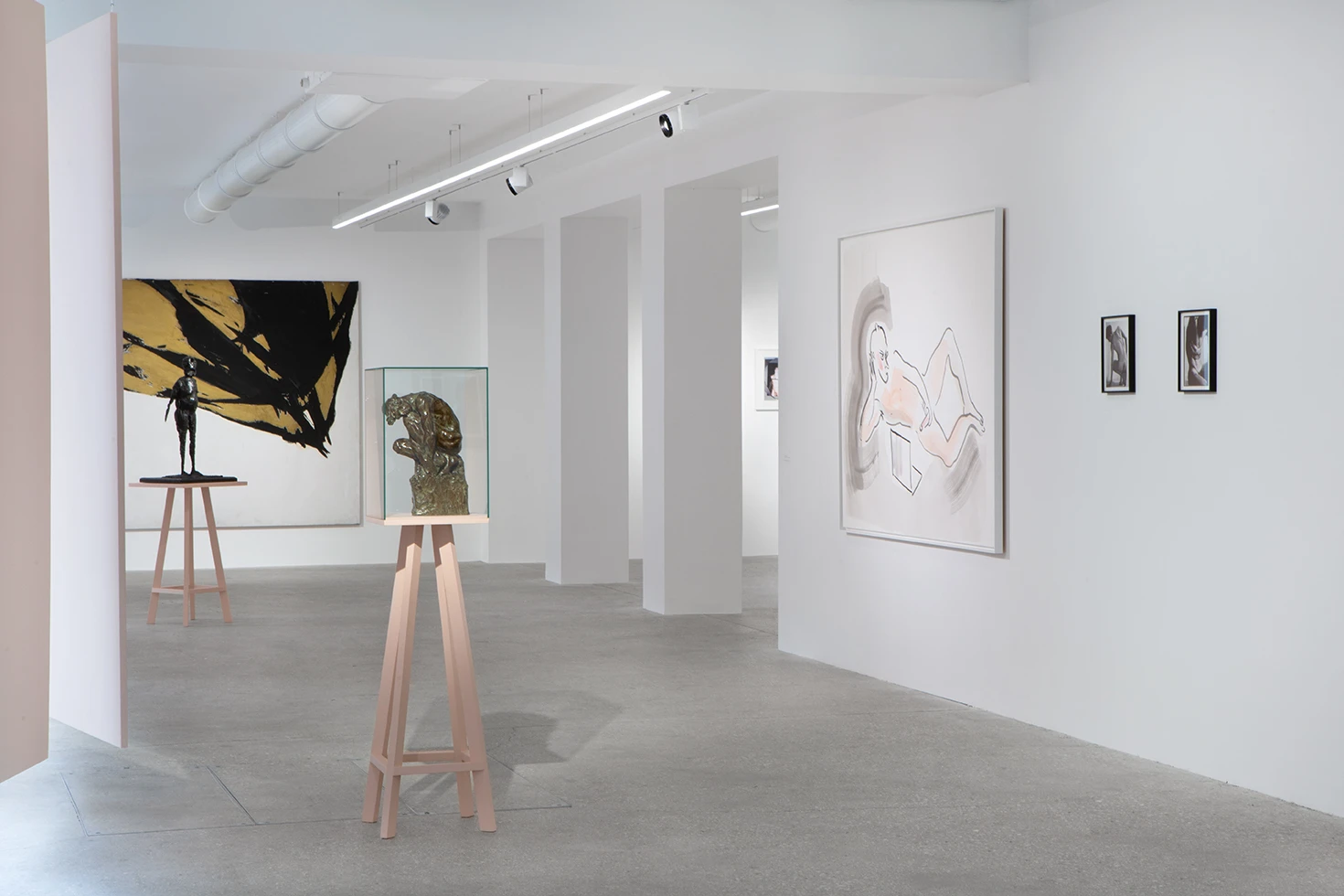
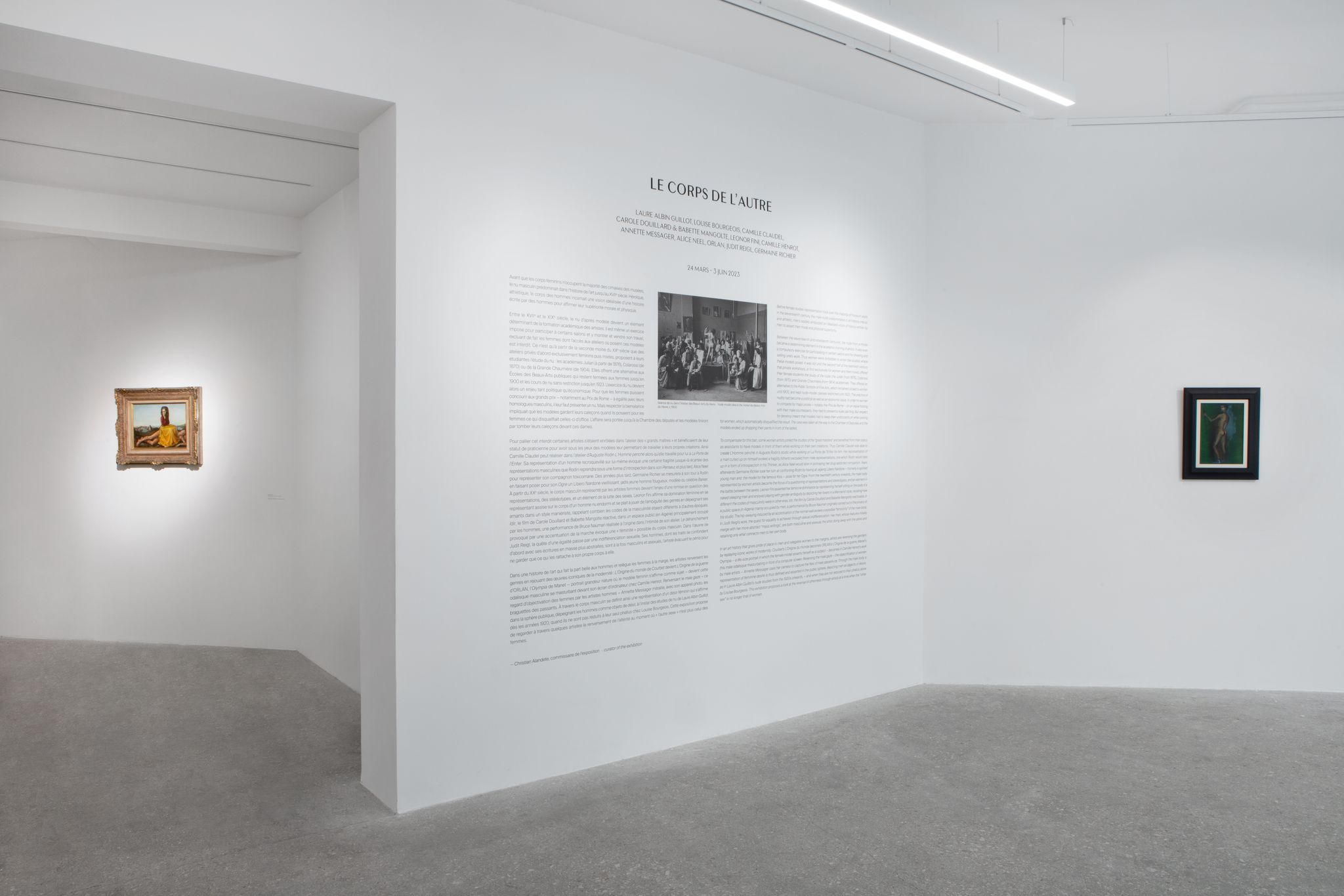
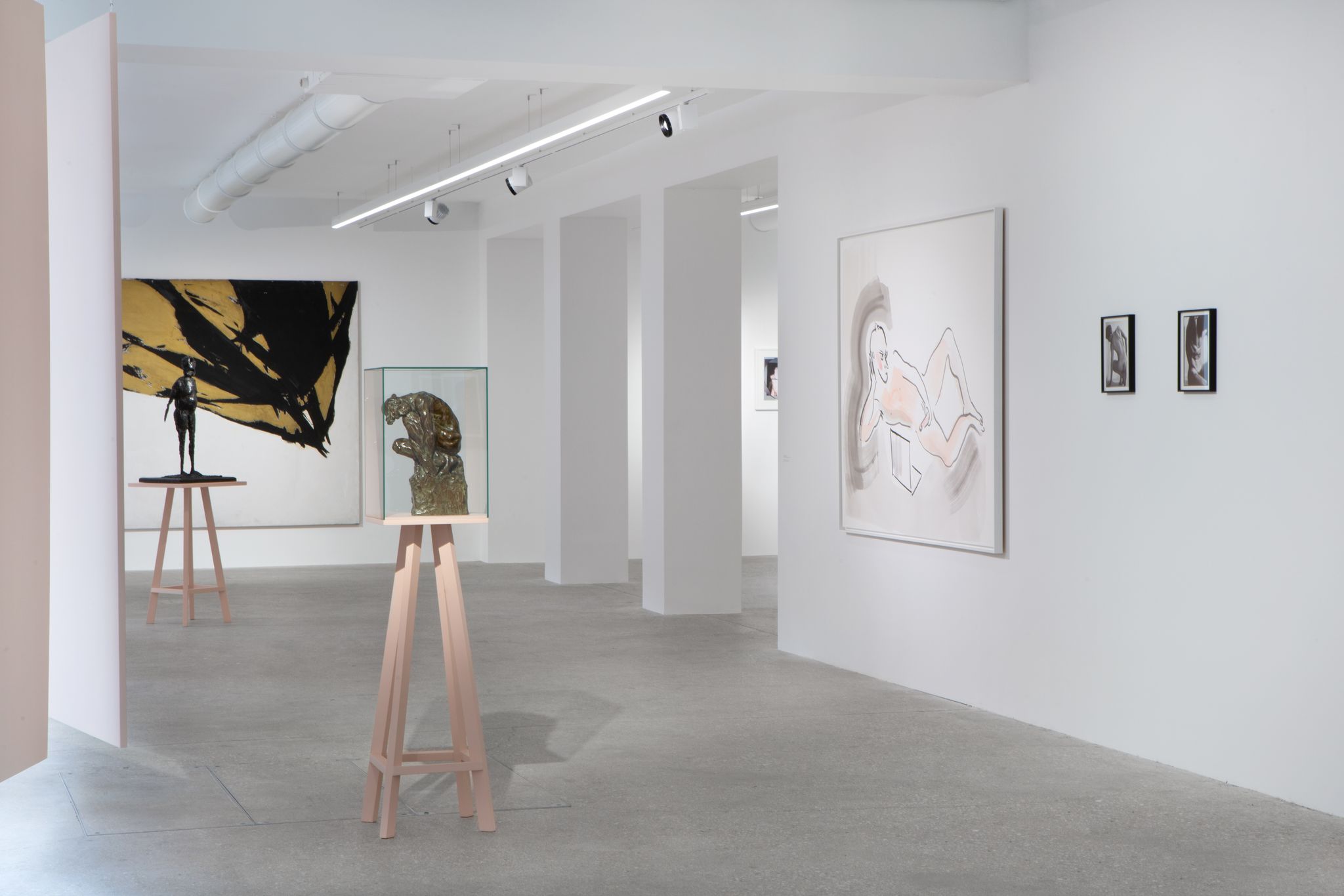
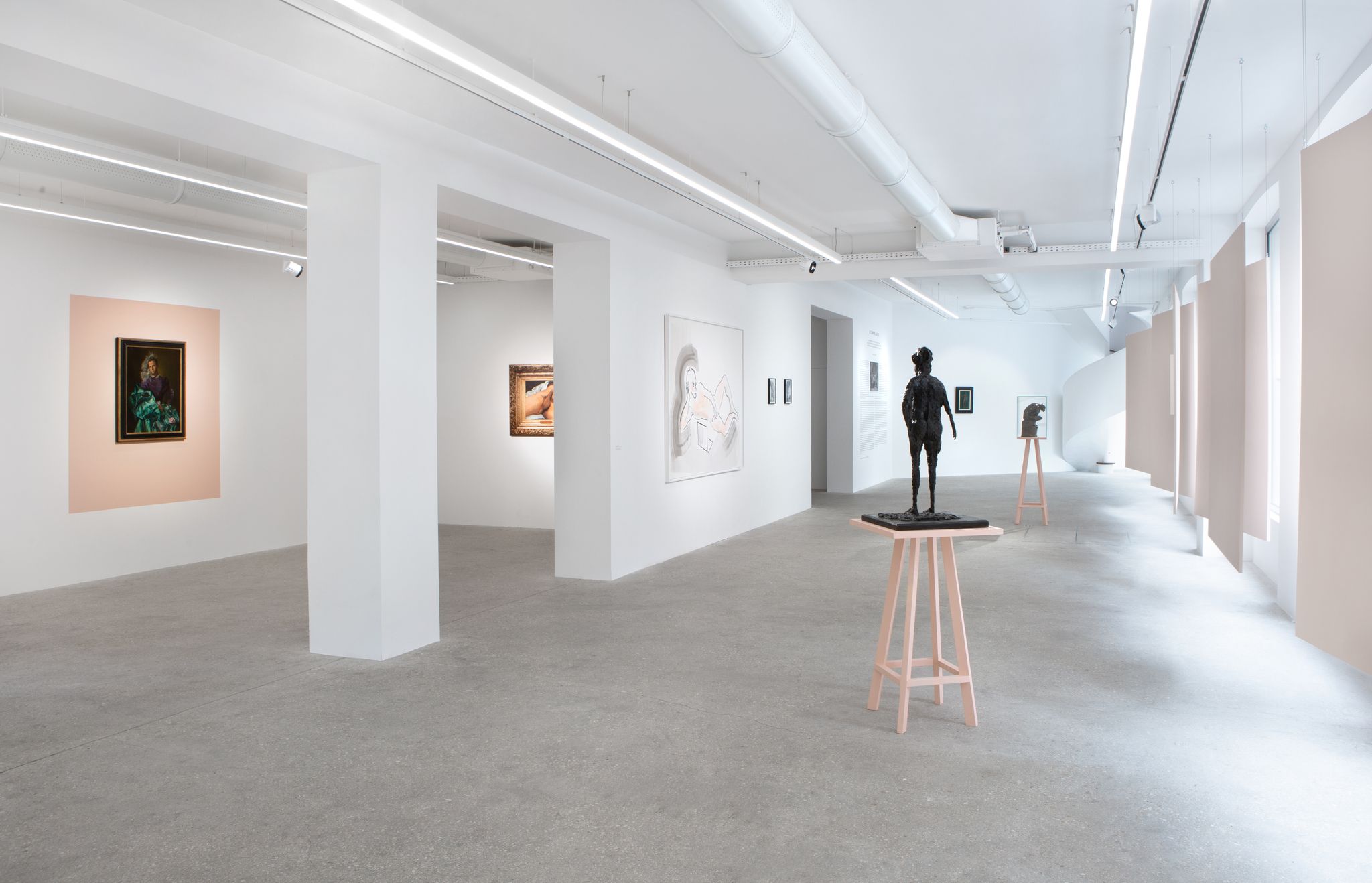
Before female bodies representation took over the majority of museum walls in the seventeenth century, the male nude predominated in art history. Heroic and athletic, men’s bodies embodied an idealised vision of history written by men to assert their moral and physical superiority.
Between the seventeenth and nineteenth centuries, the nude from a model became a determining element in the academic training of artists. It was even a compulsory exercise for participating in certain salons and for showing and selling one’s work. Thus women were forbidden to enter the studios where these models posed. It was not until the second half of the nineteenth century that private workshops, at first exclusively for women and then mixed, offered their female students the study of the nude: the Julian (from 1876), Colarossi (from 1870) and Grande Chaumière (from 1904) academies. They offered an alternative to the Public Schools of Fine Arts, which remained closed to women until 1900, and kept nude-model classes restricted until 1923. The practice of nudity had become a political as well as an economic issue. In order for women to compete for major prizes — notably the Prix de Rome — on an equal footing with their male counterparts, they had to present a nude painting. But respect for decency meant that models had to keep their underpants on when posing for women, which automatically disqualified the result. The case was taken all the way to the Chamber of Deputies and the models ended up dropping their pants in front of the ladies.
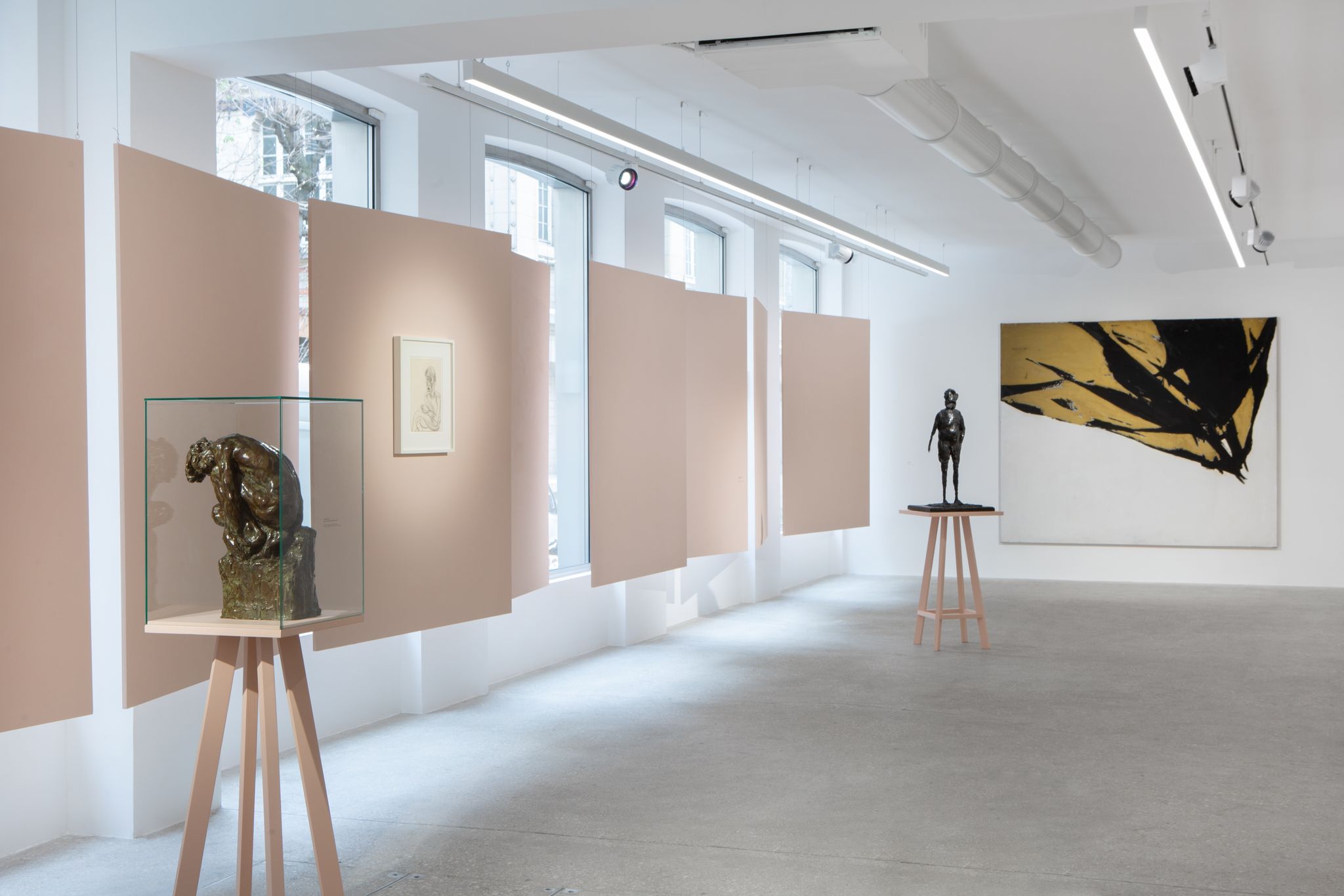
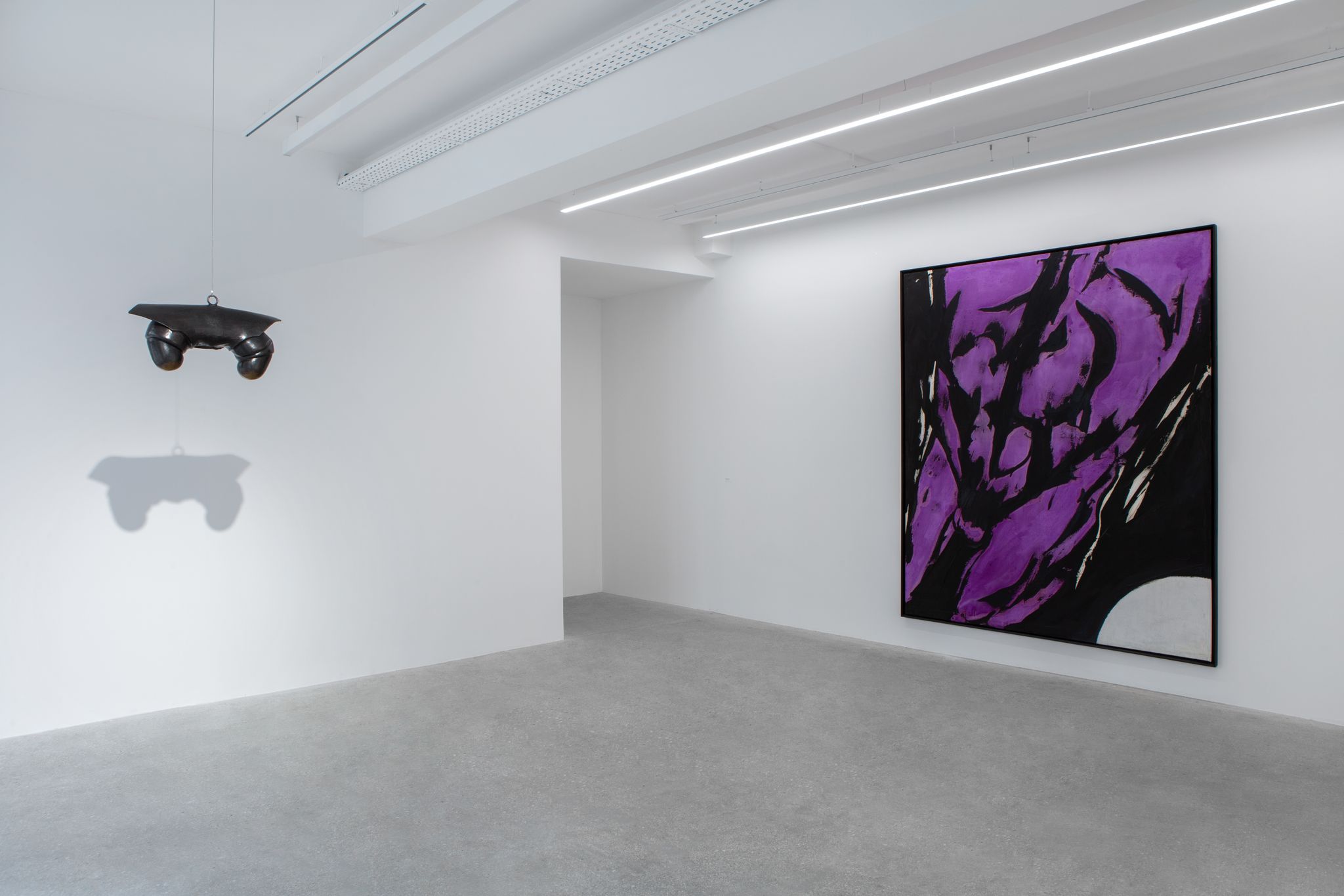
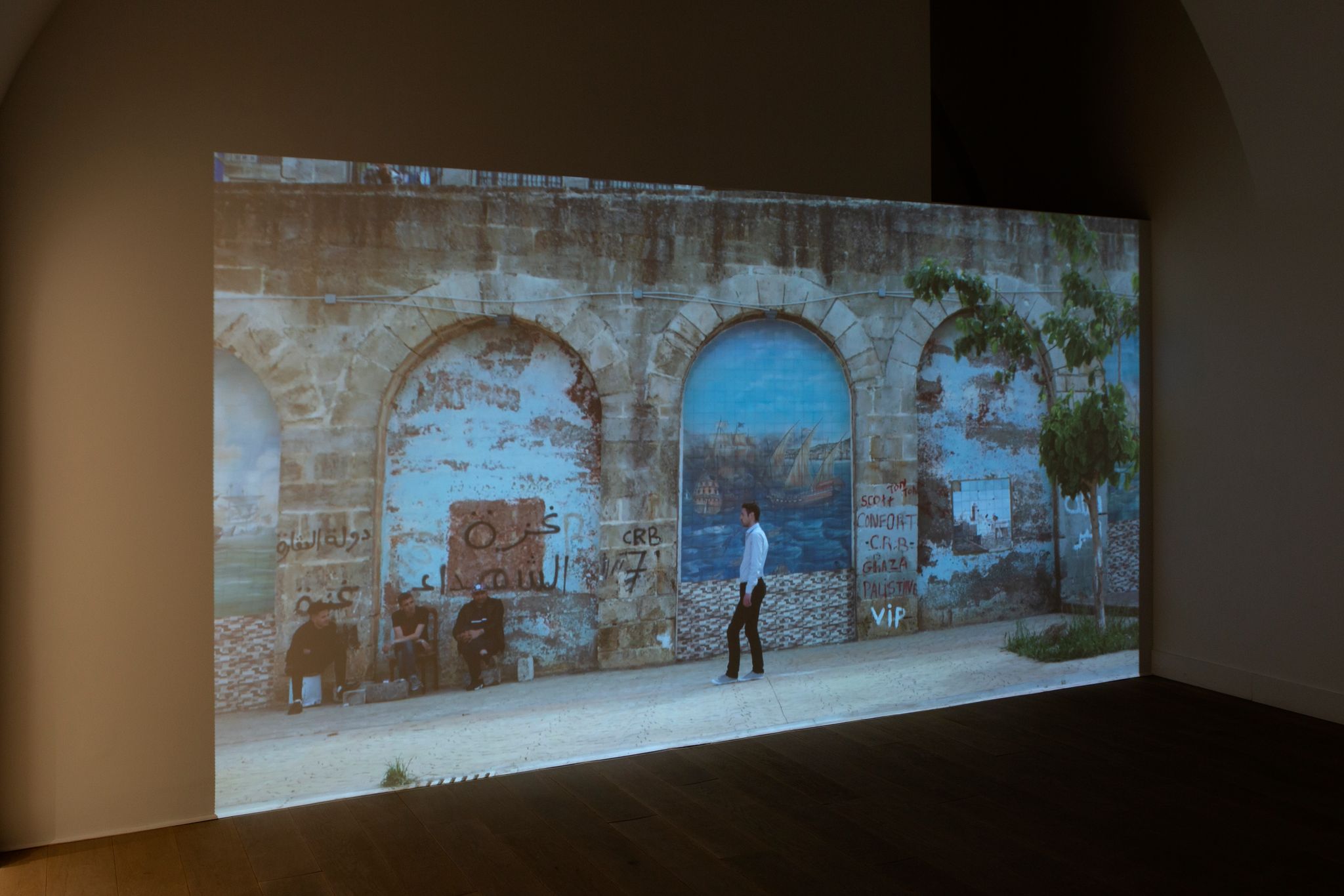
To compensate for this ban, some women artists joined the studios of the “great masters” and benefited from their status as assistants to have models in front of them while working on their own creations. Thus Camille Claudel was able to create L’Homme penché in Auguste Rodin’s studio while working on La Porte de l’Enfer for him. Her representation of a man curled up on himself evokes a fragility hitherto excluded from male representations, one which Rodin would take up in a form of introspection in his Thinker, as Alice Neel would later in portraying her drug-addicted companion. Years afterwards Germaine Richier took her turn at confronting Rodin by having an ageing Libero Nardone — formerly a spirited young man and the model for the famous Kiss — pose for her Ogre. From the twentieth century onwards, the male body represented by women artists became the focus of a questioning of representations and stereotypes, and an element in the battle between the sexes. Leonor Fini asserted her feminine dominance by representing herself sitting on the body of a naked sleeping man and enjoyed playing with gender ambiguity by depicting her lovers in a Mannerist style, recalling how different the codes of masculinity were in other eras. Idir, the film by Carole Douillard and Babette Mangolte reactivates, in a public space (in Algeria) mainly occupied by men, a performance by Bruce Nauman originally carried out in the privacy of his studio. The hip-swaying induced by an accentuation of the normal walk evokes a possible “femininity” of the male body. In Judit Reigl’s work, the quest for equality is achieved through sexual indifferenciation. Her men, whose features initially merge with her more abstract “mass writings”, are both masculine and asexual, the artist doing away with the penis and retaining only what connects men to her own body.
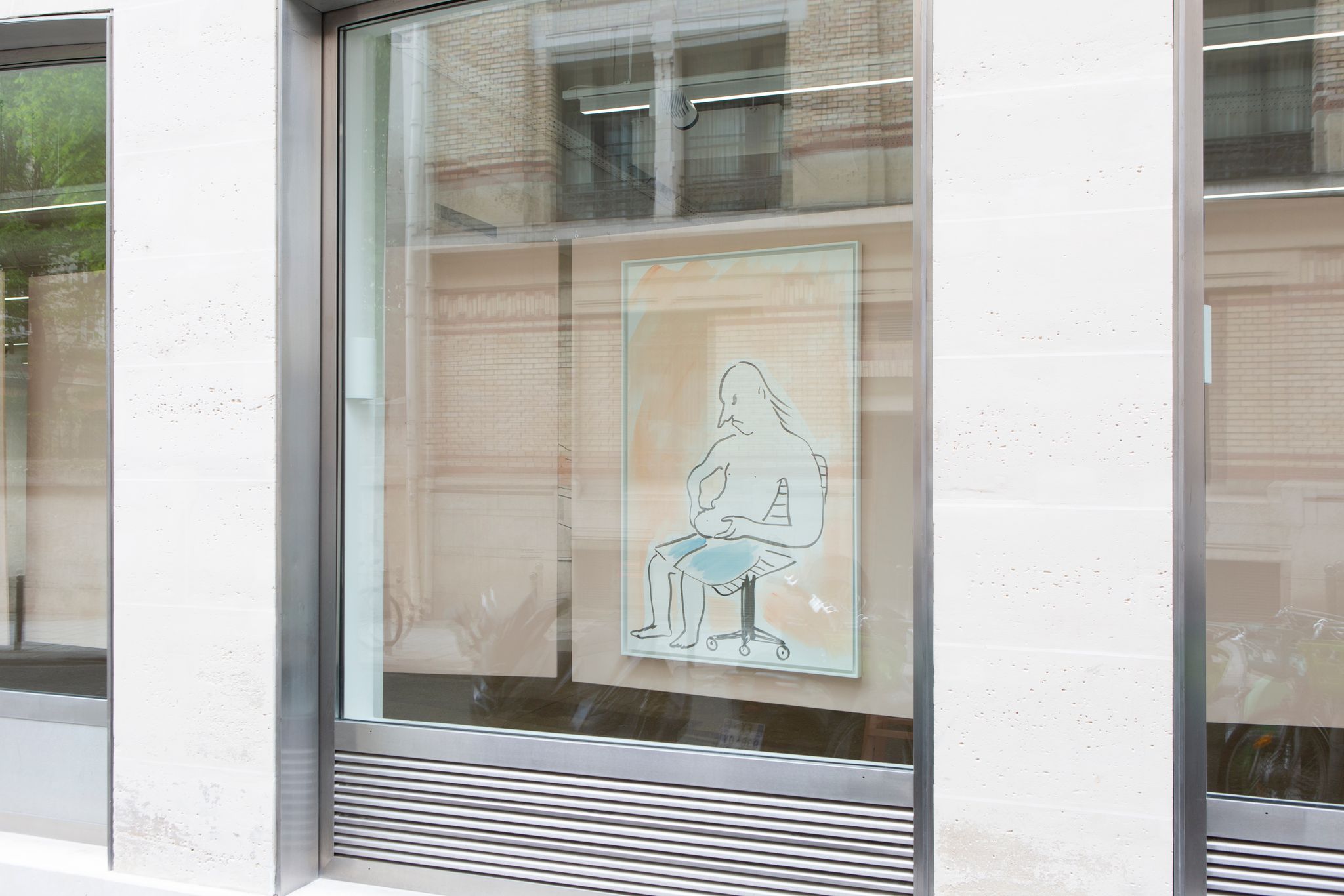
In an art history that gives pride of place to men and relegates women to the margins, artists are reversing the genders by replaying iconic works of modernity: Courbet’s L’Origine du monde becomes ORLAN’s L’Origine de la guerre, Manet’s Olympia — a life-size portrait in which the female model asserts herself as a subject — becomes in Camille Henrot’s work this male odalisque masturbating in front of a computer screen. Reversing the male gaze — the objectification of women by male artists — Annette Messager uses her camera to capture the flies of male passers- by. Through the male body, a representation of feminine desire isthus defined and asserted in the public sphere, depicting men as objects of desire, as in Laure Albin Guillot’s nude studies from the 1920s onwards, — and when they are not reduced to their phallus alone by Louise Bourgeois. This exhibition proposes a look at the reversal of otherness through artists at a time when the “other sex” is no longer that of women.
— Christian Alandete, curator of the exhibition
Born in 1879 in Paris (France), LAURE ALBIN GUILLOT died there in 1962.
Born in 1911 in Paris (France), LOUISE BOURGEOIS died in 2010 in New York (United States).
Born in 1864 à Fère-en-Tardenois (France), CAMILLE CLAUDEL died in 1943 in Montdevergues (France).
Born in 1971 in Nantes (France), CAROLE DOUILLARD lives and works there.
Born in 1908 in Buenos Aires (Argentina), LEONOR FINI died in 1996 in Aubervilliers (France).
Born in 1978 in Paris (France), CAMILLE HENROT lives and works between Berlin (Germany) and New York (United States).
Born in 1941 in Montmorot (France), BABETTE MANGOLTE lives and works in New York (United States).
Born in 1943 in Berck, ANNETTE MESSAGER lives and works in Malakoff (France).
Born in 1900 in Gladwyne (United States), ALICE NEEL died in 1984 in New York (United States).
Born in 1947 in Saint-Étienne (France), ORLAN lives and works between Paris (France), New York (United States) and Los Angeles (United States).
Born in 1923 in Kapuvár (Hungary), JUDIT REIGL died in 2020 in Marcoussis (France).
Born in 1902 in Grans (France), GERMAINE RICHIER died in 1959 in Montpellier (France).