

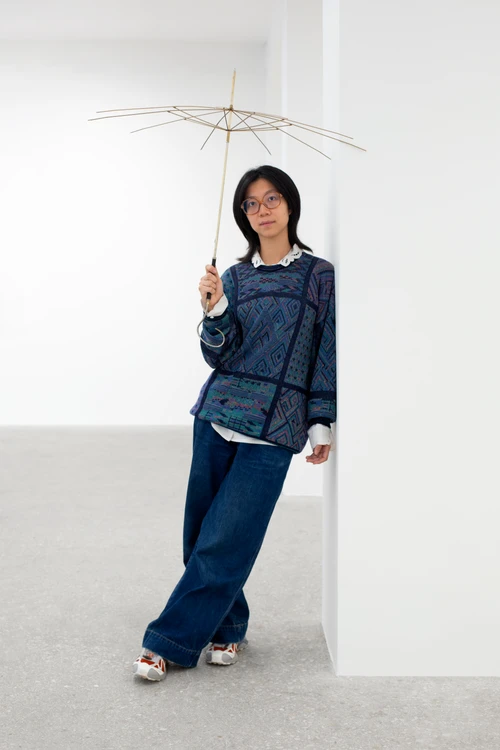





Ruoxi Jin

Microclimats

16 oct. - 22 nov. 2025

Mennour, 5 rue du Pont de Lodi
Le vernissage aura lieu le jeudi 16 octobre 2025 de 18h à 20h

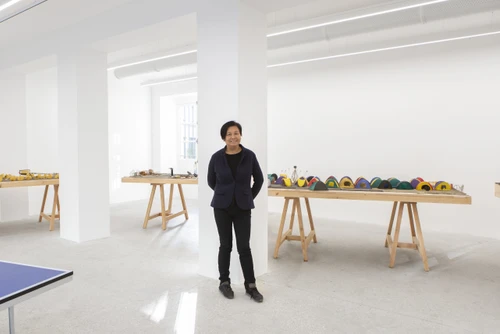
Mennour est heureux de présenter la première exposition personnelle de Ruoxi Jin à la galerie, qui transforme pour l’occasion l’espace en un territoire singulier, un espace-temps où coexistent des objets rencontrés fortuitement, chargés de résonances intimes.


Intitulée « Microclimats », l’exposition se déploie comme un voyage intérieur, une narration dont la temporalité implicite est celle d’un vol aérien, du décollage à l’atterrissage. Ce trajet métaphorique explore les rapports de l’artiste à la fragilité de l’existence évoquant la peur, la séparation et la mort. Chaque œuvre agit comme un microclimat : autonome mais reliée aux autres, comme autant de réalités parallèles partageant un même présent. L’exposition se lit ainsi comme une traversée, ponctuée de turbulences, d’accalmies et d’instants suspendus qui jalonnent un itinéraire intime. Les objets deviennent autant d’instants fugaces, de souvenirs surgissant au gré des pensées, des arrêts sur image dans le flux continu du temps. Simples en apparence, ils se révèlent être des points d’ancrage poétiques, des fragments de mémoire capables de condenser une expérience à la fois personnelle et universelle. Ensemble, ils composent une constellation hétérogène, une véritable topographie de l’émotion et du souvenir.


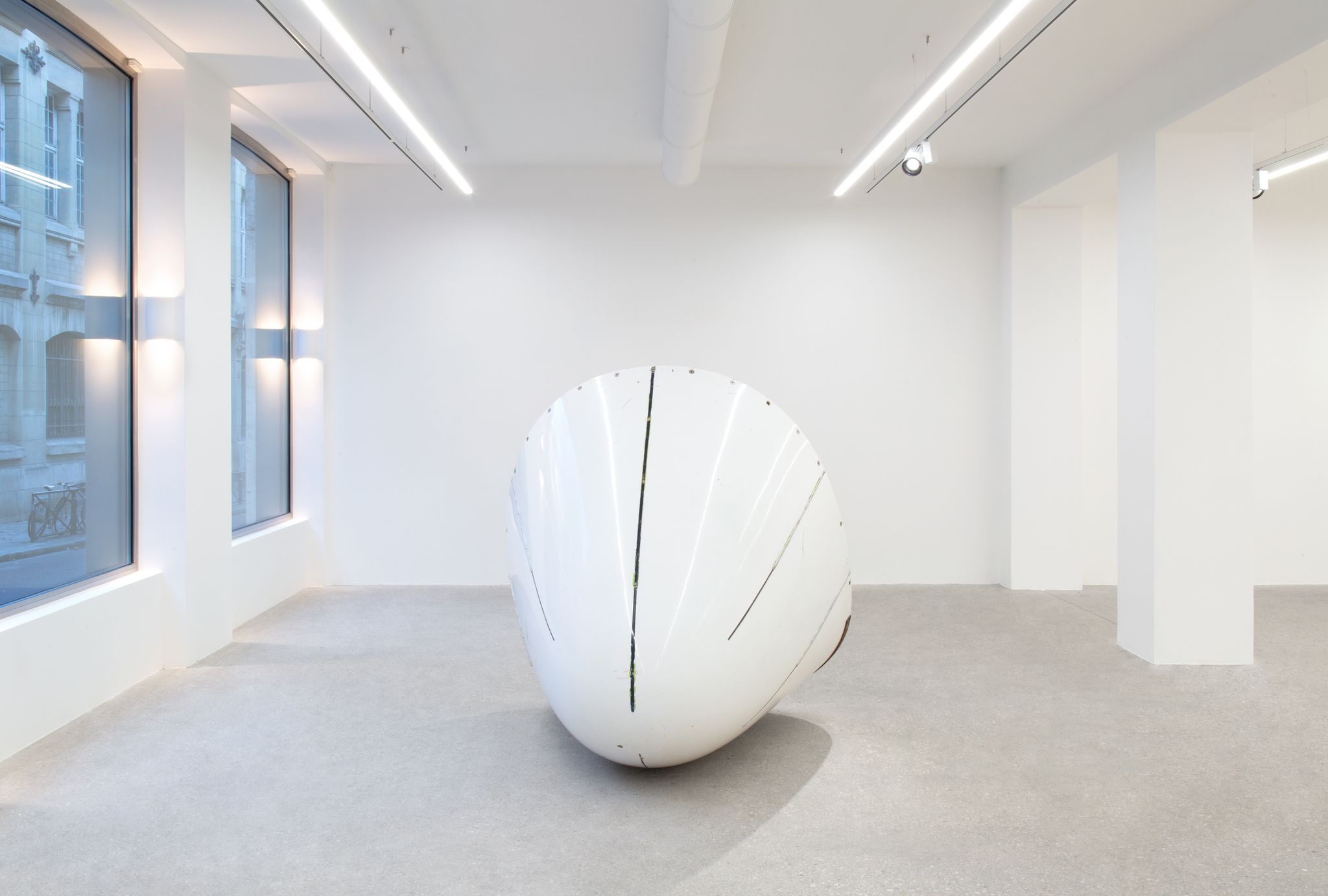
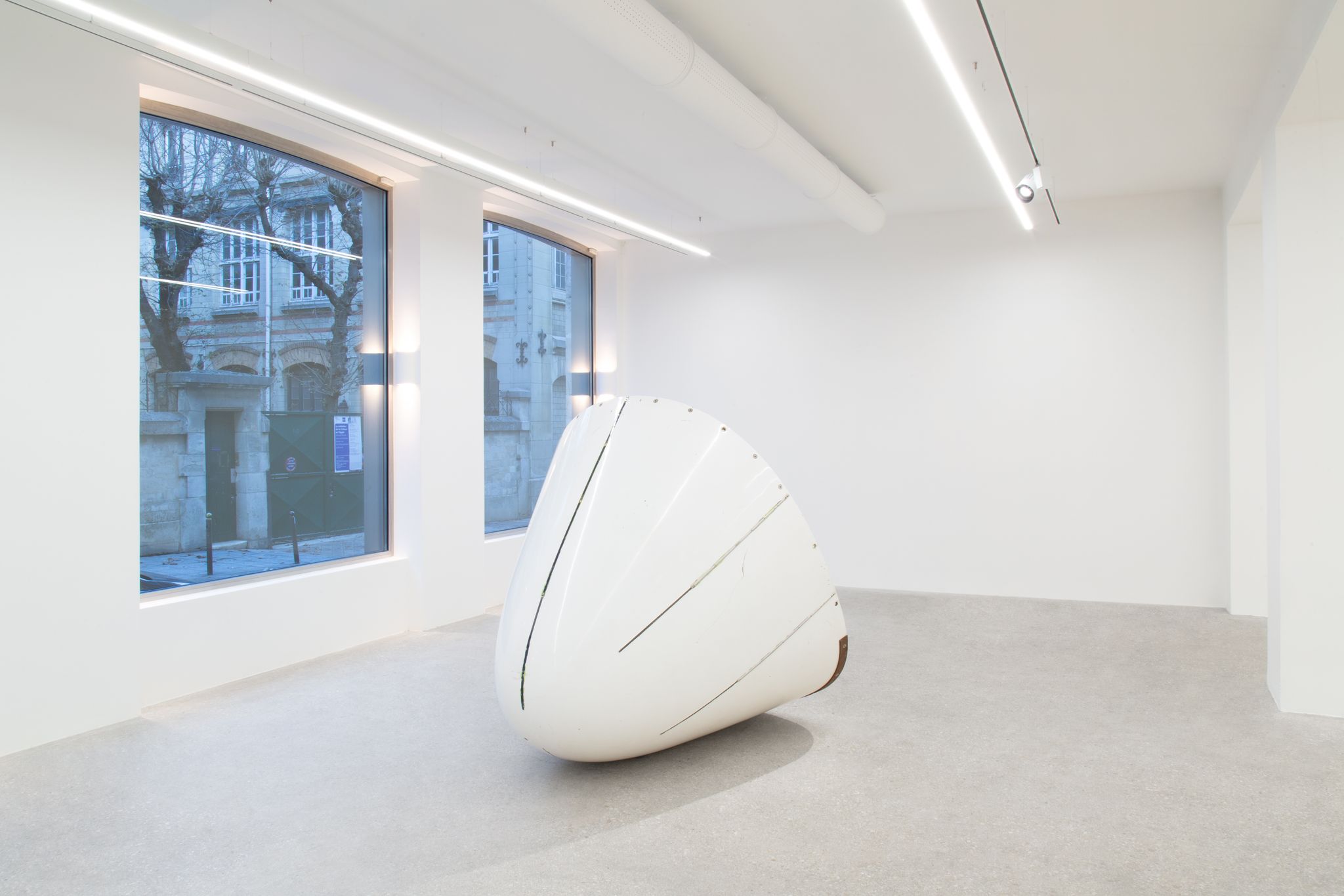
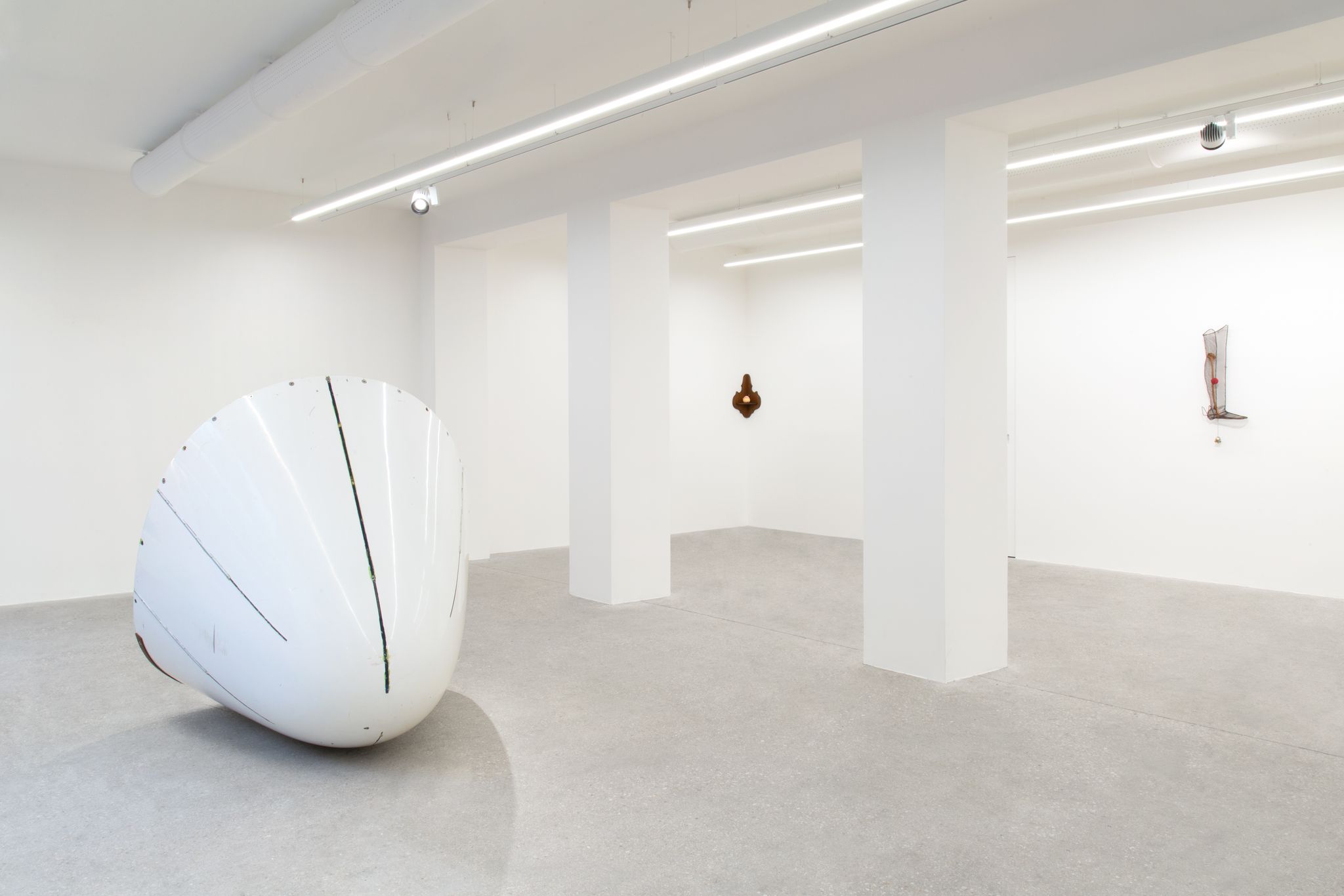
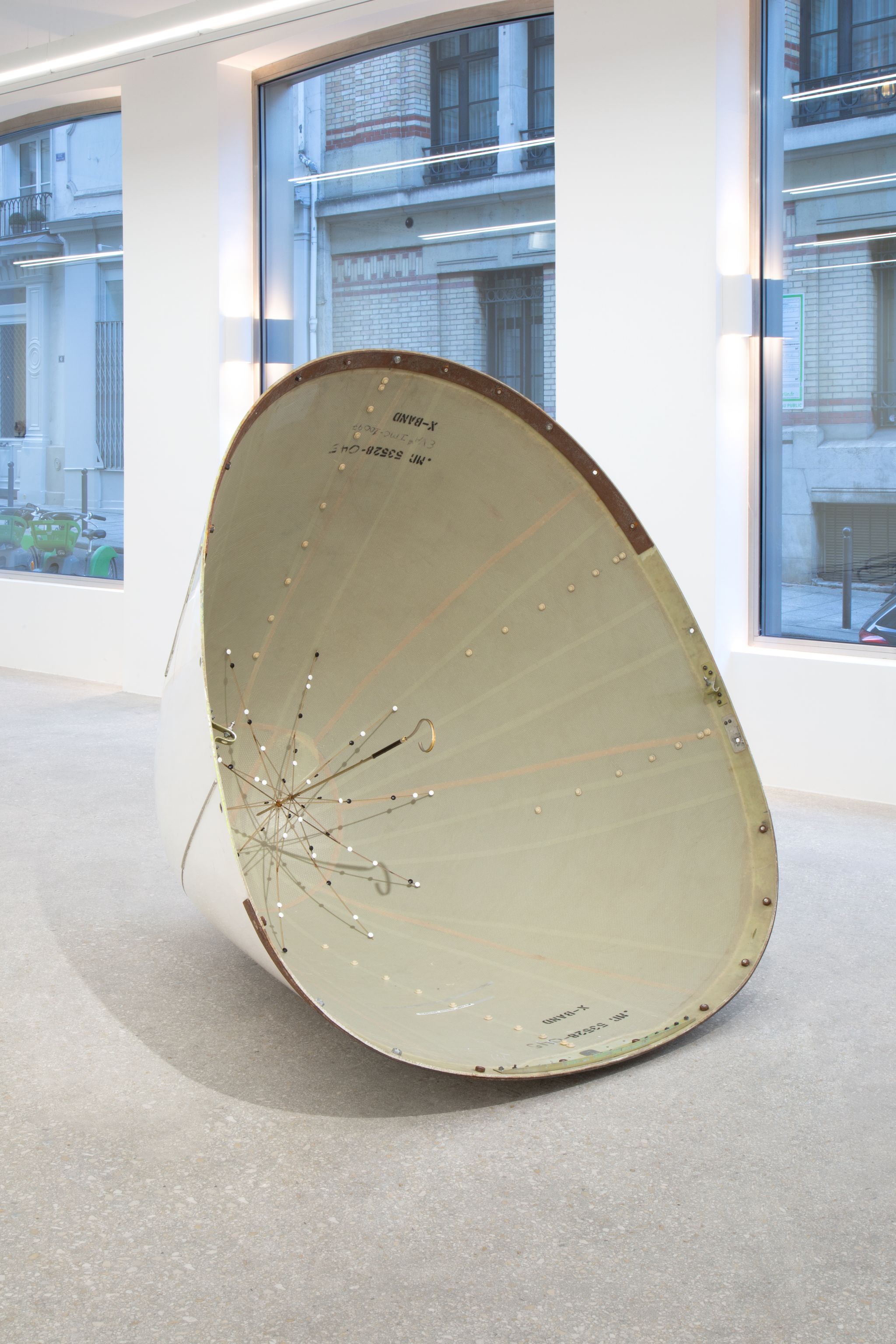
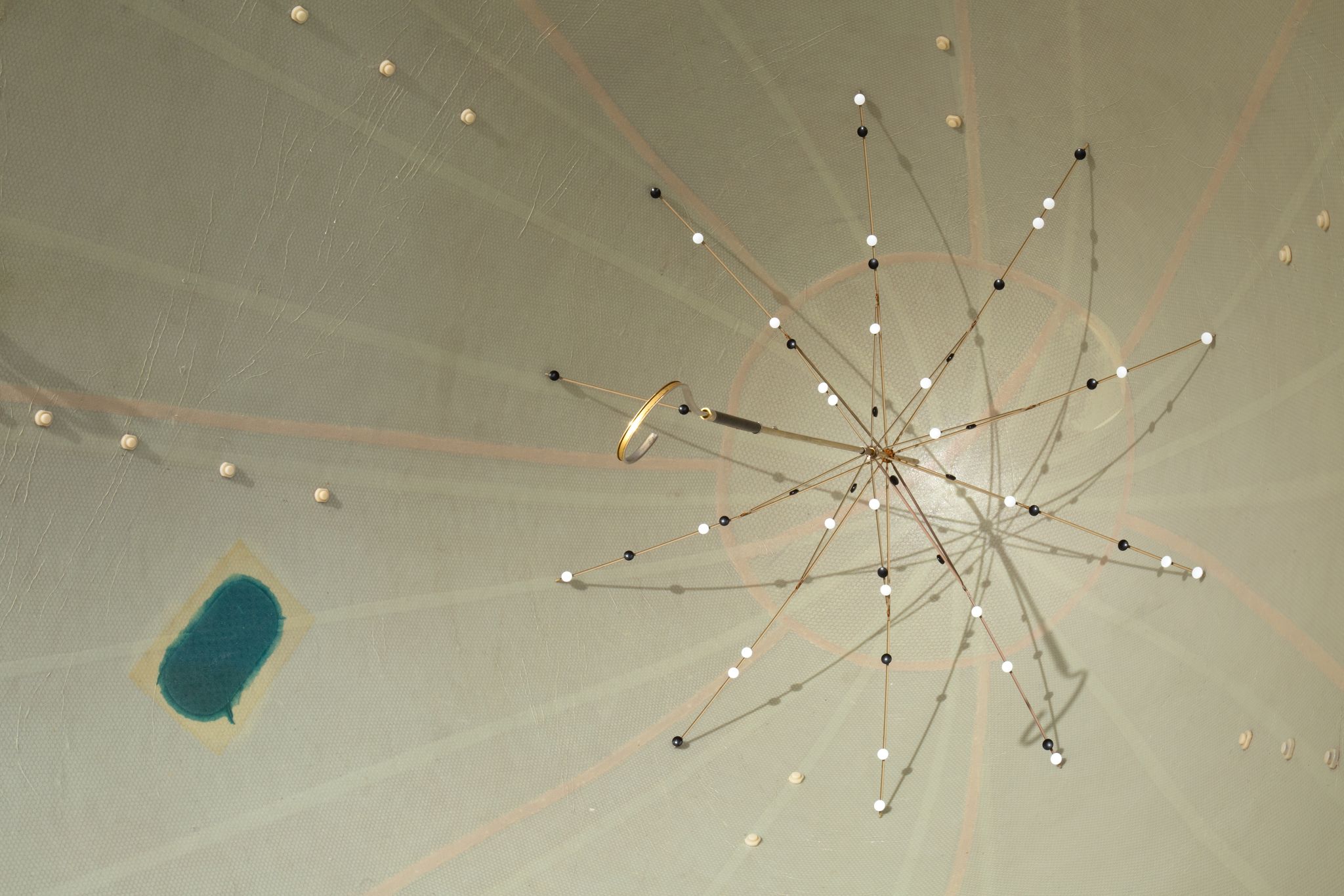
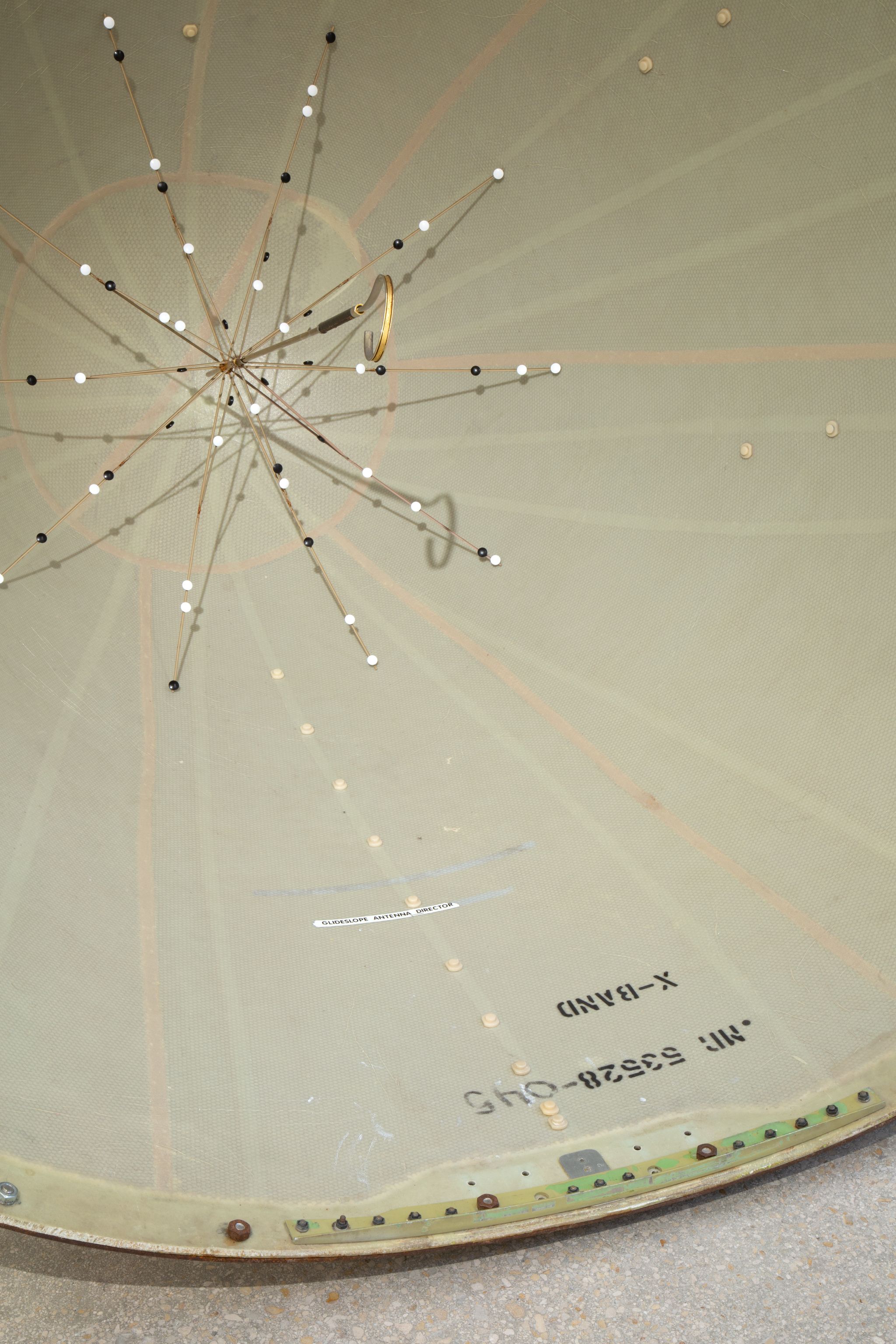
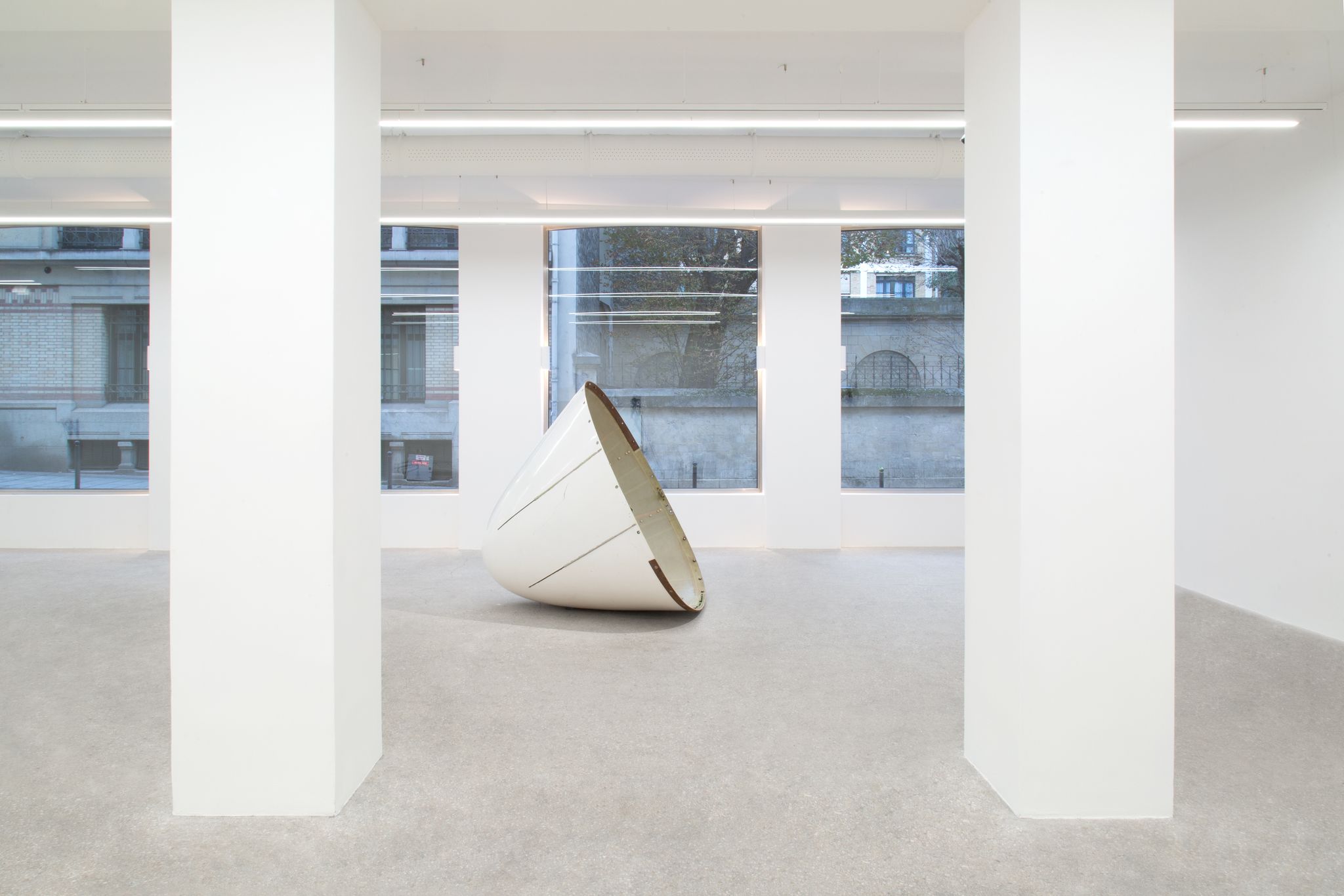
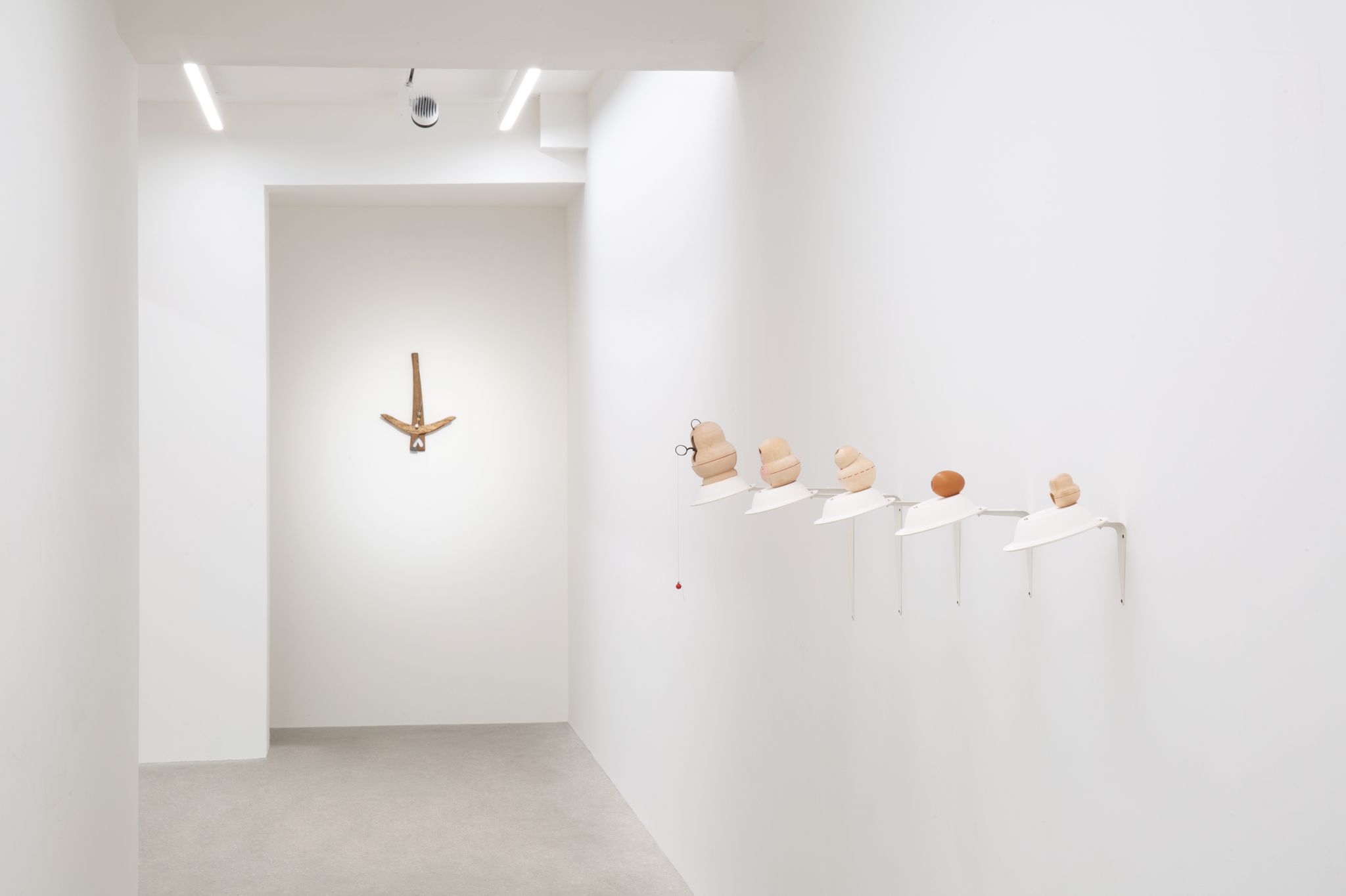
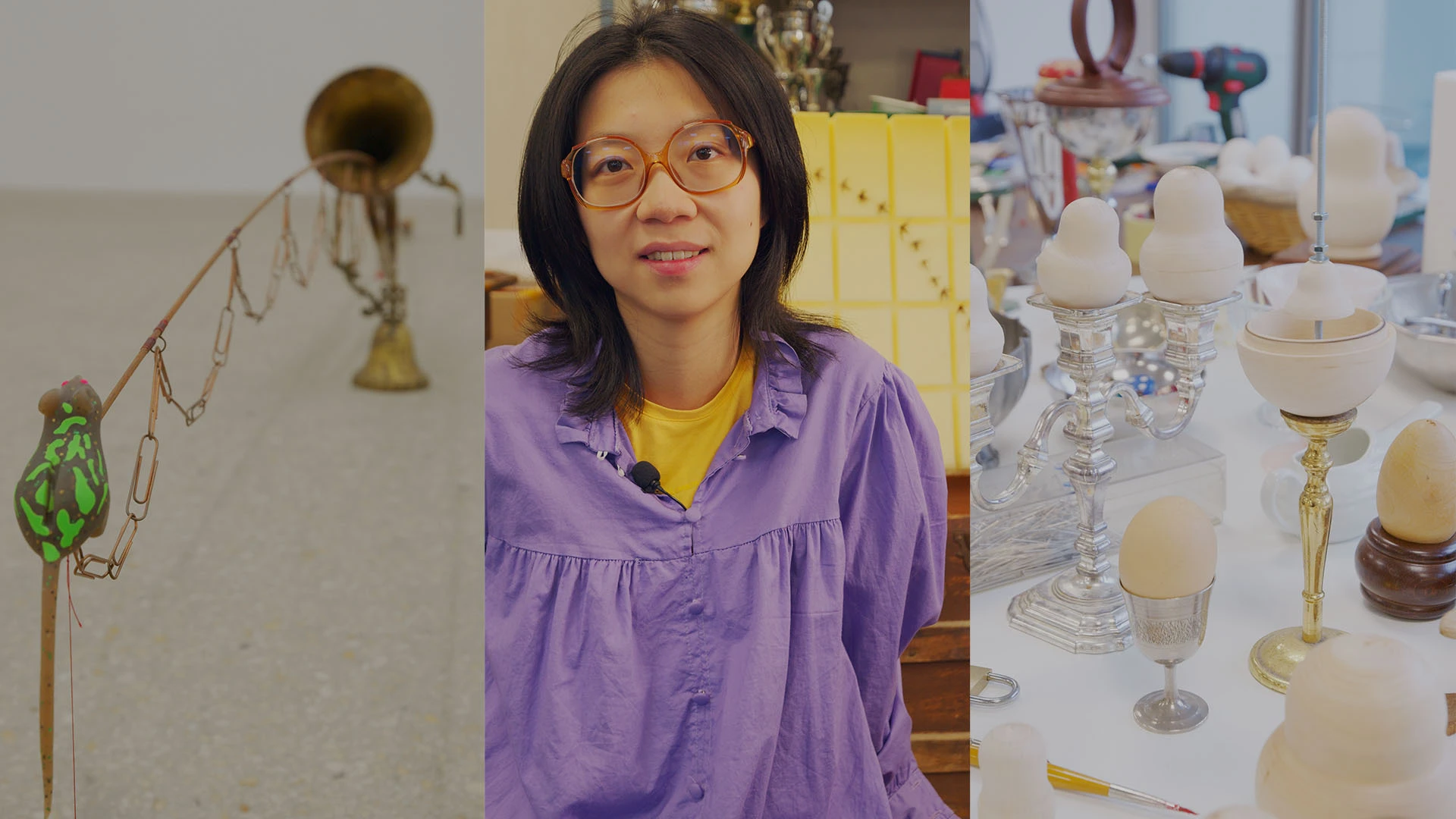
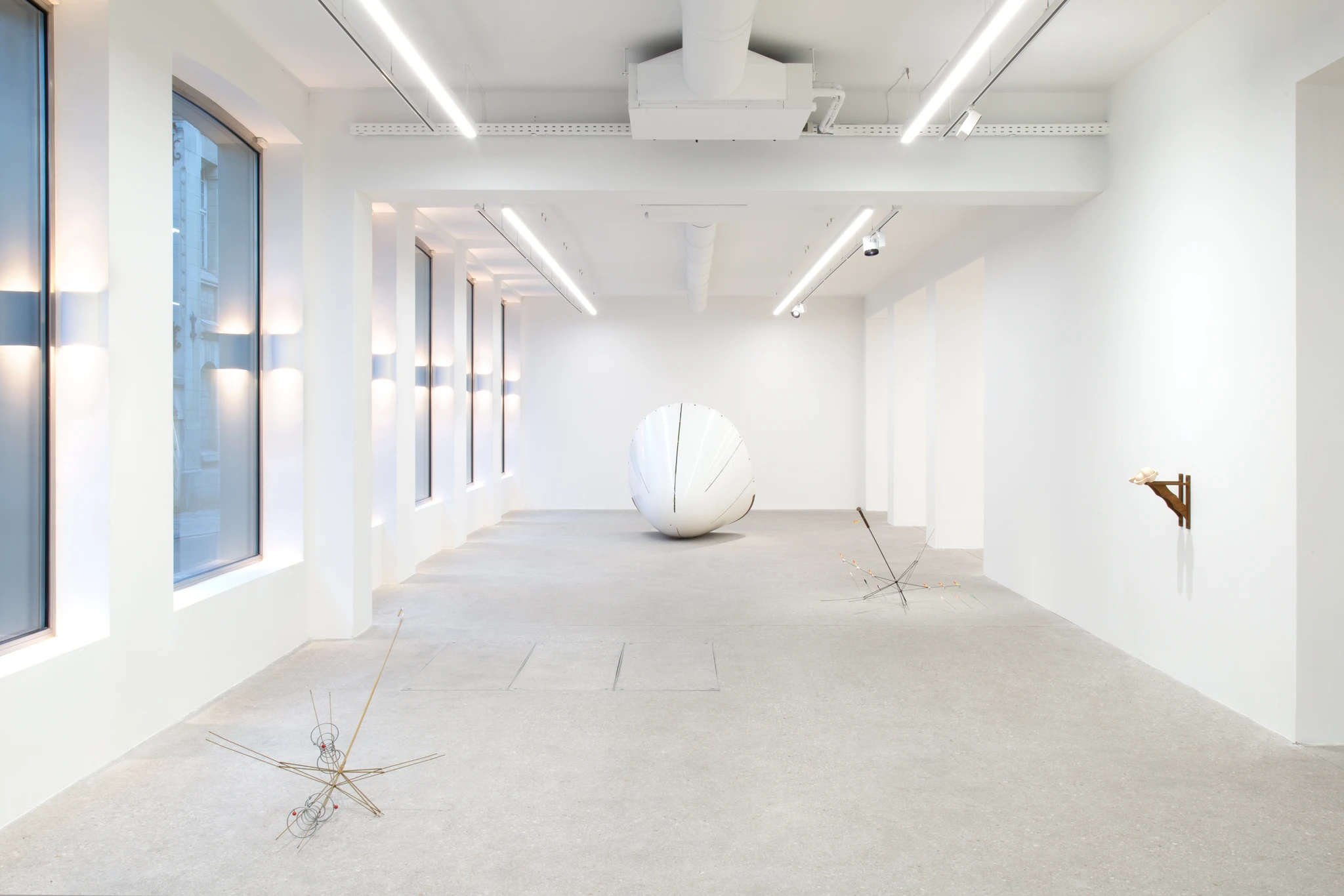
Éternuement télépathique, nez d’avion au centre de l’exposition, retient un éternuement, violent mais contenu. En Chine, éternuer signifie que quelqu’un pense à vous : il devient instrument de télépathie, captant l’angoisse et les pensées de l’artiste. Près de lui, l’œuvre Jumeaux, composée d’un œuf et d’une poupée gigogne, évoque réparation et réincarnation, suggérant que l’avion pourrait avoir été un oiseau dans une vie antérieure.


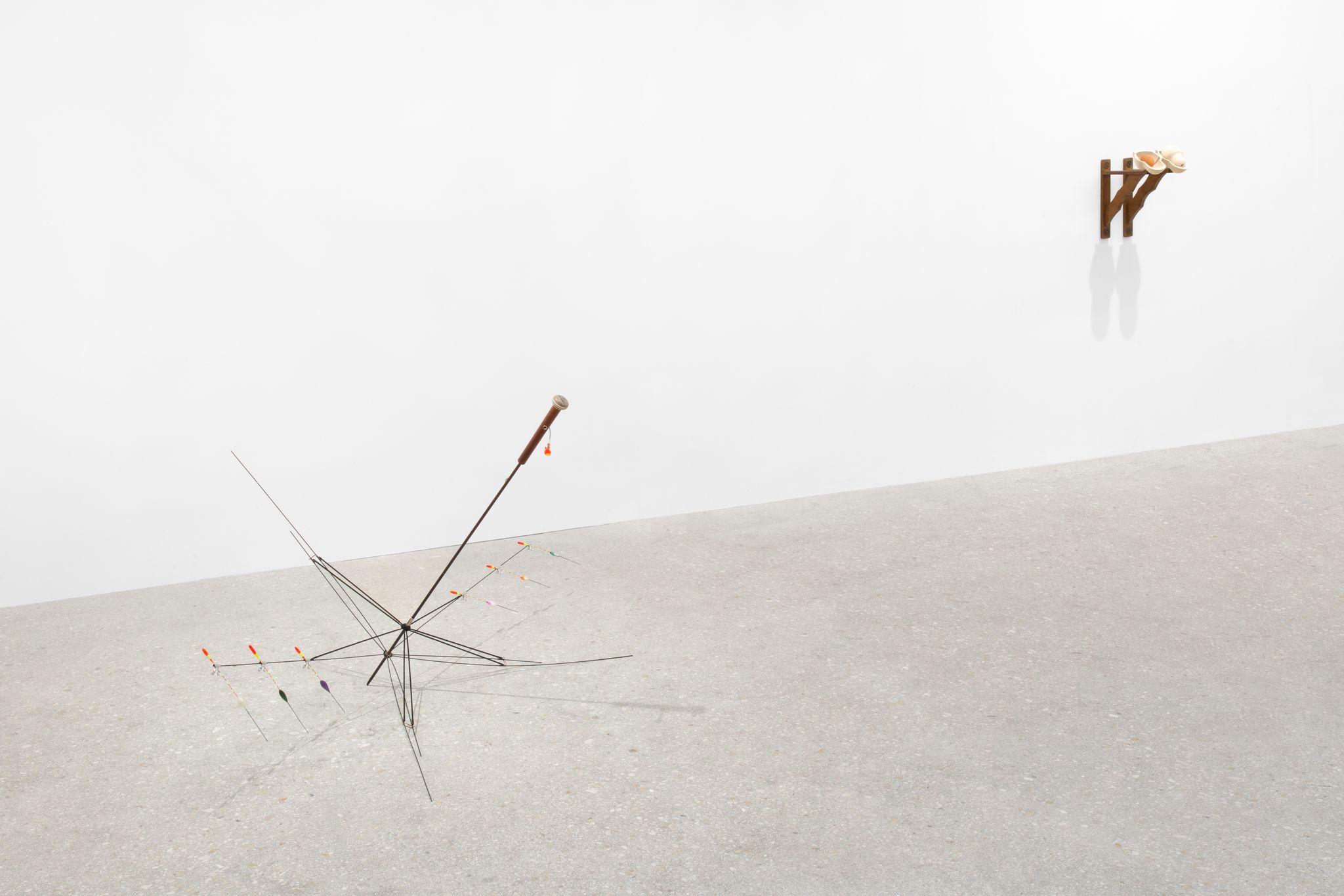
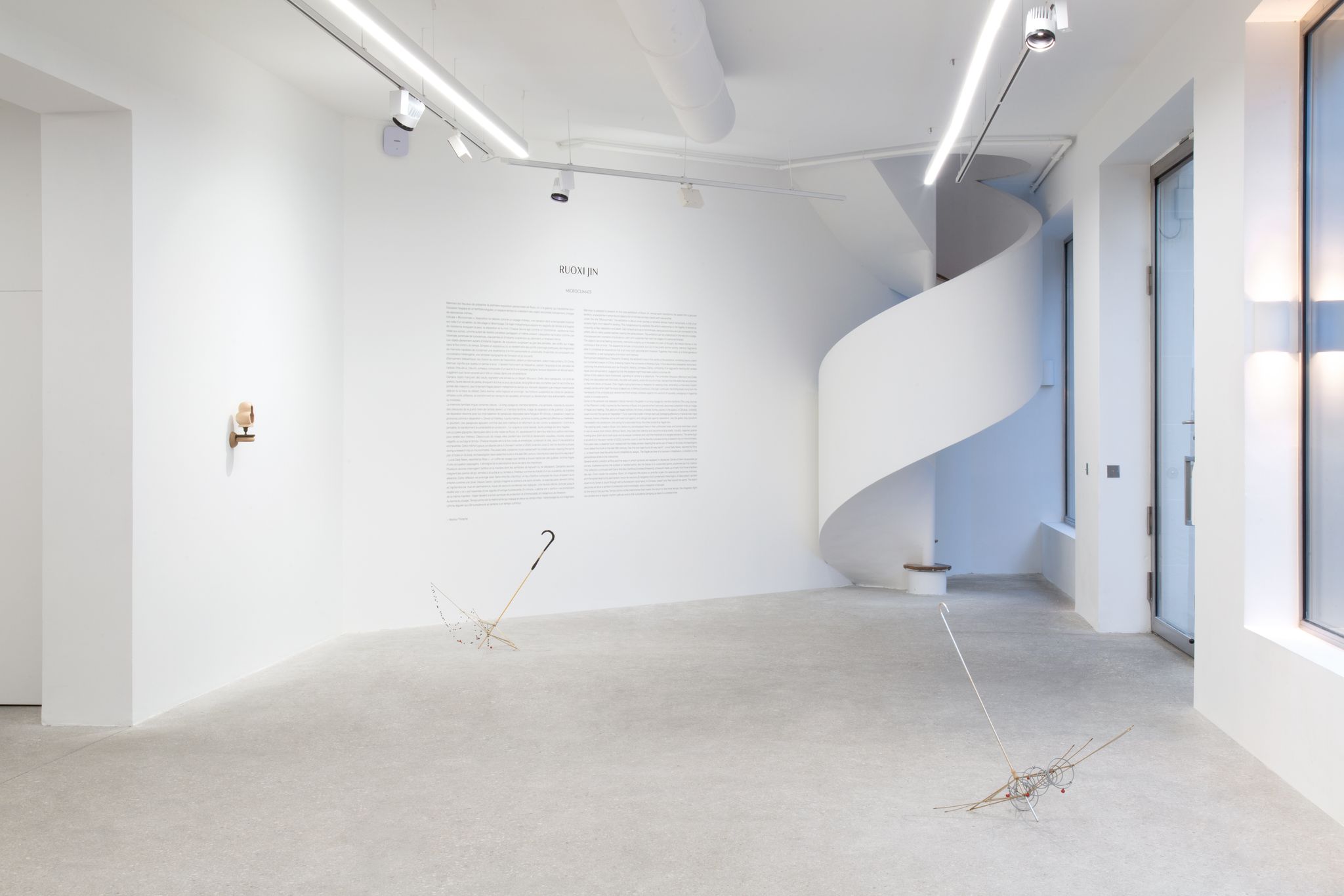
Certains objets marquent des seuils, signalent une arrivée ou un départ. Mousson, Grêle, deux parapluies, l’un orné de grelots, l’autre décoré de perles, évoquent à la fois le bruit de la pluie, de la grêle et des clochettes que l’on accroche aux portes des maisons. Leur tintement fragile devient métaphore du temps qui s’écoule, rappelant que chaque instant porte déjà en lui la trace du départ. Dans Averse, cette logique se prolonge : les flotteurs suspendus au corps du parapluie, simples outils utilitaires, se transforment en vecteurs de causalité, annonçant ou déclenchant des événements, visibles ou invisibles.


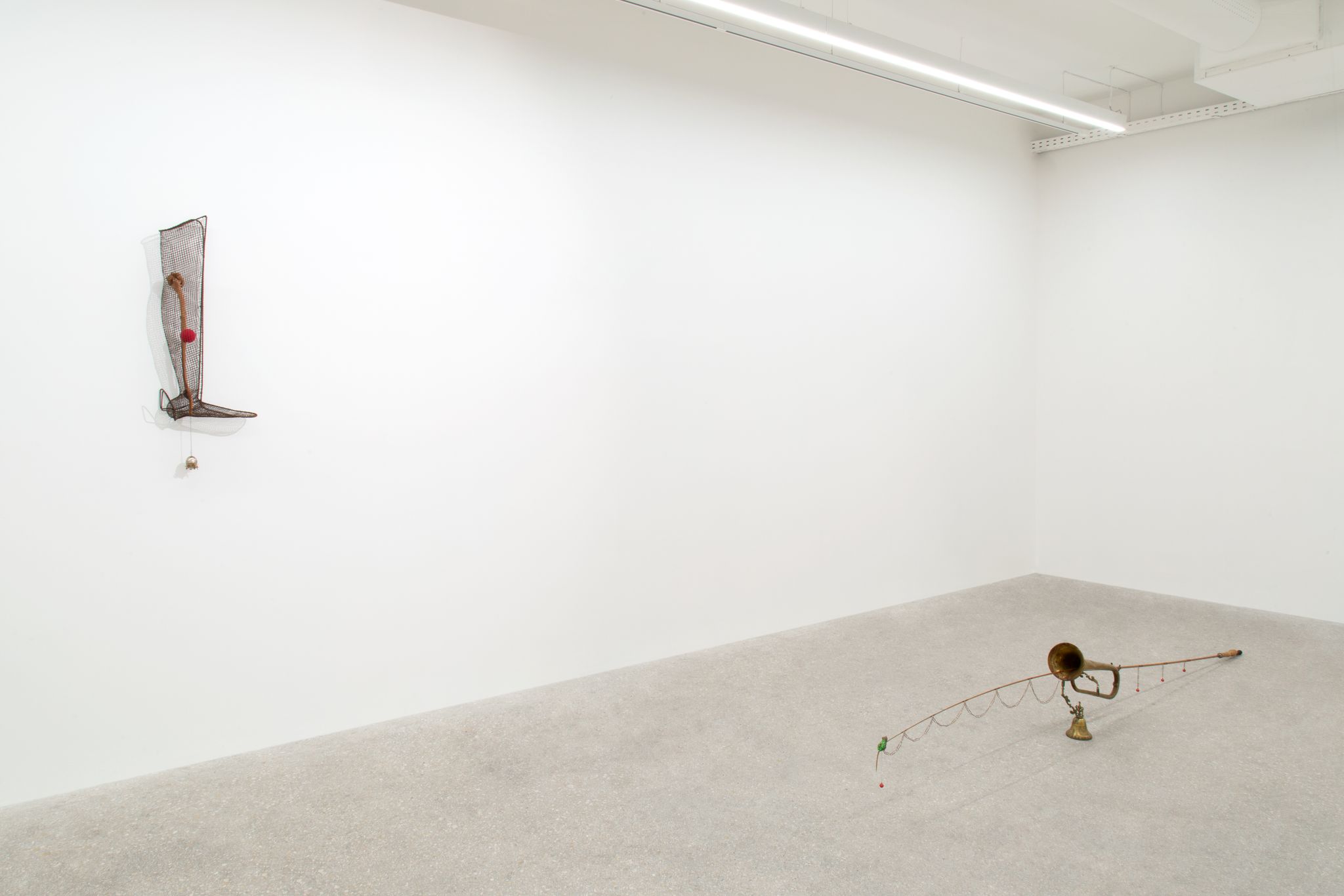
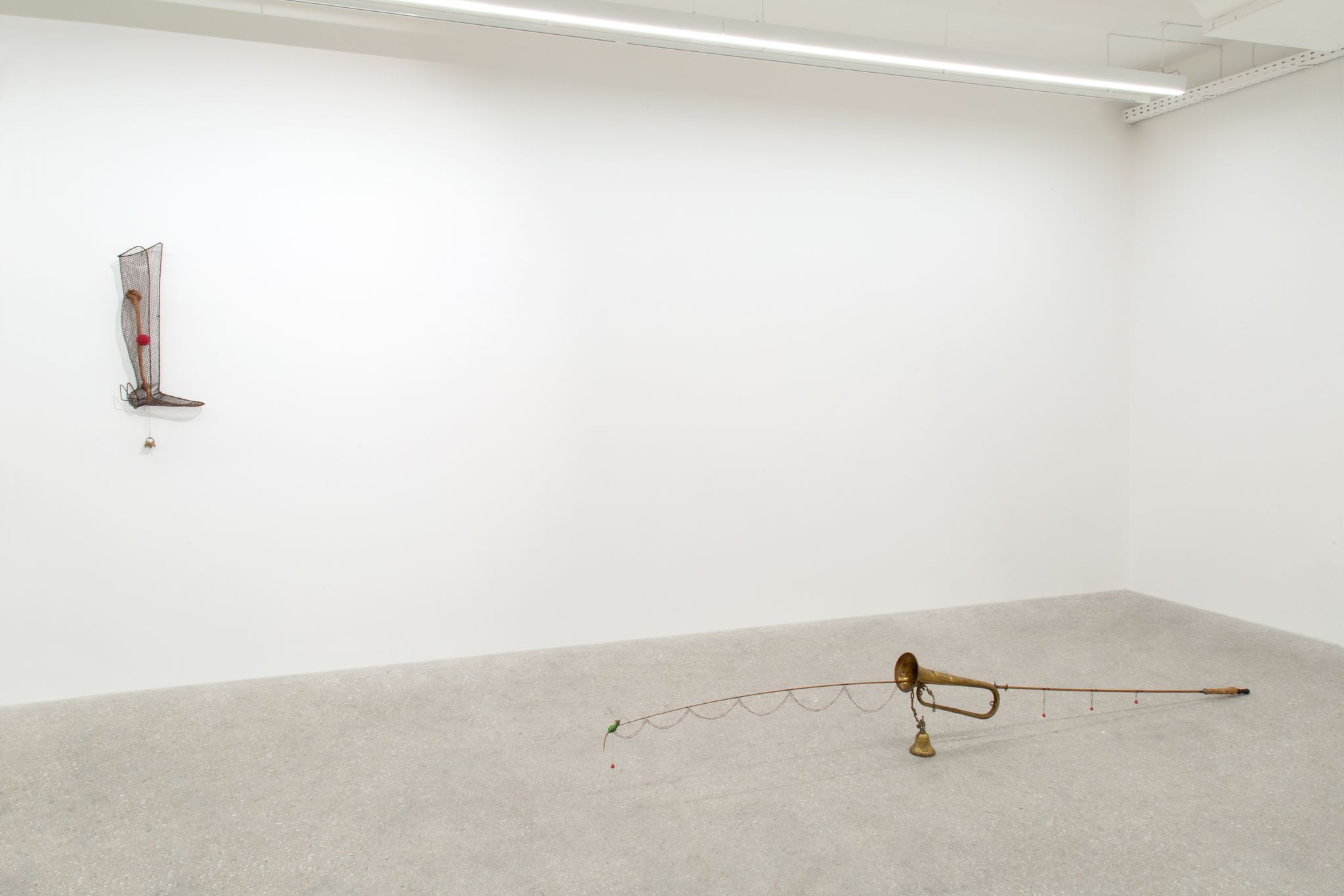
La mémoire familiale irrigue certaines pièces : Le long voyage du membre fantôme, une jambière, inspirée du souvenir des blessures de la grand-mère de l’artiste devient un membre fantôme, image de réparation et de guérison. Ce geste de réparation résonne avec les trois baleines de parapluies disposées dans l’espace. En chinois, « parapluie » (saan) se prononce comme « séparation ». Ouvert à l’intérieur, il porte malheur, annonce la perte, qu’elle soit affective ou matérielle. Ici pourtant, ces parapluies agissent comme des anti-malheurs et reforment du lien contre la séparation. Comme la jambière, ils transforment la vulnérabilité en protection : l’un soigne le corps blessé, l’autre protège les liens fragiles.


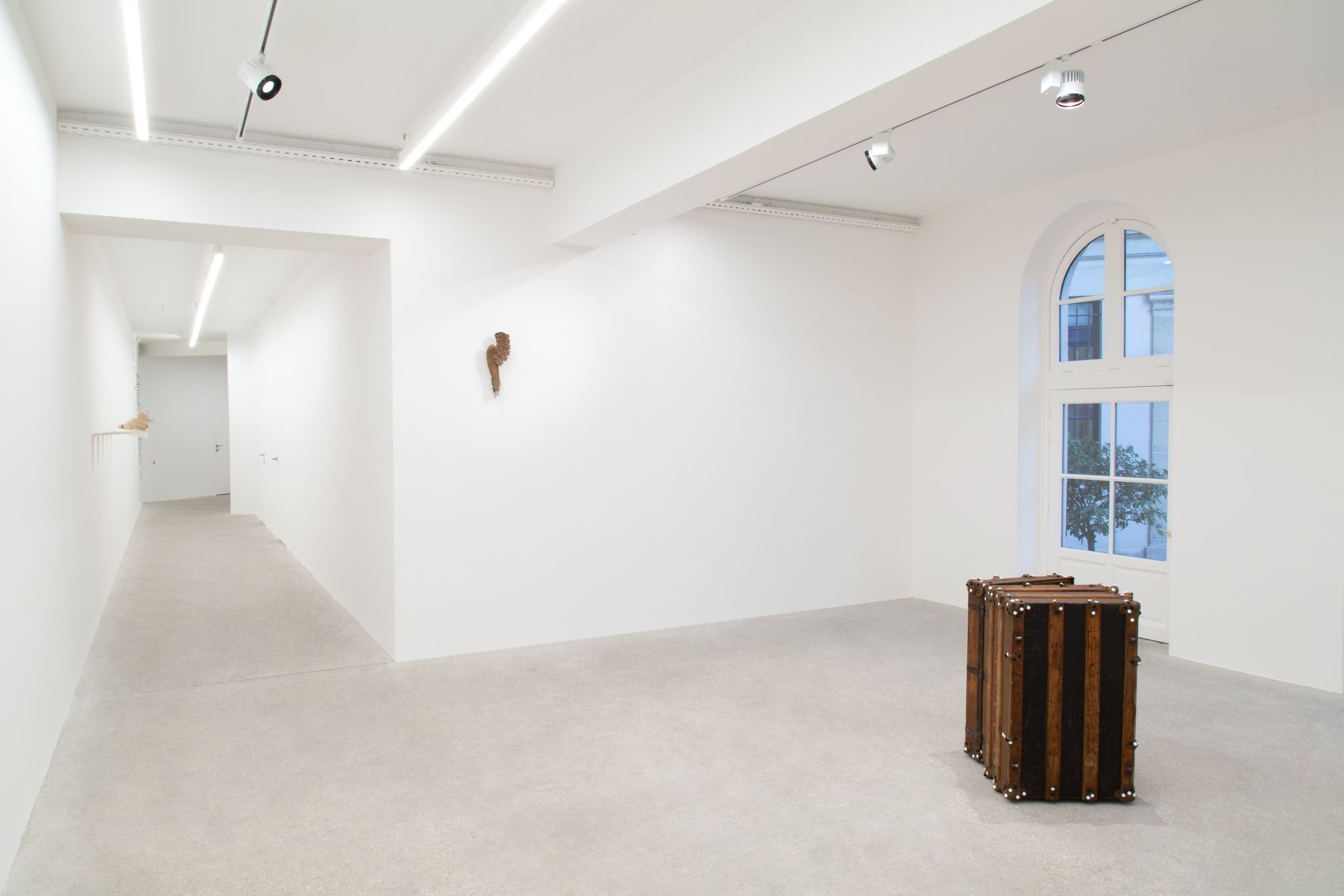
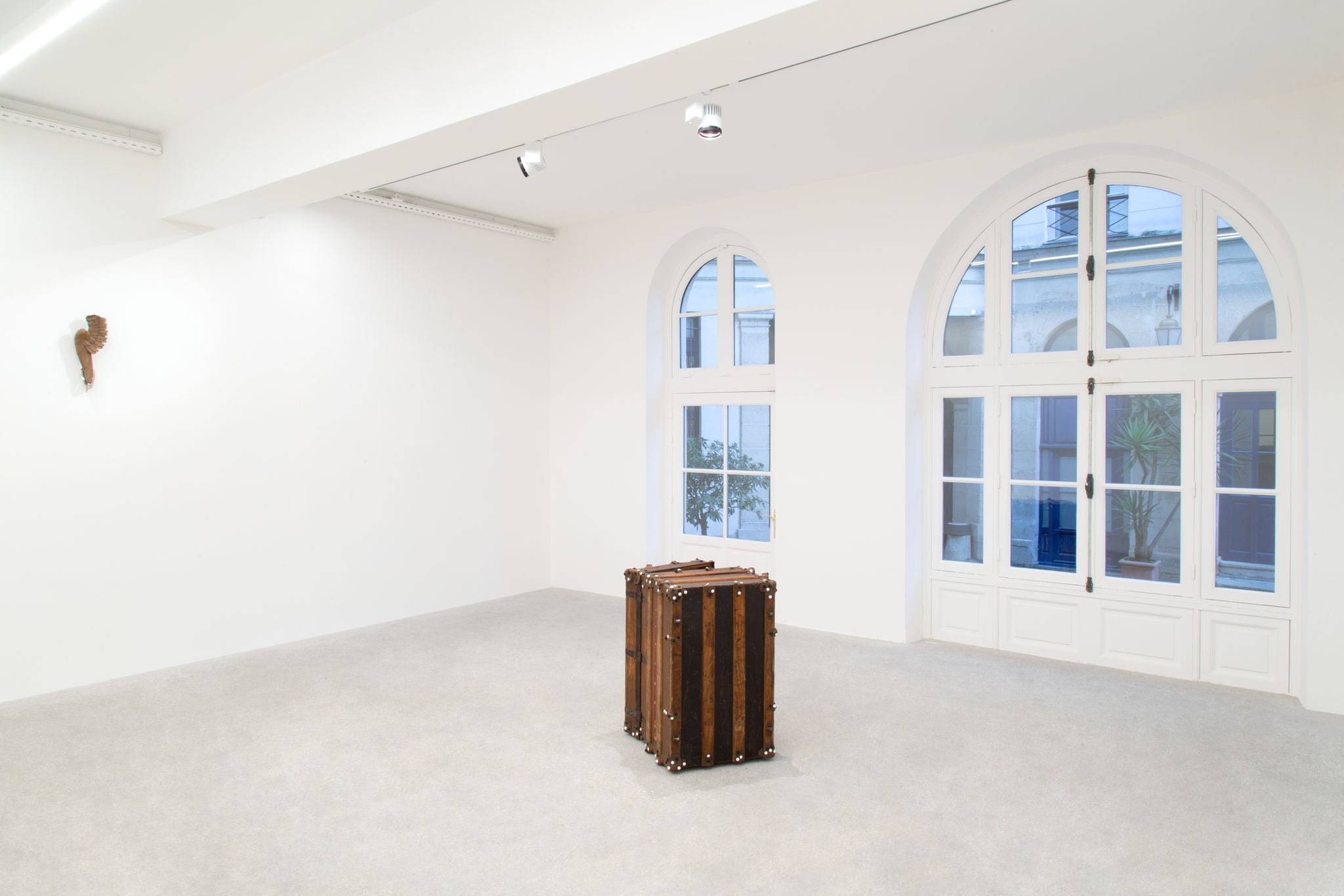
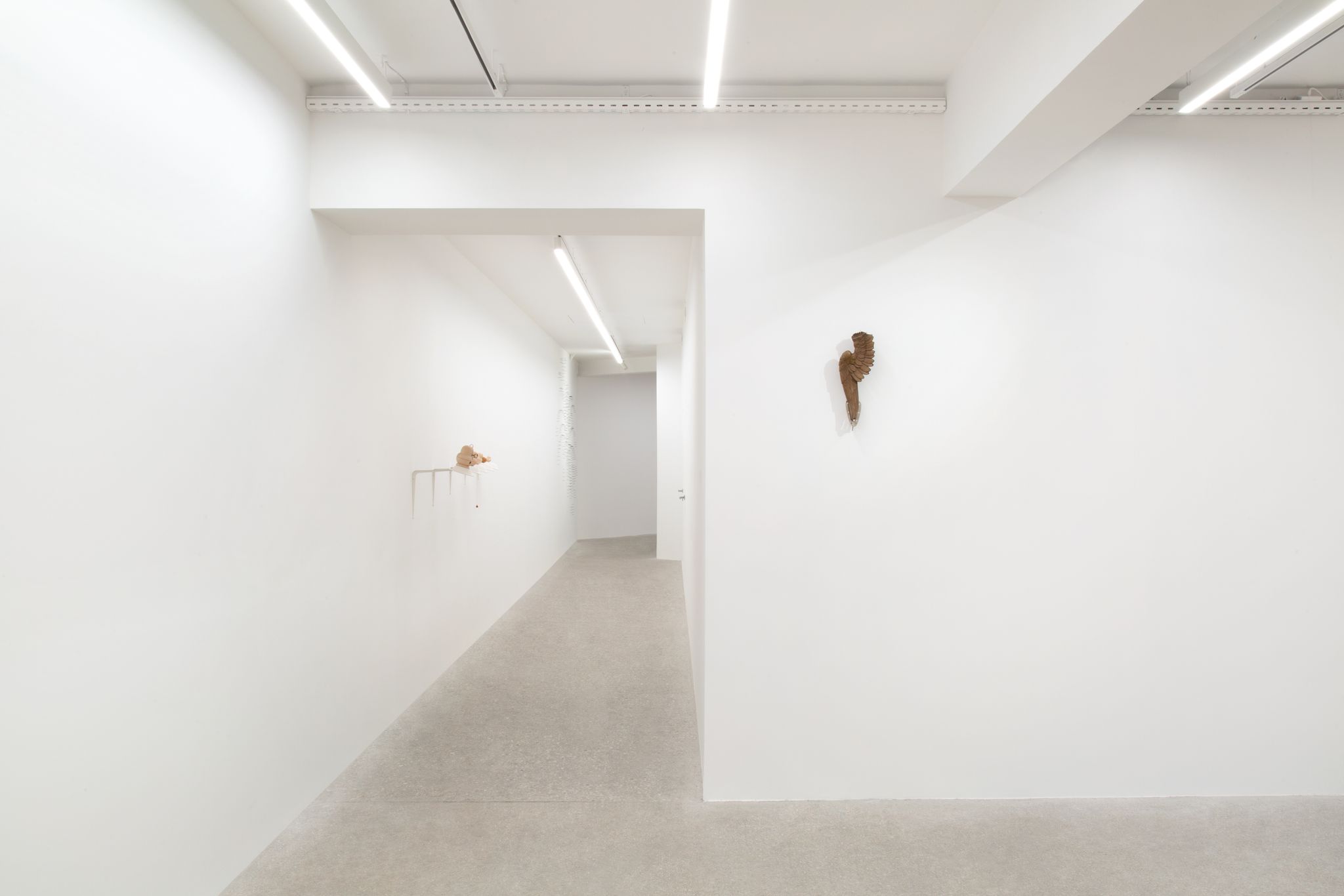
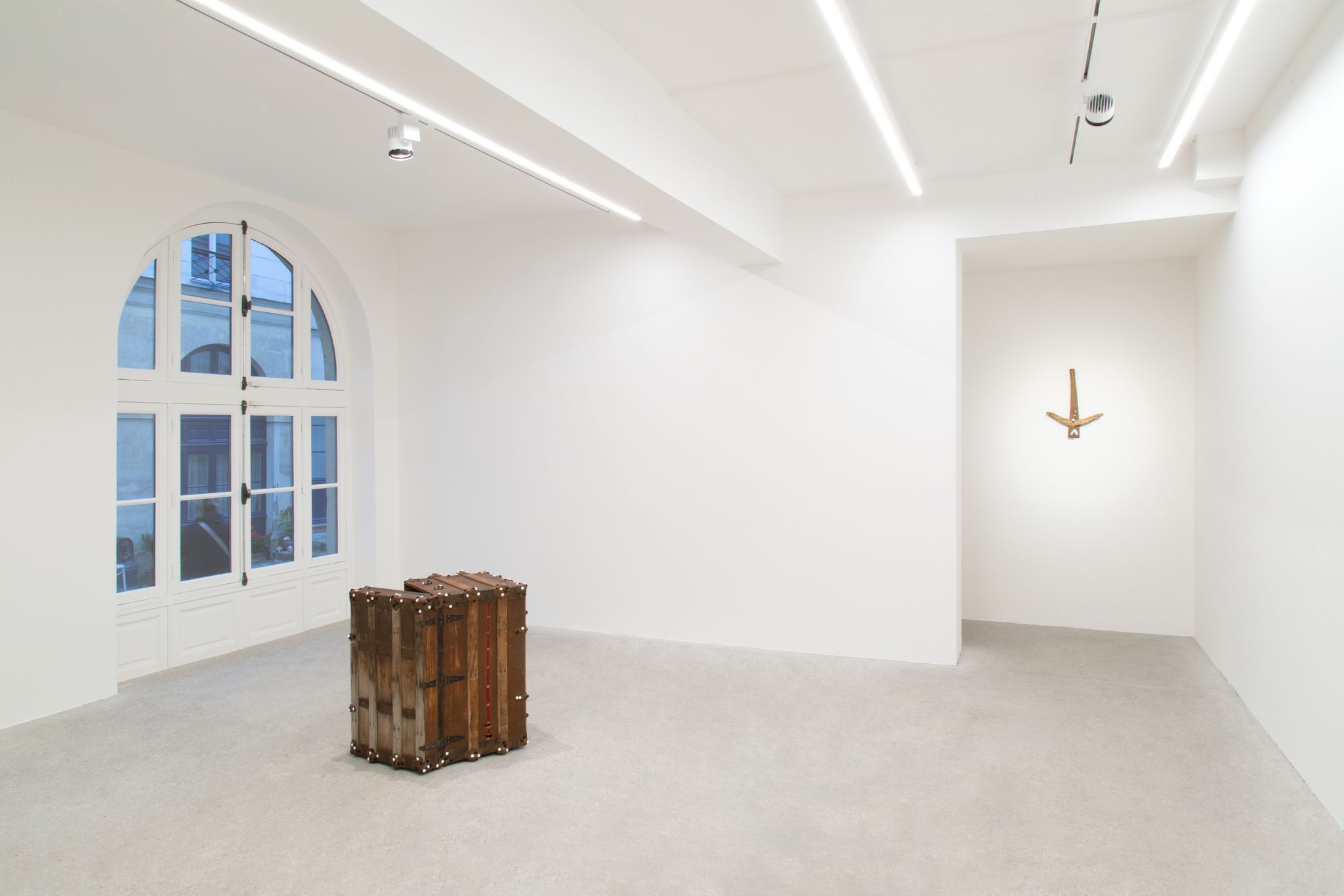
Les poupées gigognes, fabriquées dans la ville natale de Ruoxi Jin, apparaissent ici dans leur état brut, parfois tranchées pour révéler leur intérieur. Dépourvues de visage, elles perdent leur identité et deviennent coquilles, moules, espaces négatifs où se loge le temps. Chaque poupée est à la fois corps et enveloppe, contenant et vide, seuil d’une existence enchevêtrée. Cette même logique se déploie dans In the warm winter of 2020, scientist Juoxi G. lost his favorite suitcase during a research trip on microclimates. Five years later, a steamer trunk marked with his initials arrived—bearing the same pair of holes on its body. Archaeologists have dated the trunk to the late 19th century. Has the lost case found its way back? - Local Daily News, reported by Rosy J., un coffre de voyage que l’artiste a trouvé habité par des guêpes. Archive fragile d’une occupation passagère, il témoigne de la persistance de la vie dans les interstices.


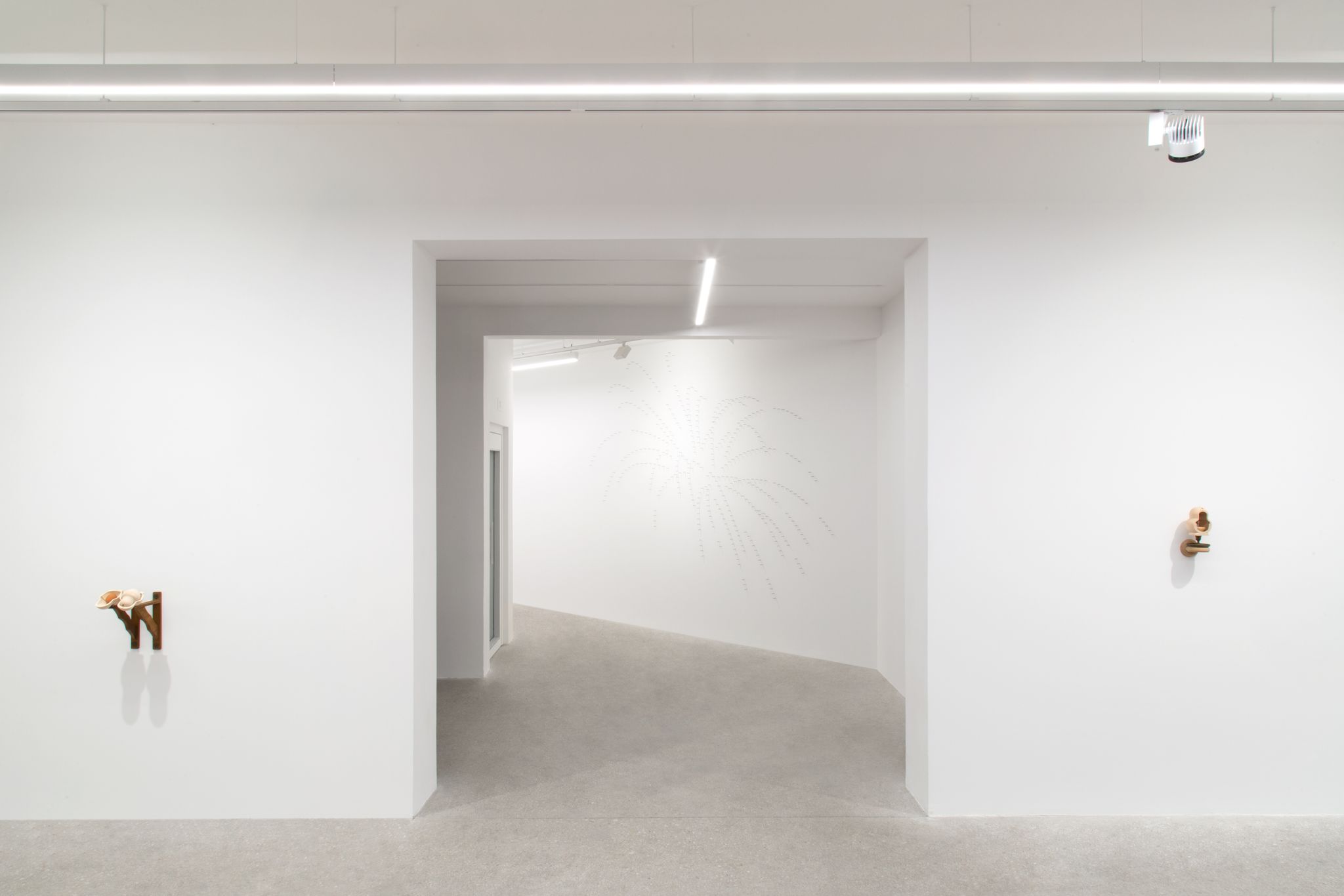
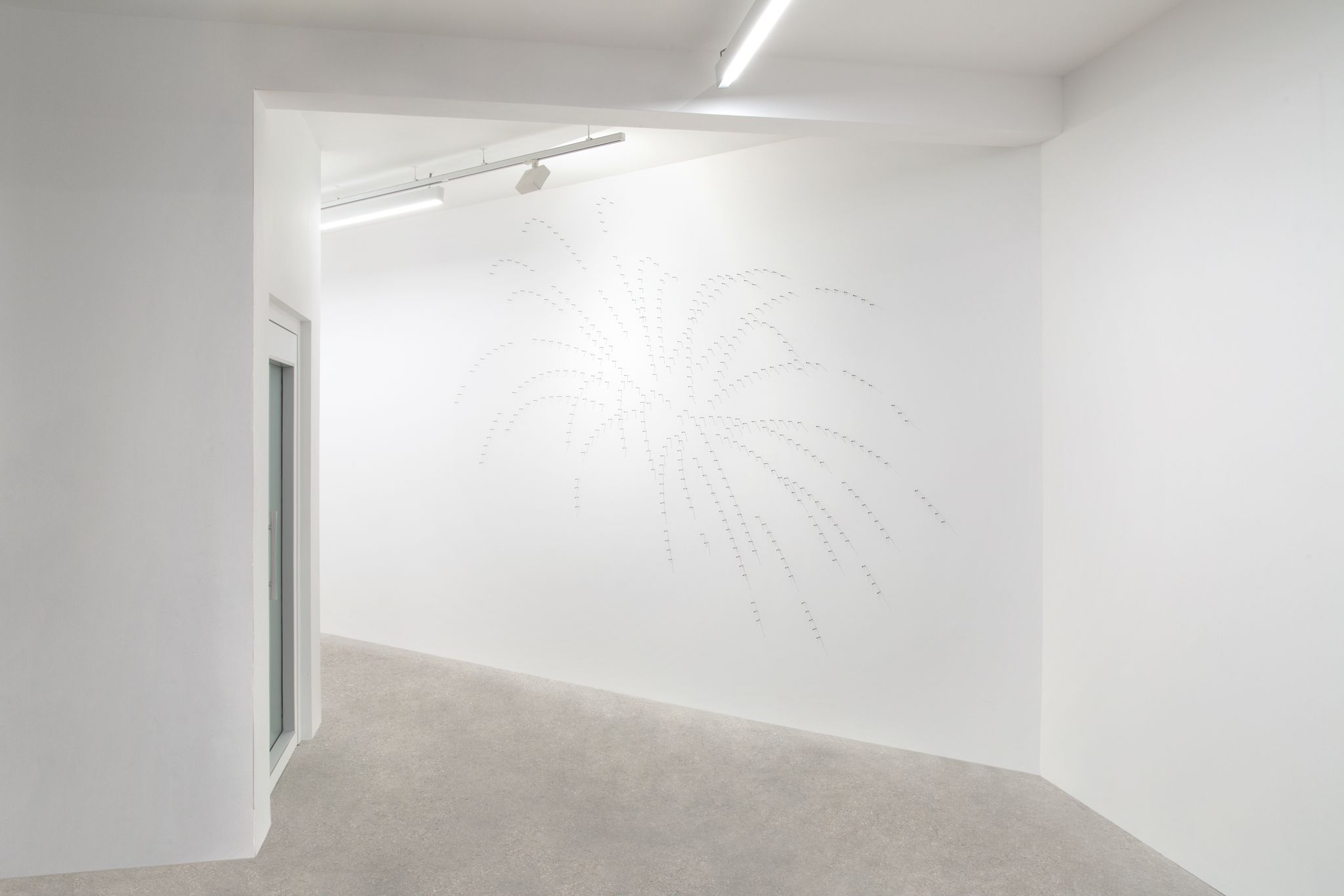
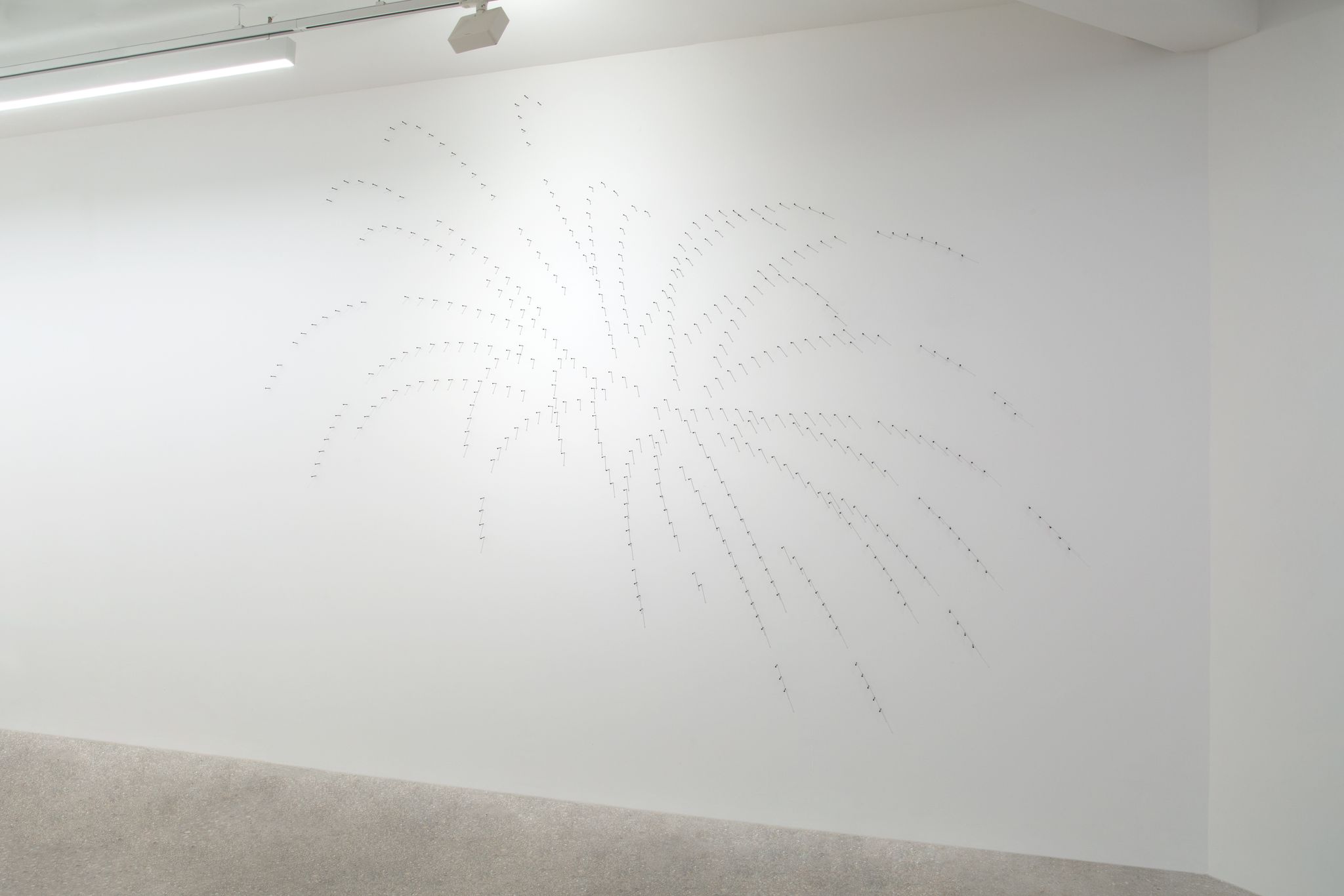
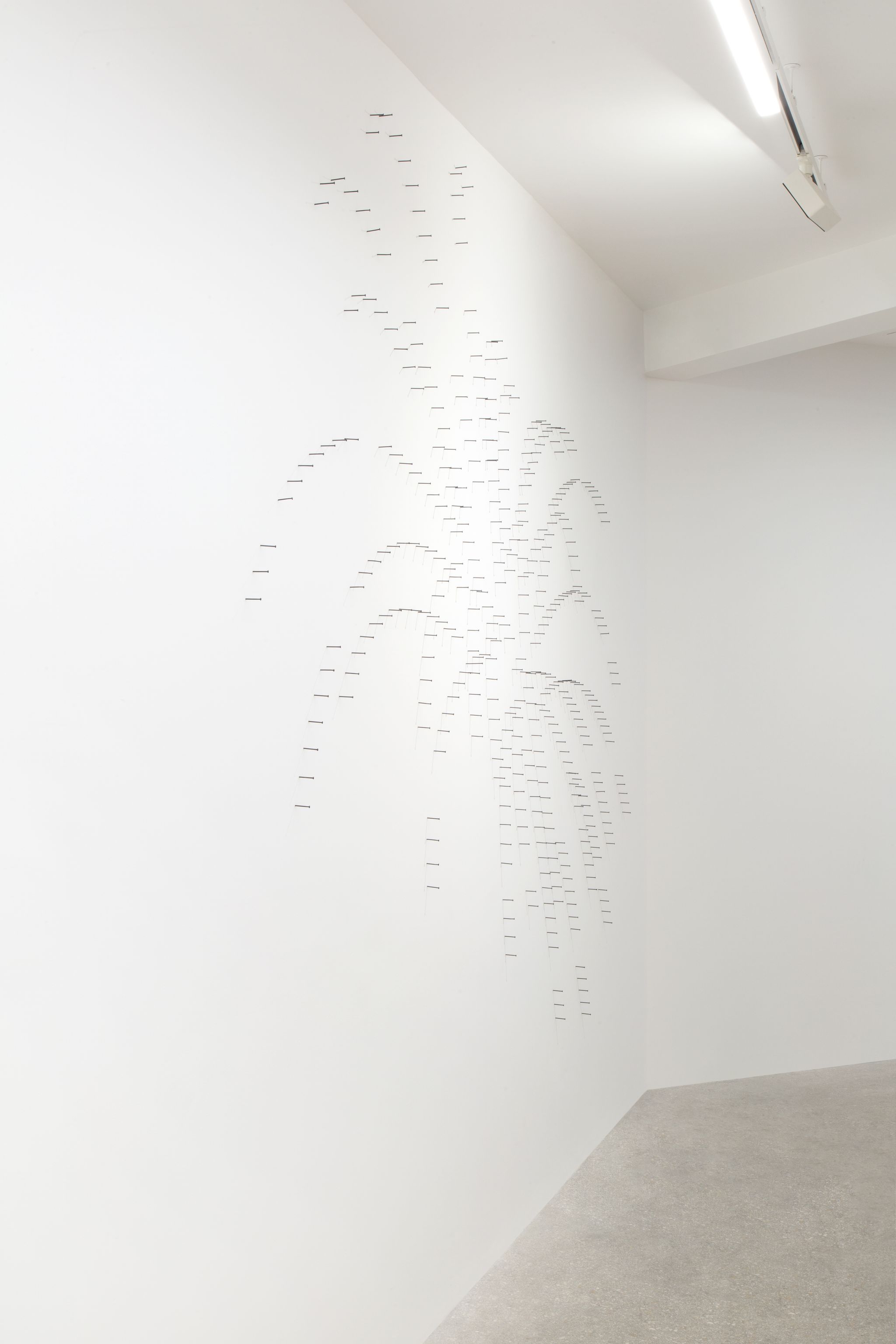
Plusieurs œuvres interrogent l’artifice et la manière dont les symboles se rejouent ou se déplacent. Certaines œuvres intègrent des pierres de go, semées à la surface ou nichées à l’intérieur comme les traces d’un jeu suspendu, de manière aléatoire. Cette réflexion se prolonge avec Sans-titre (feu d’artifice), un feu d’artifice composé de clous projetant leurs ombres comme une pluie. Depuis l’avion, l’artiste imagine la scène à une autre échelle : le spectaculaire devient intime, et l’éphémère se mue en permanence. Issue de secours condense ces logiques. Une fausse pêche, poncée jusqu’à révéler son « os » est traversée d’une aiguille d’horloge fluorescente. En chinois, « pêche » et « s’enfuir » se prononcent de la même manière : l’objet devient à la fois symbole de protection et d’immortalité, et métaphore de l’évasion.


Au terme du voyage, Tempo primo est le métronome qui marque le retour au tempo initial : l’atterrissage du vol imaginaire, rythme régulier qui clôt turbulences et ramène à un temps commun.


— Marilou Thirache
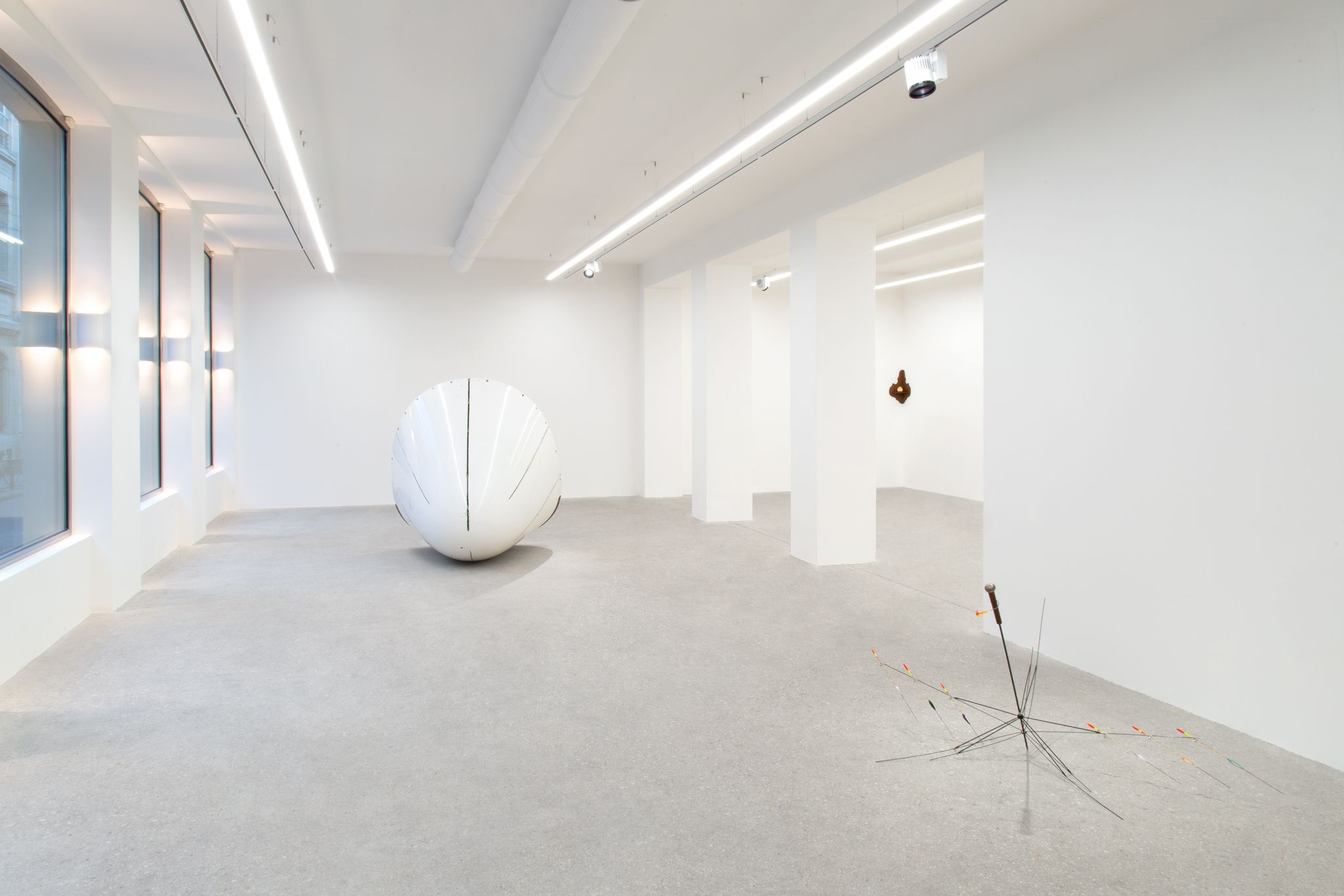
Éternuement télépathique [Telepathic Sneeze], the airplane’s nose in the centre of the exhibition, is holding back a violent but contained sneeze. In China, sneezing means that someone is thinking of you. It thus becomes a telepathic instrument, capturing the artist’s anxiety and her thoughts. Nearby, Jumeaux [Twins], consisting of an egg and a nesting doll, evokes repair and reincarnation, suggesting that the airplane might have been a bird in a former life.


Some of the objects trace thresholds, signaling an arrival or a departure. The umbrellas Mousson [Monson] and Grêle [Hail], one decorated with little bells, the other with pearls, evoke the sound of rain, hail and the little bells that are attached to the front doors of houses. Their fragile jingling becomes a metaphor for passing time, reminding us that every instant already carries within itself the trace of departure. In Averse [Downpour], this logic continues: the fishing floats hung from the framework of the umbrella are transformed from simple utilitarian objects into vectors of causality, presaging or triggering visible or invisible events. Some of the artworks are steeped in family memory: the gaiter in Le long voyage du membre fantôme [The Long Journey of the Phantom Limb], inspired by the memory of Ruoxi Jin’s grandmother’s wounds, becomes a phantom limb, an image of repair and healing. This gesture of repair echoes the three umbrella frames placed in the space. In Chinese, ‘umbrella’ (saan) sounds the same as ‘separation’. If you open one inside, it brings bad luck, presaging affective or material loss. Here however, these umbrellas act as anti-bad luck agents and reforge ties against separation. Like the gaiter, they transform vulnerability into protection: one caring for a wounded body, the other protecting fragile ties.


The nesting dolls, made in Ruoxi Jin’s native city, are displayed here in their unfinished state, and some have been sliced in two to reveal their interior. Without faces, they lose their identity and become empty shells, moulds, negative spaces holding time. Each doll is both body and envelope, container and void, the threshold of a tangled existence. The same logic is at work in In the warm winter of 2020, scientist Juoxi G. lost his favorite suitcase during a research trip on microclimates. Five years later, a steamer trunk marked with his initials arrived—bearing the same pair of holes on its body. Archaeologists have dated the trunk to the late 19th century. Has the lost case found its way back? - Local Daily News, reported by Rosy J., a travel trunk that the artist found inhabited by wasps. The fragile archive of a transient inhabitation, it testifies to the persistence of life in the interstices.


Several works question artifice and the ways in which symbols are replayed or displaced. Some of them incorporate go stones, scattered across the surface or nestled within, like the traces of a suspended game, positioned as if by chance. This reflection continues with Sans-titre (feu d’artifice) [Untitled (Firework)], a firework made up of nails that throw shadows like rain. From inside the airplane, Ruoxi Jin imagines the scene on another scale: the spectacular


becomes intimate, and the ephemeral turns permanent. Issue de secours [Emergency Exit] condenses these logics. A false peach, sanded down to its ‘bone’ is stuck through with a fluorescent clock hand. In Chinese, ‘peach’ and ‘flee’ sound the same. The object becomes at once a symbol of protection and immortality, and a metaphor of escape. At the end of the journey, Tempo primo is the metronome that marks the return to the initial tempo: the imaginary flight has landed and a regular rhythm calls an end to the turbulence, bringing us back to a shared time.


— Marilou Thirache
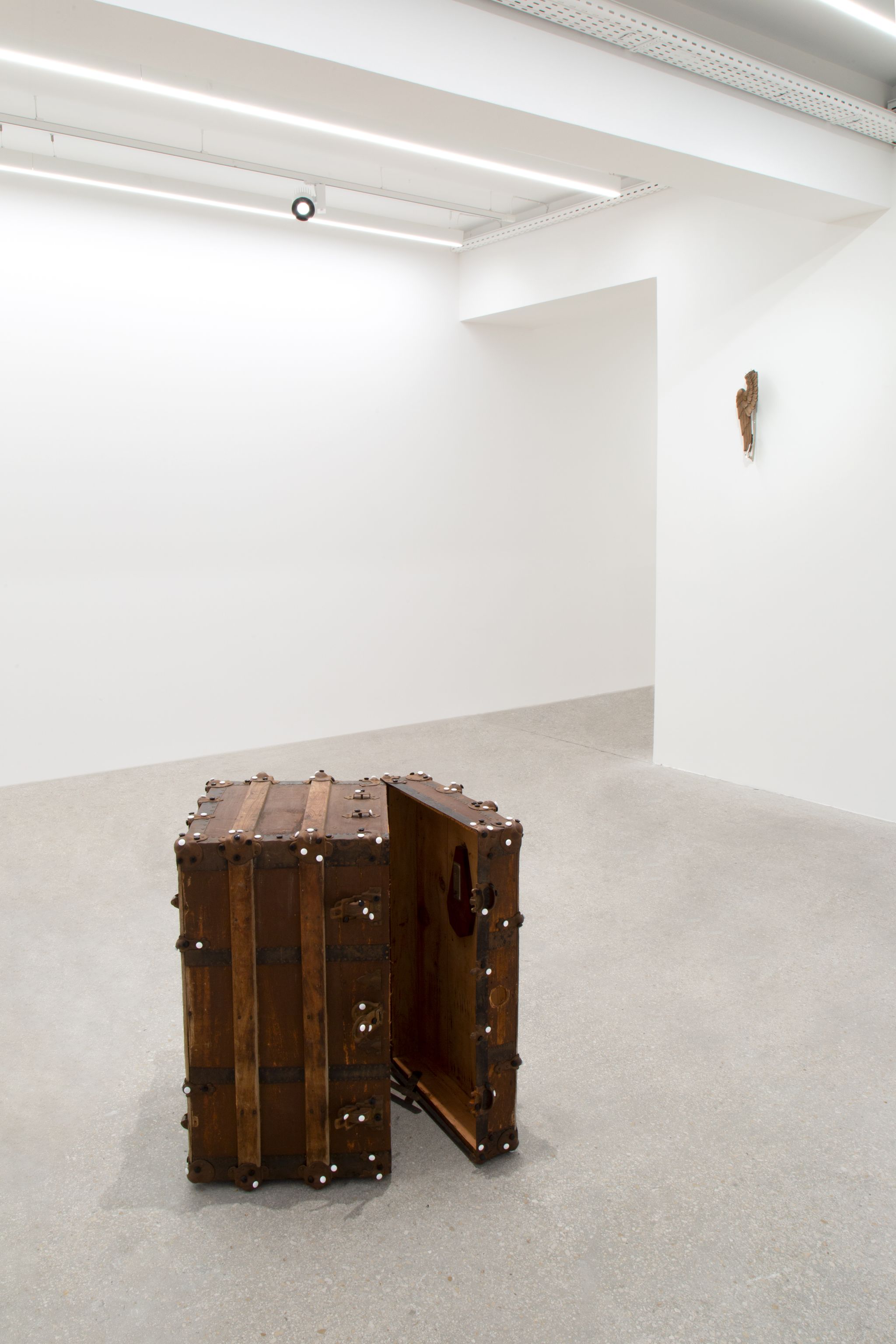
The nesting dolls, made in Ruoxi Jin’s native city, are displayed here in their unfinished state, and some have been sliced in two to reveal their interior. Without faces, they lose their identity and become empty shells, moulds, negative spaces holding time. Each doll is both body and envelope, container and void, the threshold of a tangled existence. The same logic is at work in In the warm winter of 2020, scientist Juoxi G. lost his favorite suitcase during a research trip on microclimates. Five years later, a steamer trunk marked with his initials arrived—bearing the same pair of holes on its body. Archaeologists have dated the trunk to the late 19th century. Has the lost case found its way back? - Local Daily News, reported by Rosy J., a travel trunk that the artist found inhabited by wasps. The fragile archive of a transient inhabitation, it testifies to the persistence of life in the interstices.


Several works question artifice and the ways in which symbols are replayed or displaced. Some of them incorporate go stones, scattered across the surface or nestled within, like the traces of a suspended game, positioned as if by chance. This reflection continues with Sans-titre (feu d’artifice) [Untitled (Firework)], a firework made up of nails that throw shadows like rain. From inside the airplane, Ruoxi Jin imagines the scene on another scale: the spectacular


becomes intimate, and the ephemeral turns permanent. Issue de secours [Emergency Exit] condenses these logics. A false peach, sanded down to its ‘bone’ is stuck through with a fluorescent clock hand. In Chinese, ‘peach’ and ‘flee’ sound the same. The object becomes at once a symbol of protection and immortality, and a metaphor of escape. At the end of the journey, Tempo primo is the metronome that marks the return to the initial tempo: the imaginary flight has landed and a regular rhythm calls an end to the turbulence, bringing us back to a shared time.


— Marilou Thirache