Soudain dans la forêt profonde
17 févr. - 26 mars 2022
Mennour, 47 rue Saint-André-des-Arts
Mennour, 28 avenue Matignon
There are places that rustle with whispers.
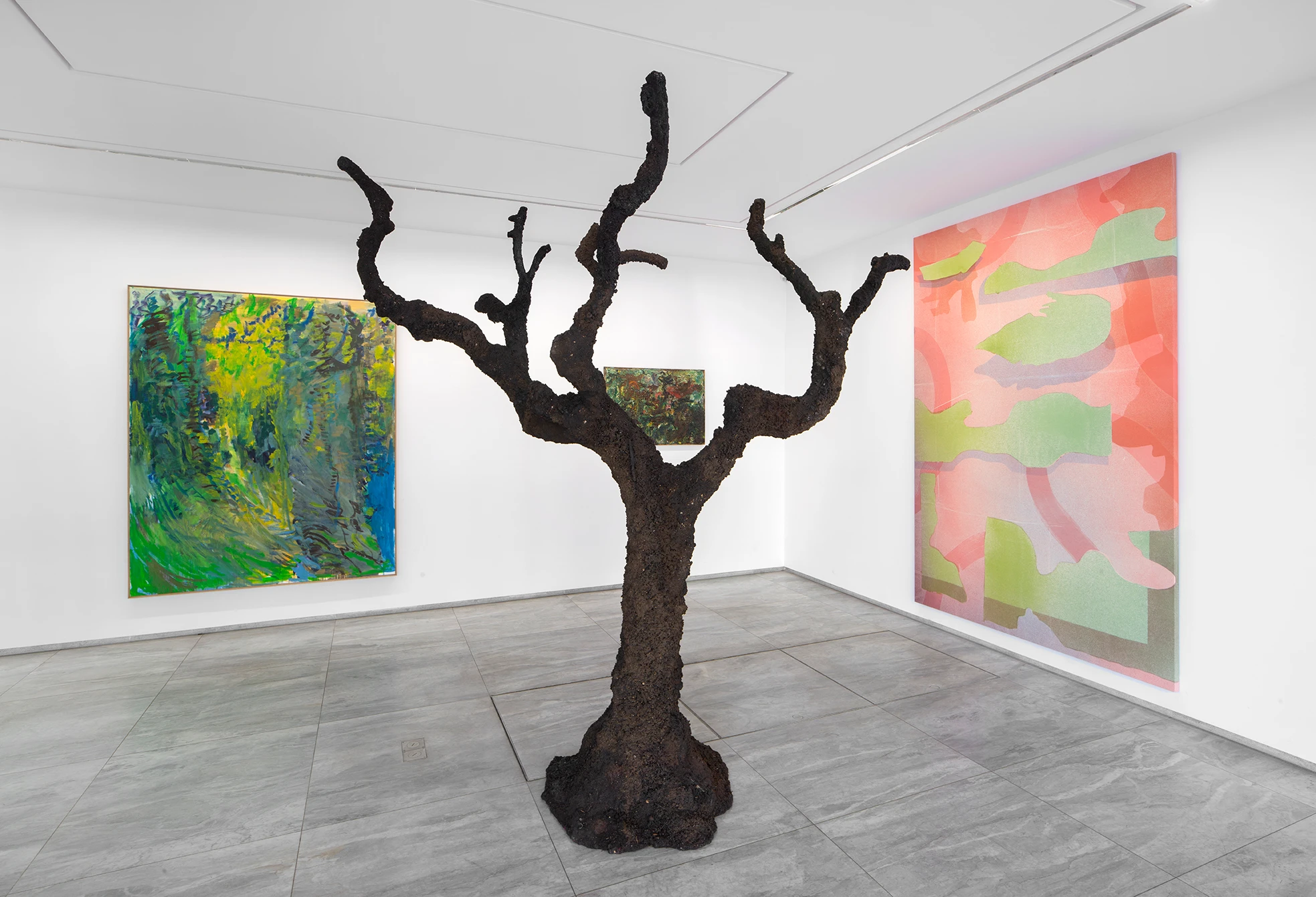
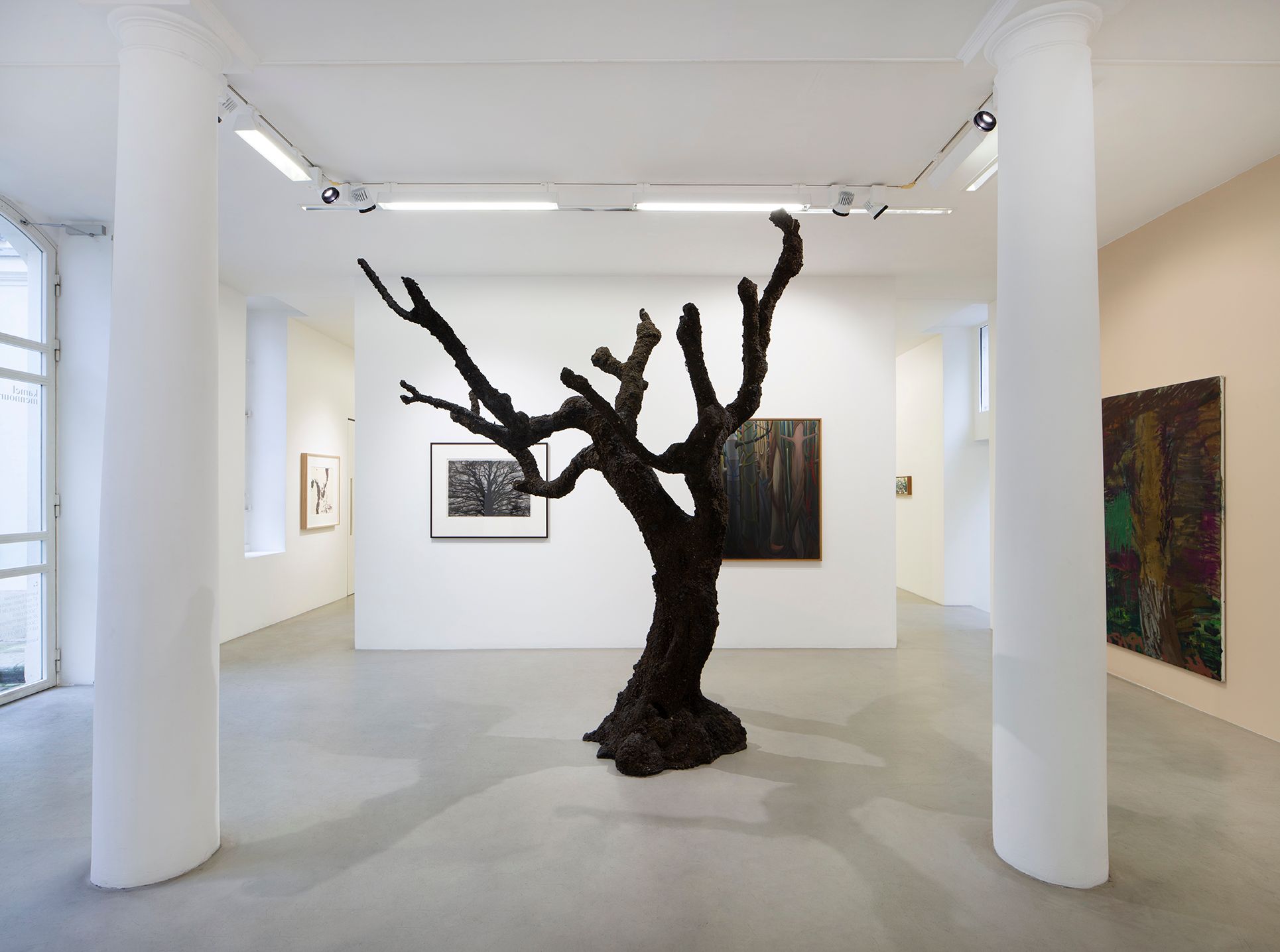
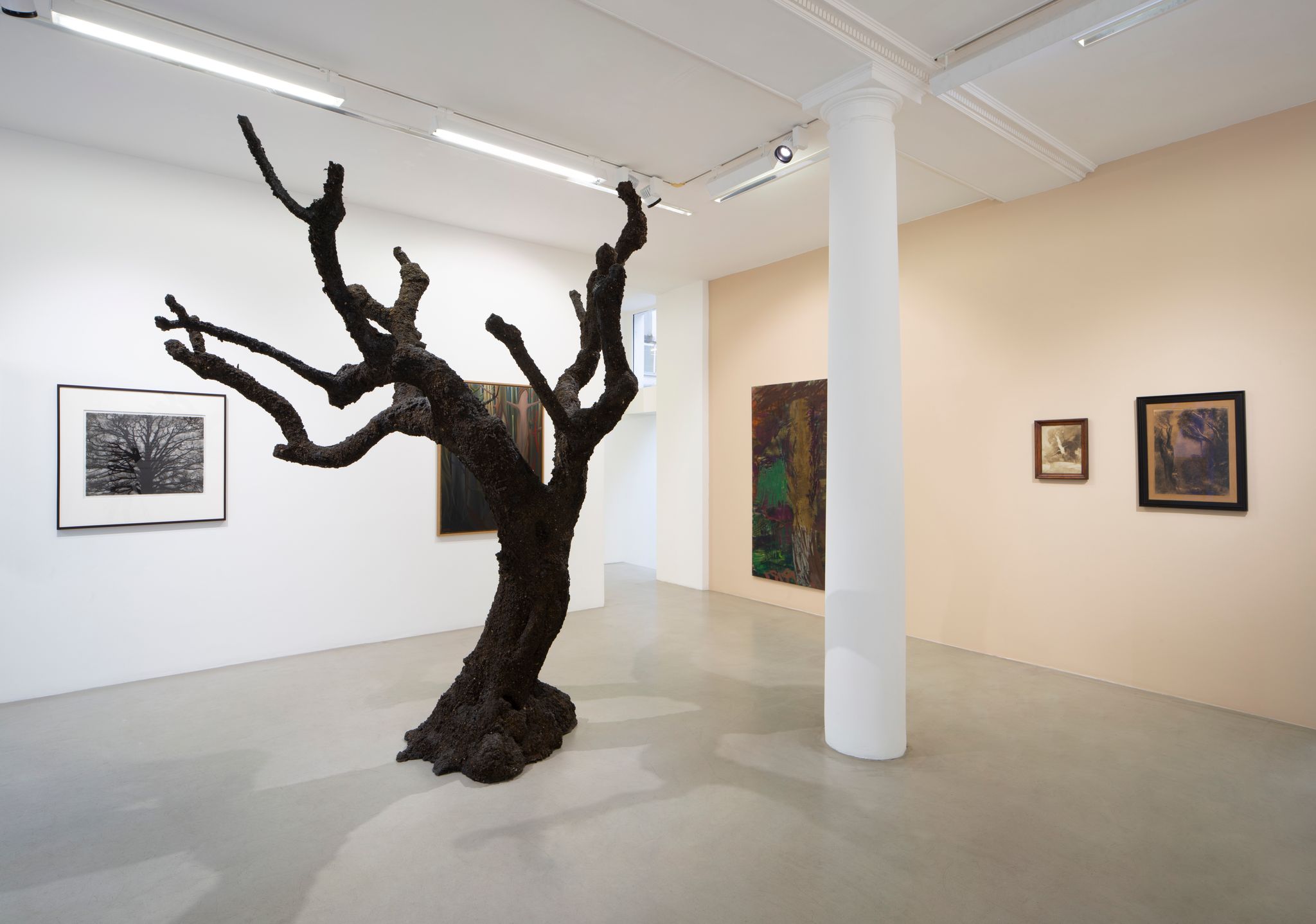
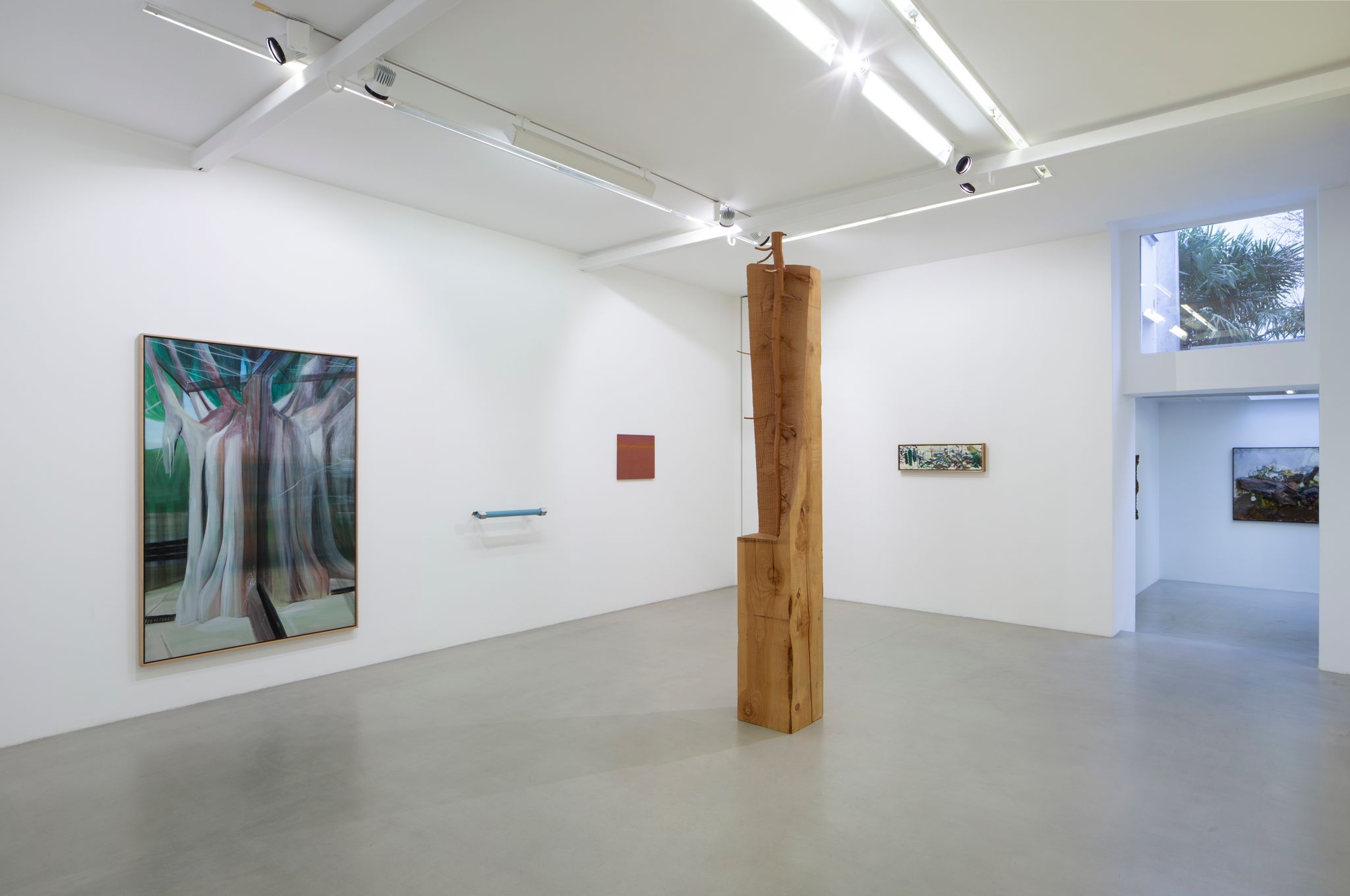
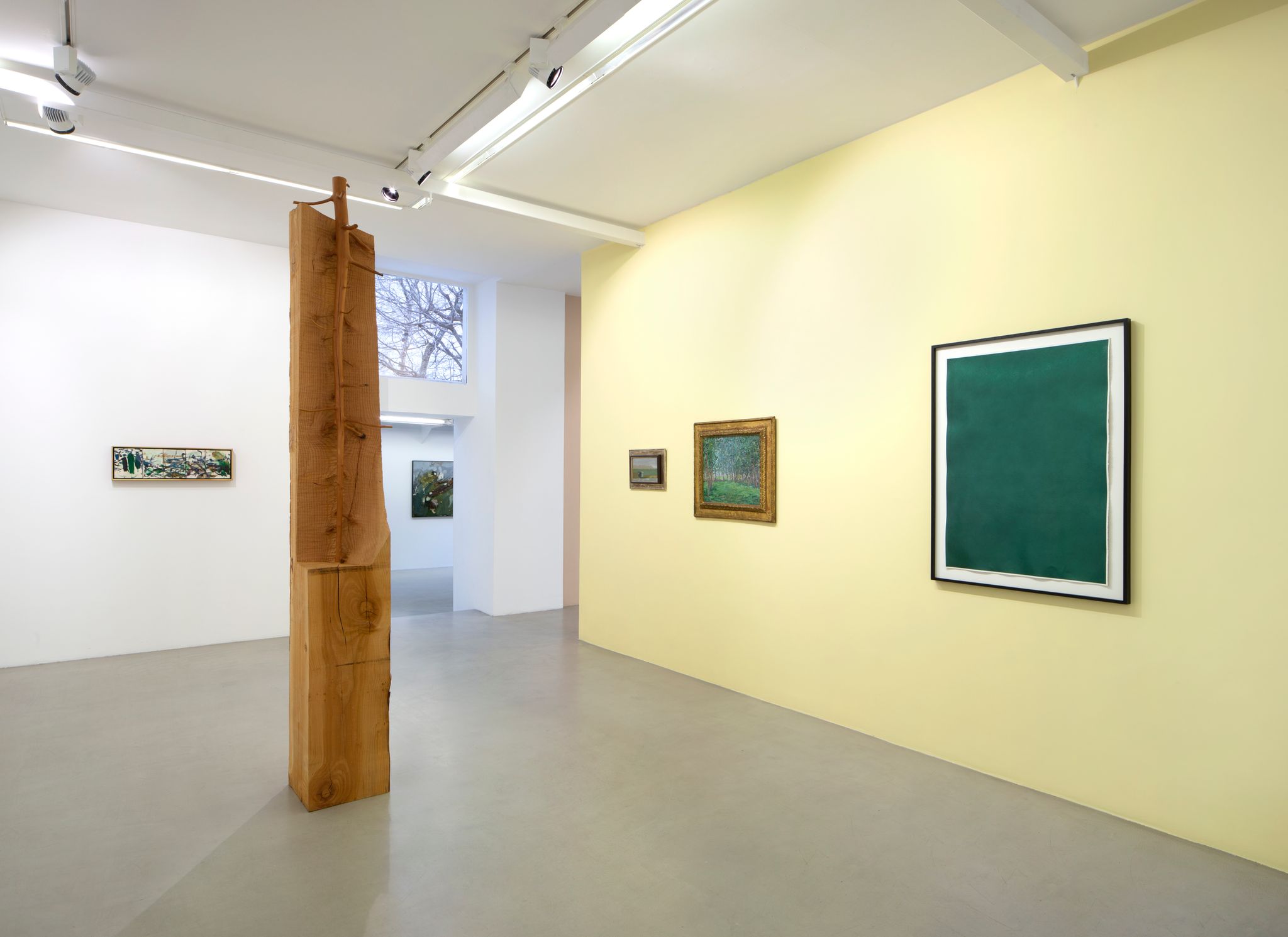
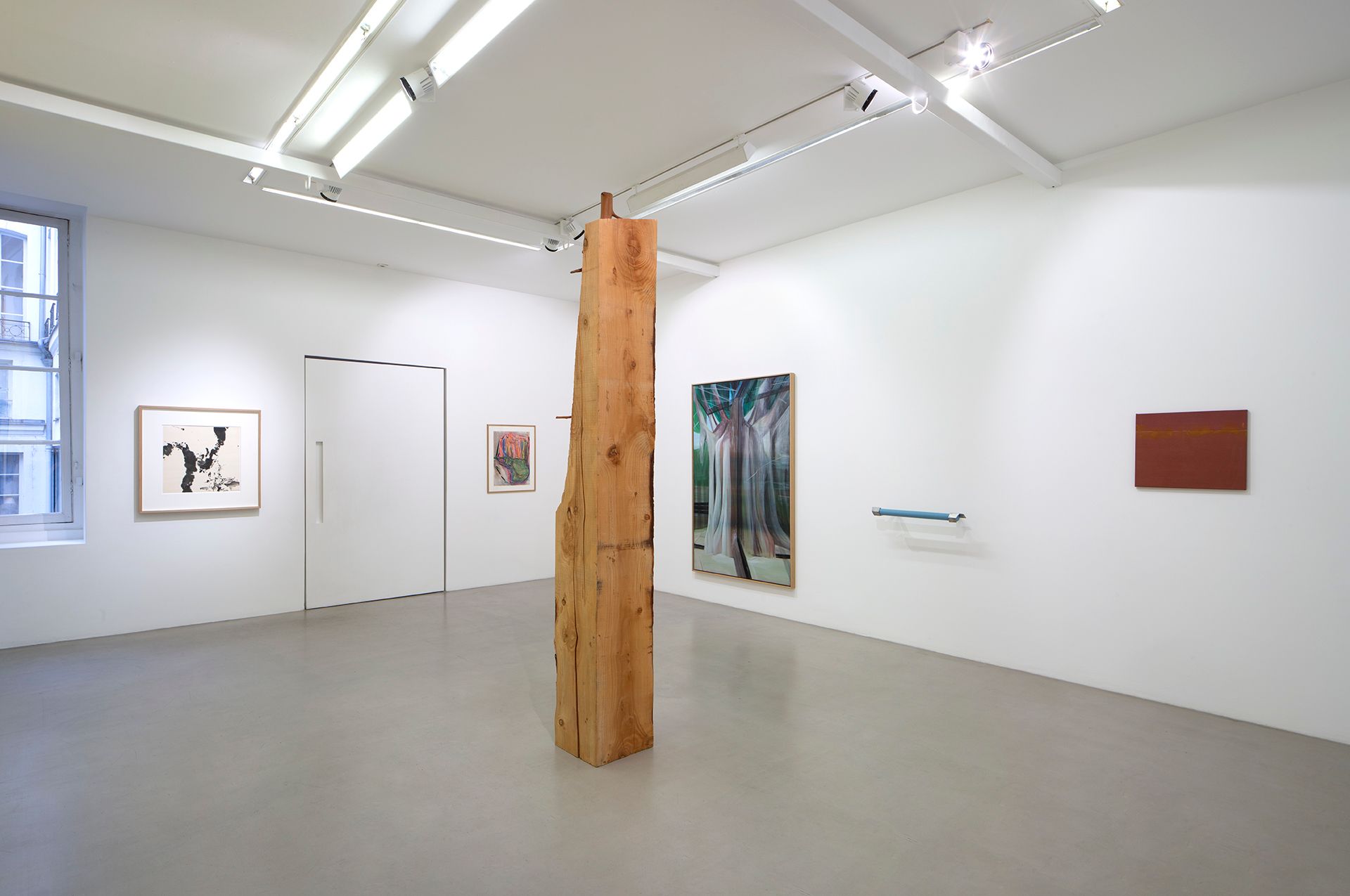
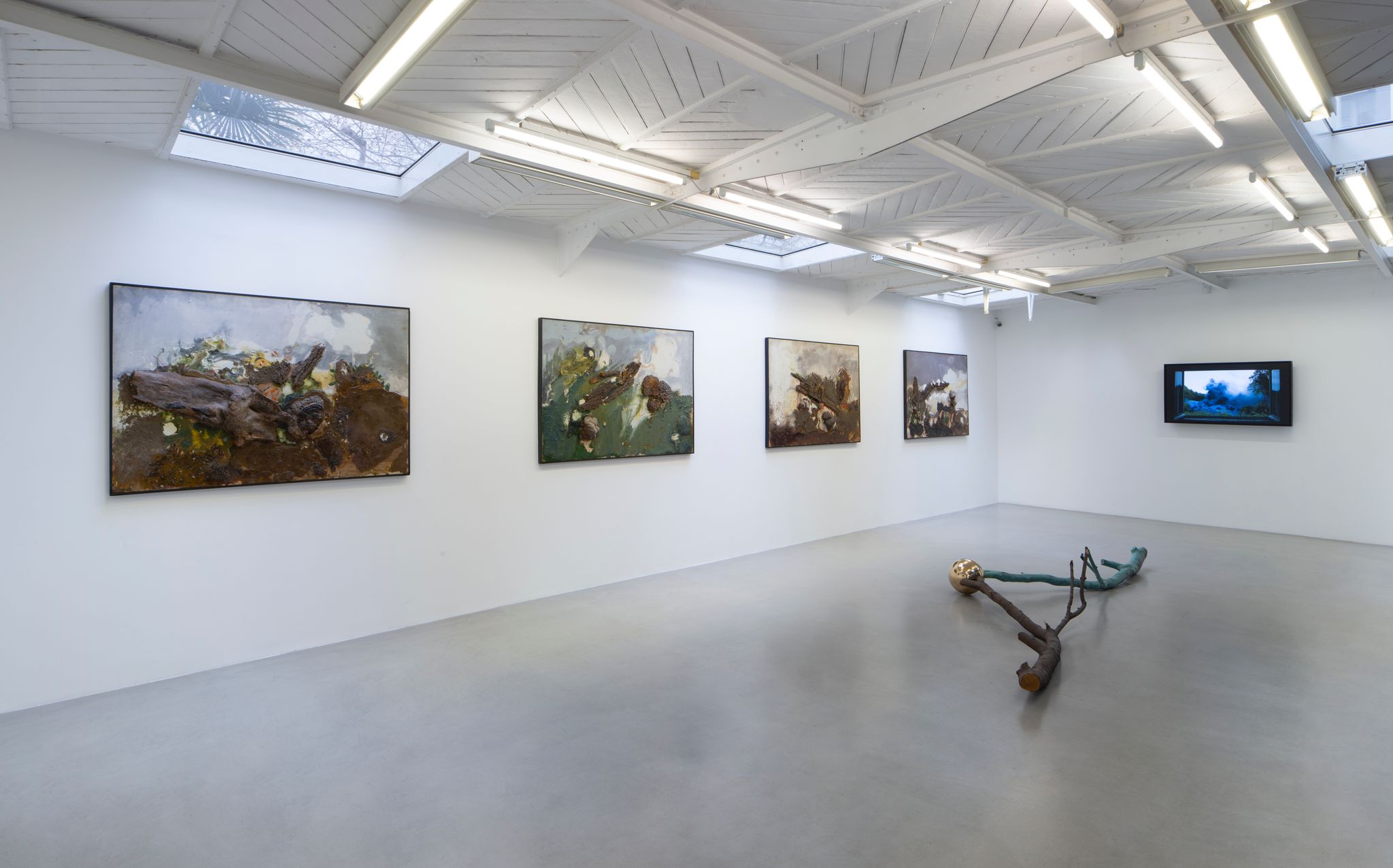
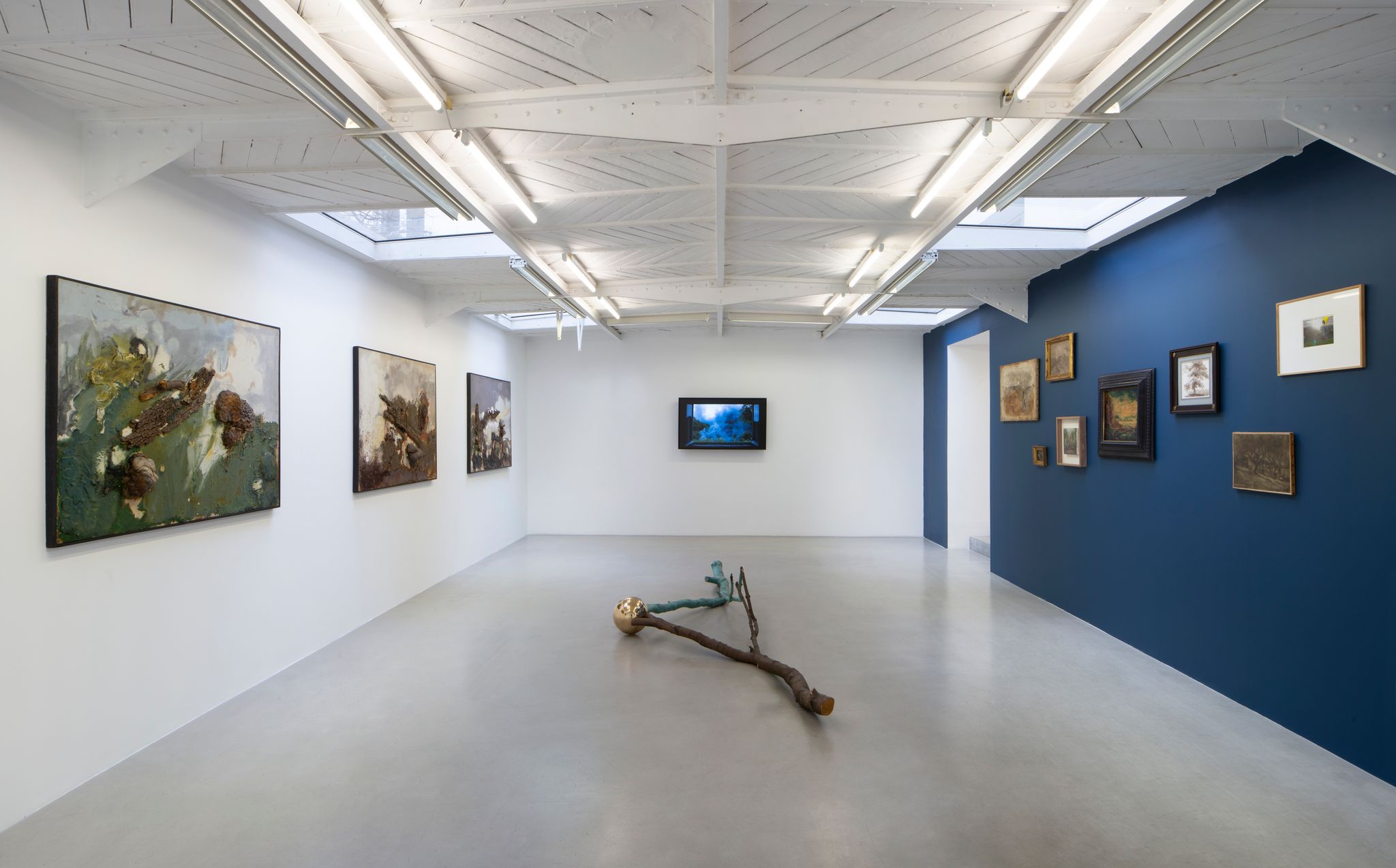
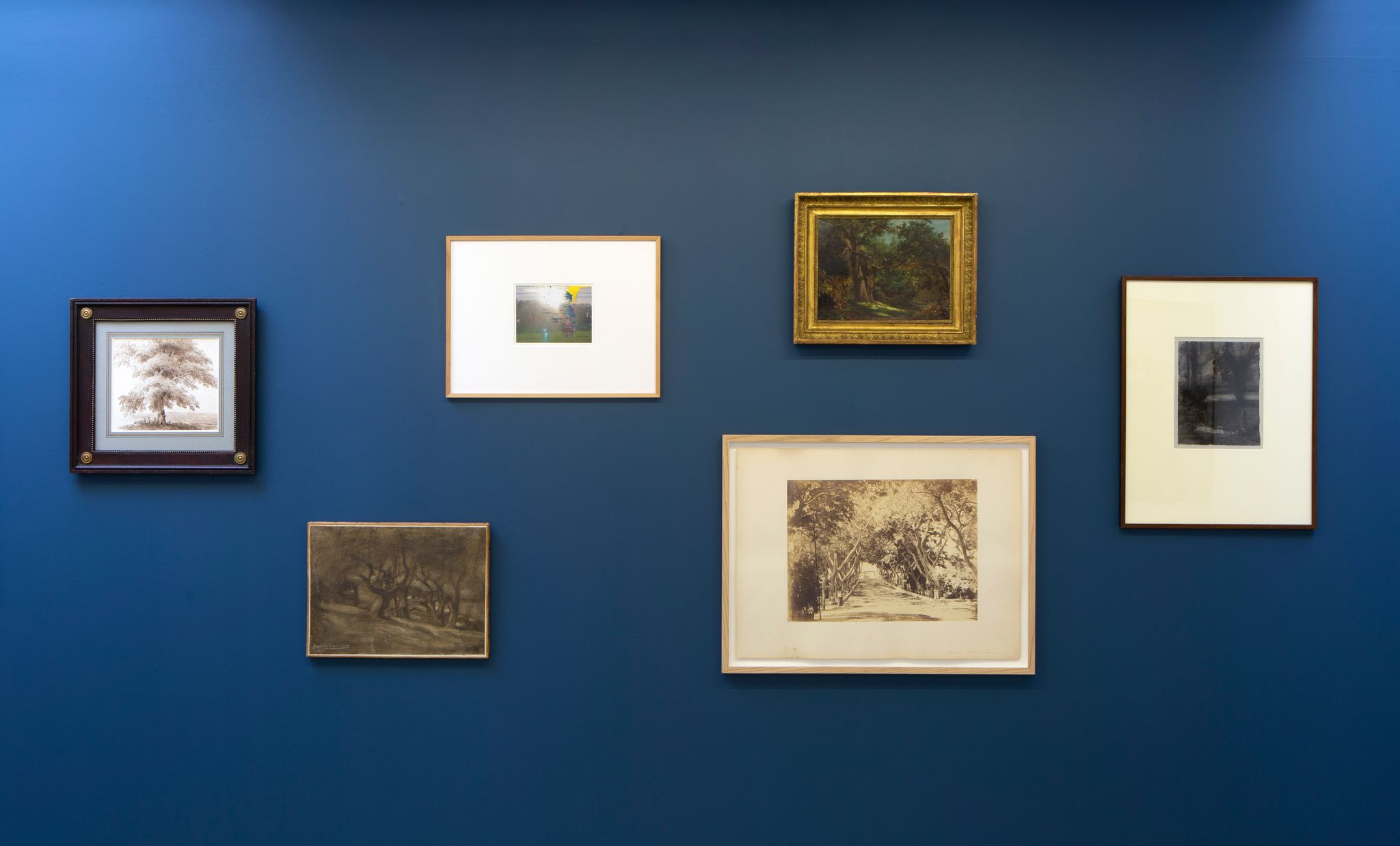
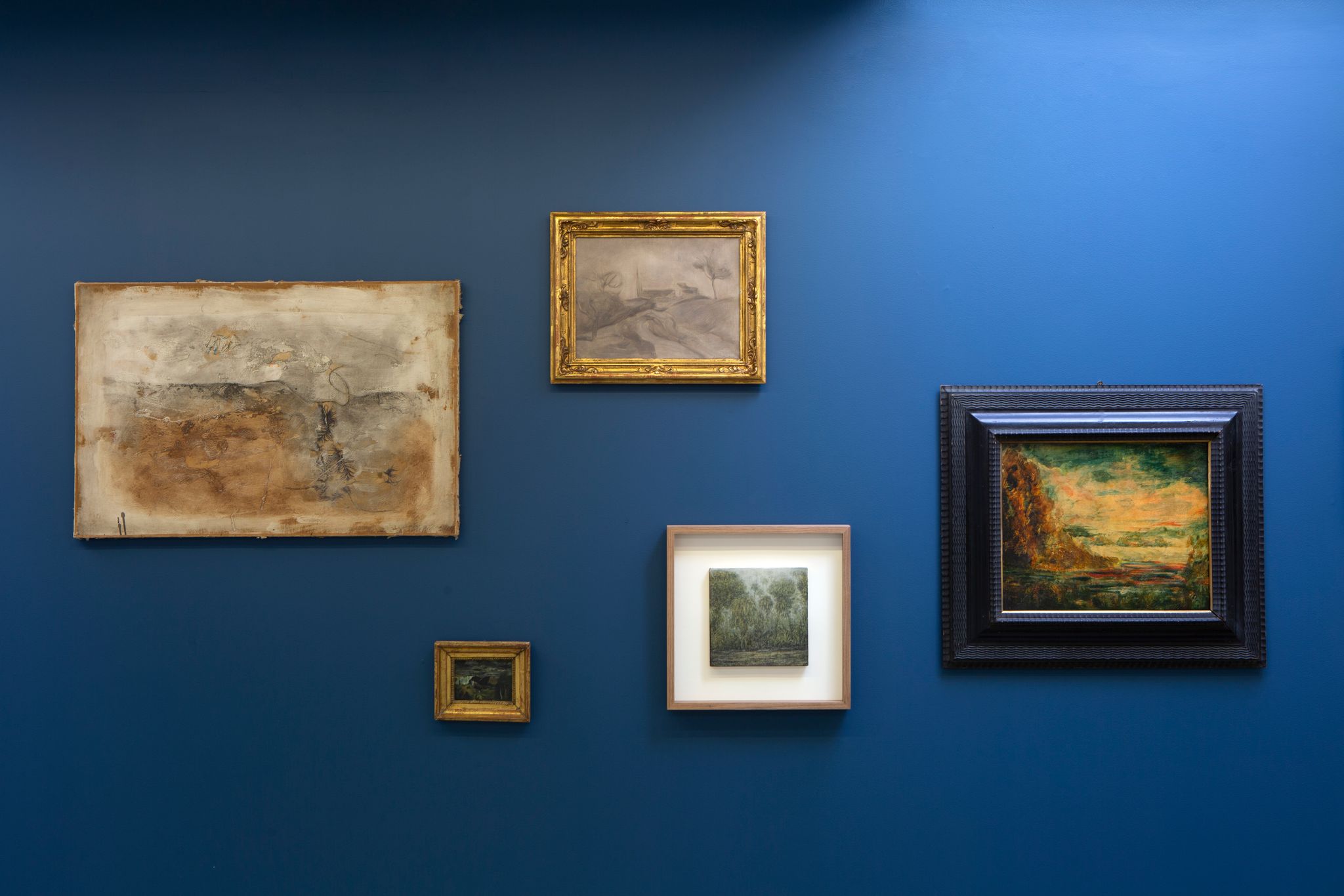
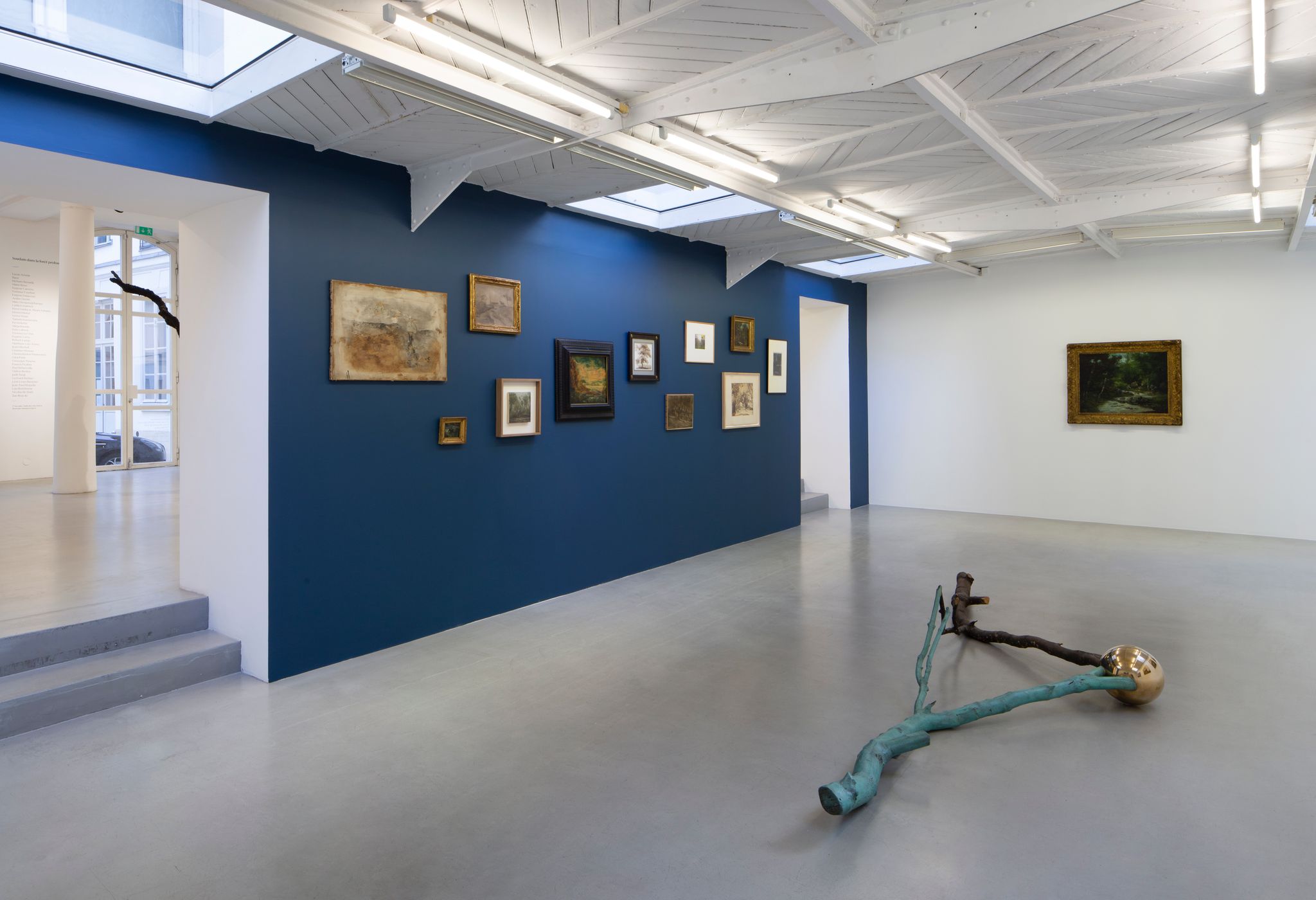
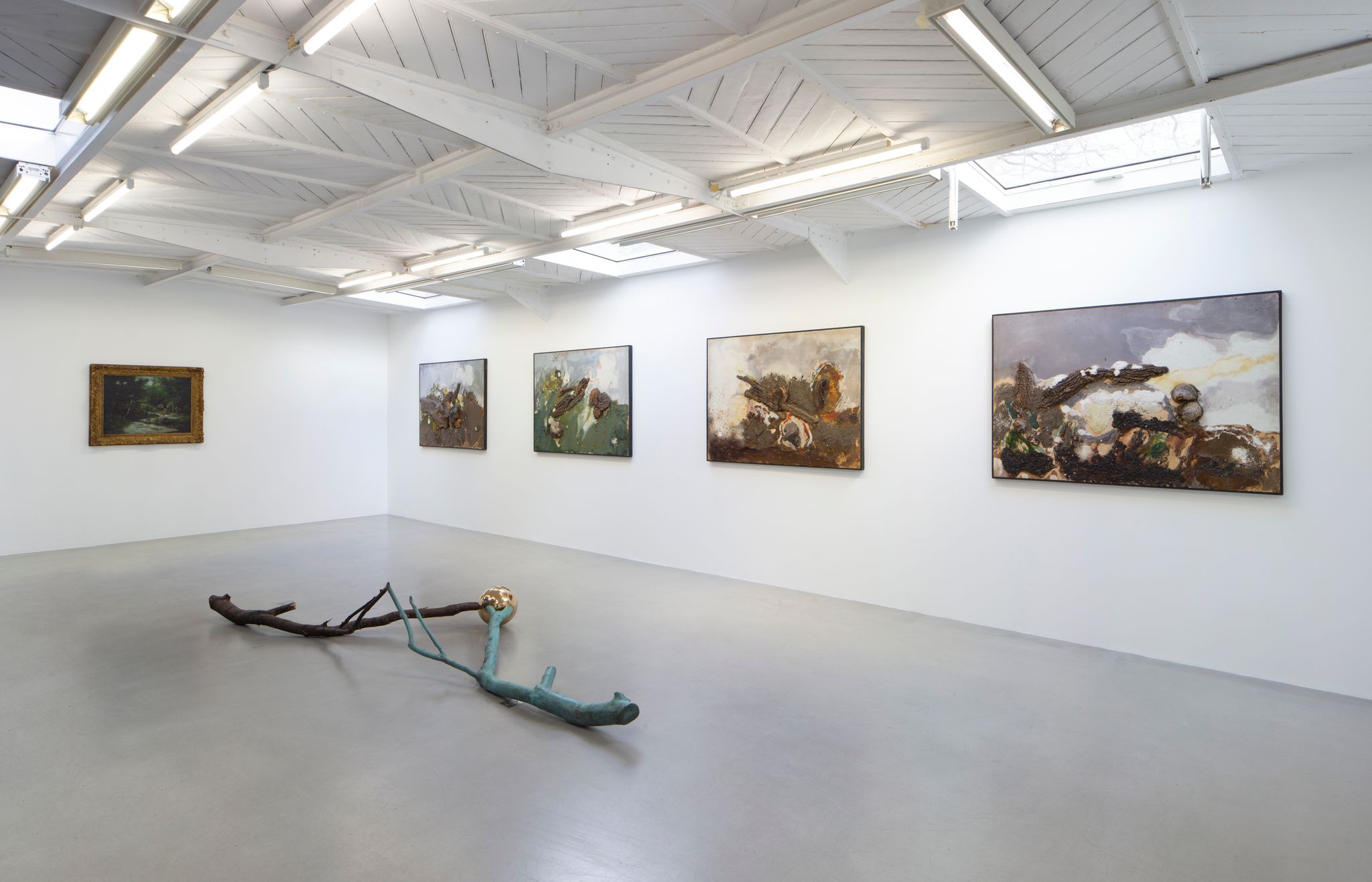
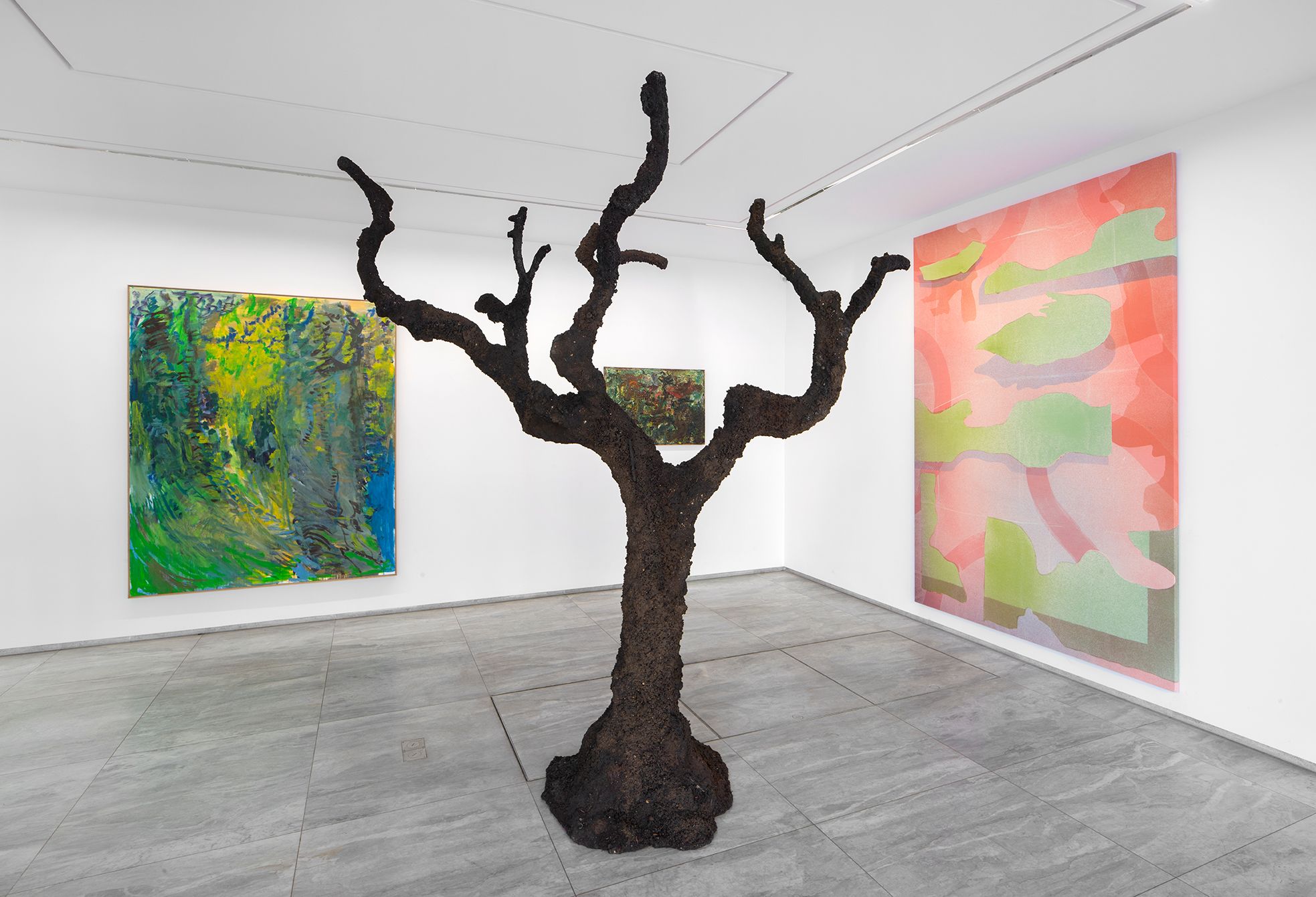
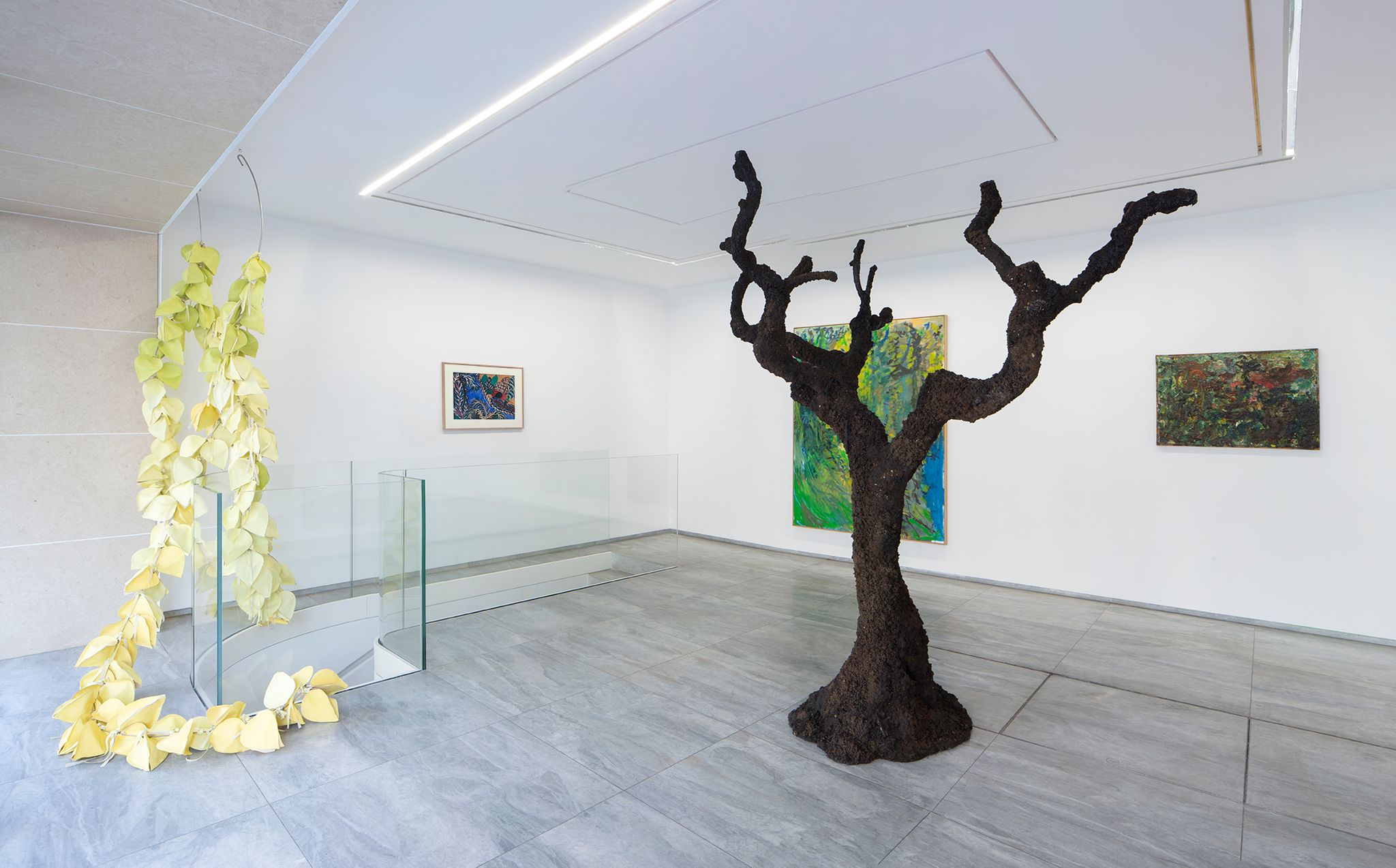
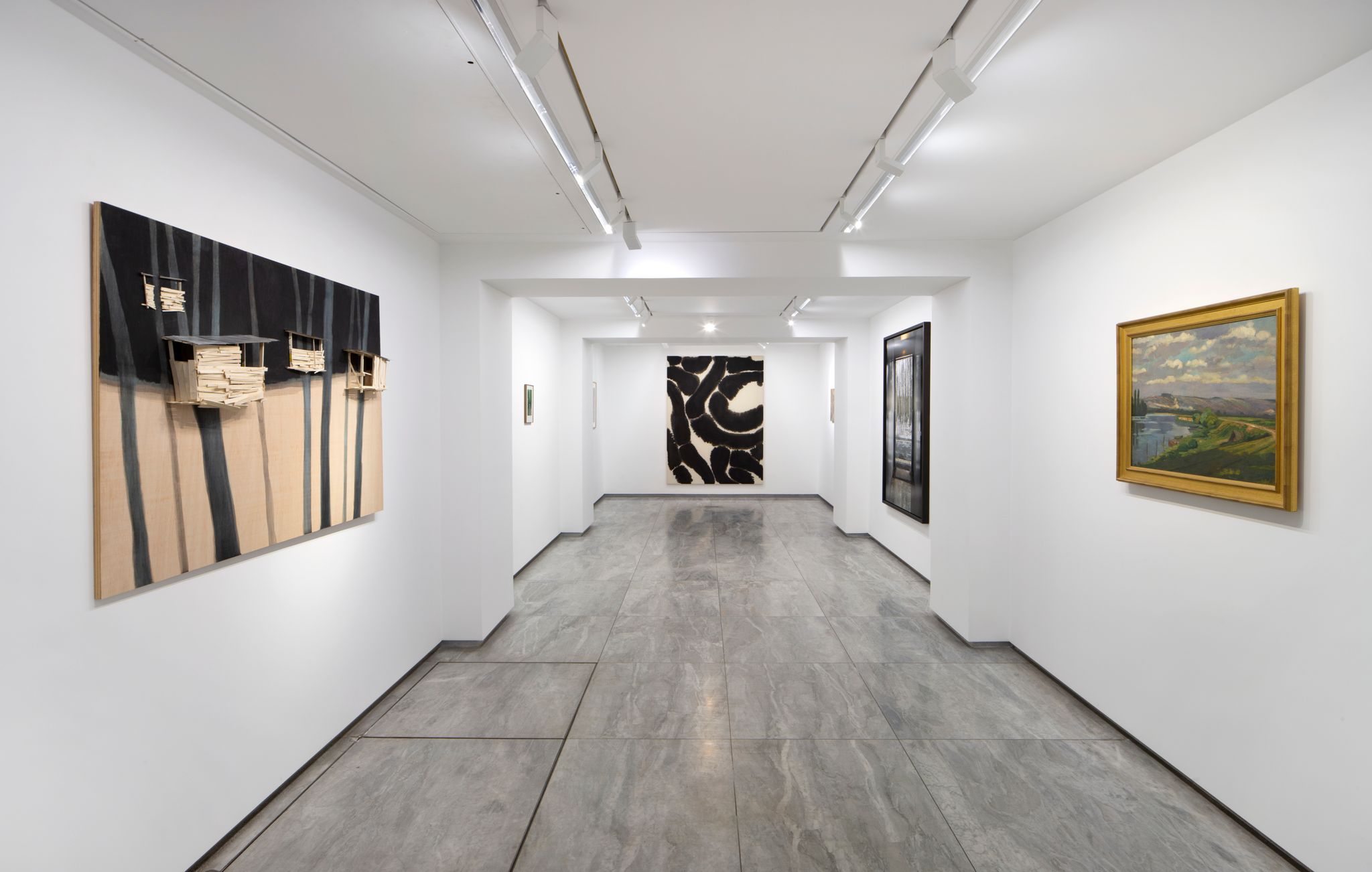
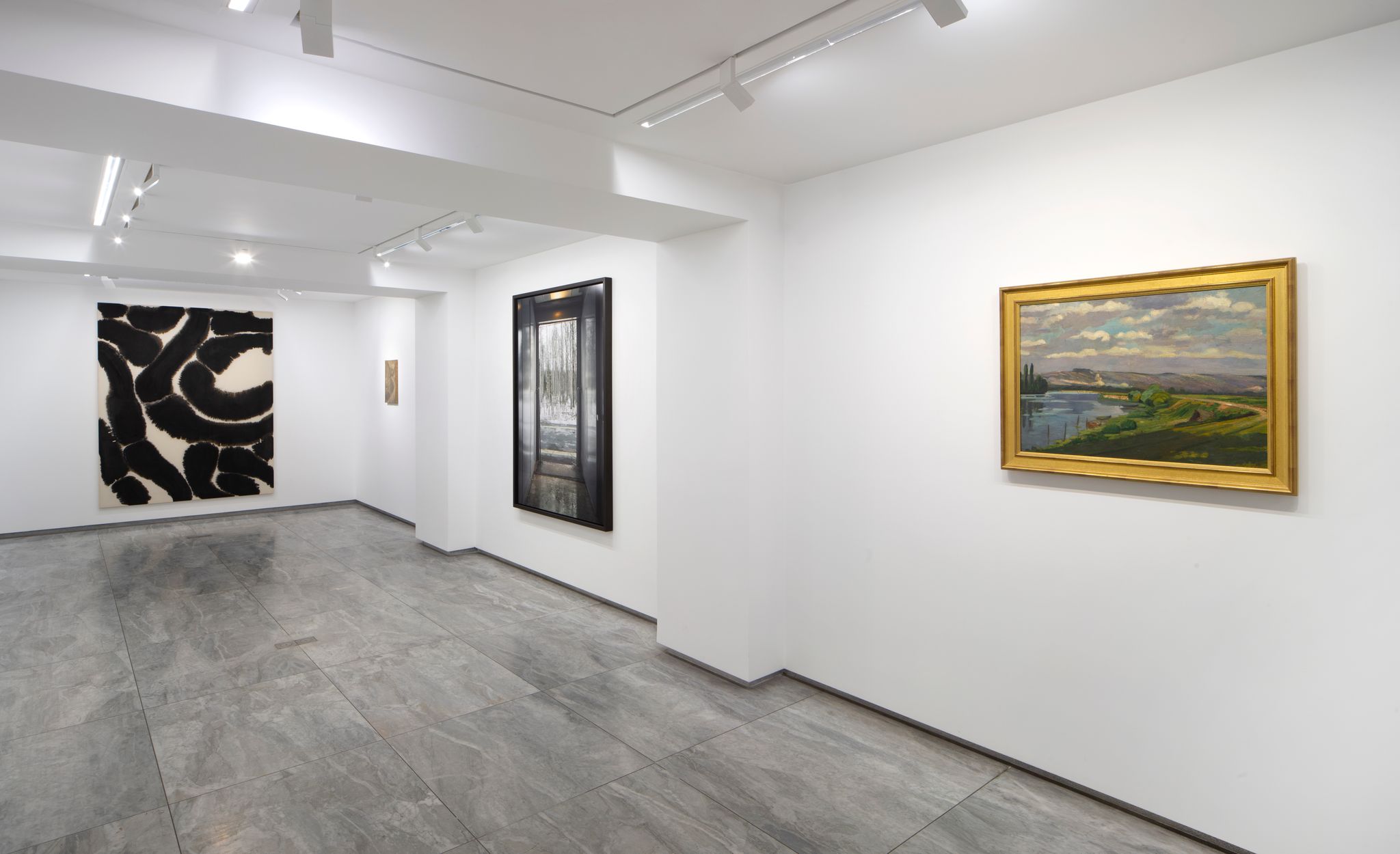
The exhibition “Soudain dans la forêt profonde” (Suddenly in the Depths of the Forest) whose title is borrowed from Amos Oz's philosophical tale, offers an immersion into woodlands through the eyes of modern and contemporary artists on landscape.
Trees and forests appear as a source of inspiration, addressed through various mediums and prisms both as a natural subject and a cultural object. According to the artists' gaze, the forest is in turn an inspiring refuge of romantic solitary reveries, a receptacle of ancestral myths, the nostalgic symbol of an idealized past, a subject of pictorial experimentation or a reflection of our relationship to our natural environment. As Gerhard Richter observed “the forest in general has special significance. You can lose your way in forests, feel deserted, but also secure, held fast in the bosom of the undergrowth.” [1]
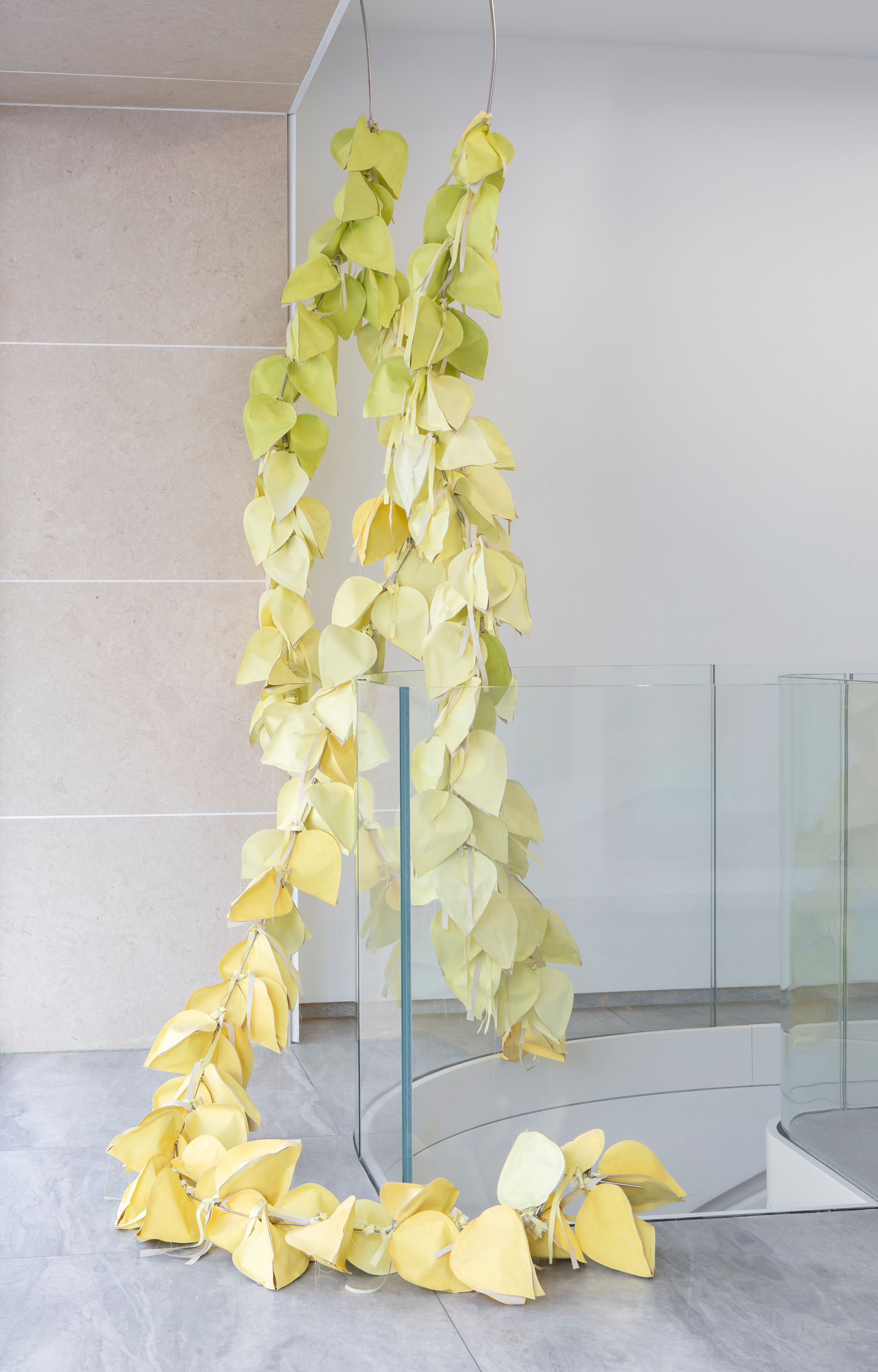
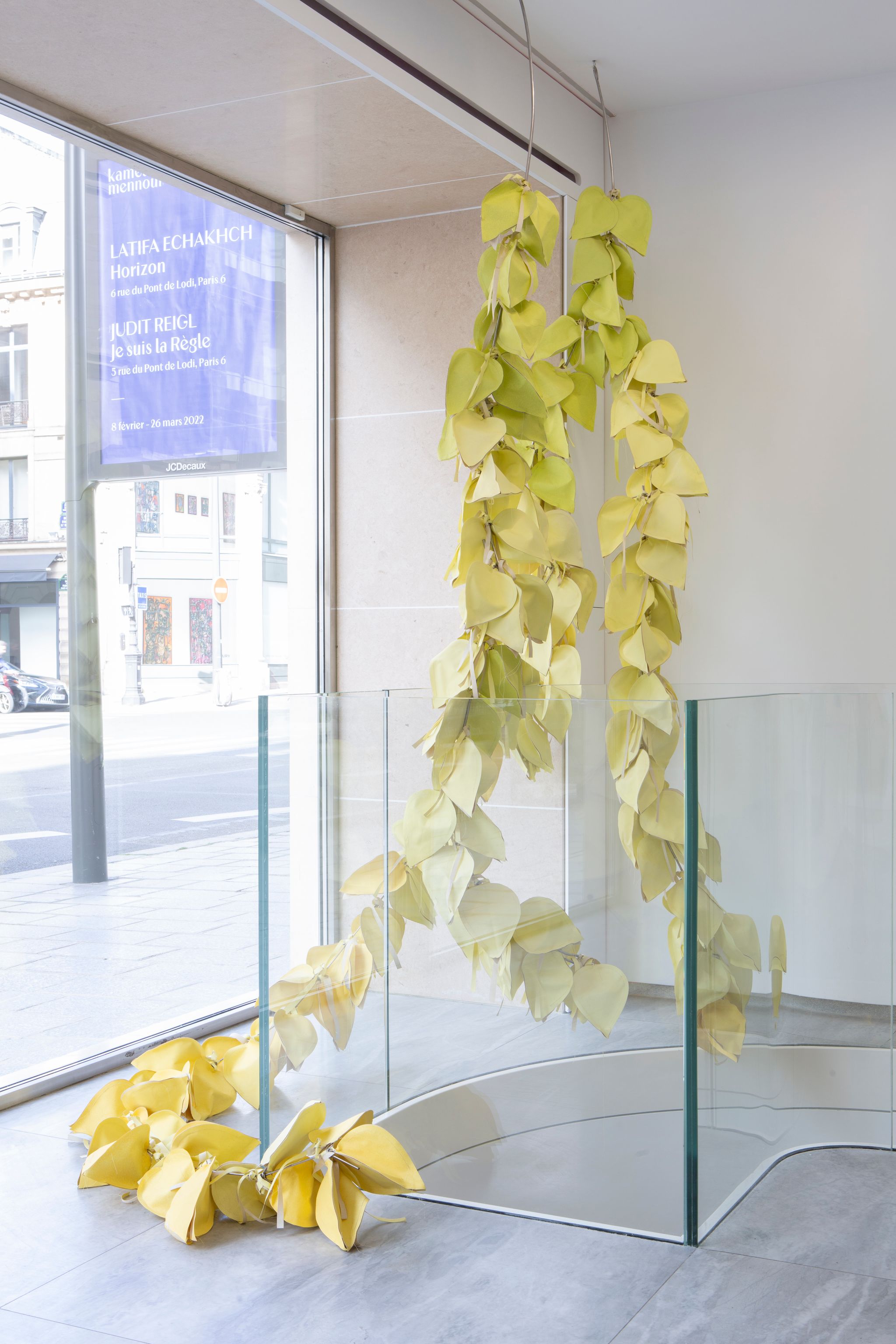
In this exhibition, the sun appears between the branches of the tallest trees (Latifa Echakhch), or disappears in Obscure Gardens (Marc Desgrandchamps). We dive into the wood (Giuseppe Penone), we offer ourselves to the metamorphosis of the living (Alicja Kwade), to the memory that it imprints in us (Gina Pane). It is the specificities of the places, or the universality of the emotions which they convene that the artists retain: a field close to a wood (Francis Picabia), the Pastret garden (Gustave Le Gray), valleys of the Loue or a brook in a clearing (Gustave Courbet). So many places carrying an intrinsic poetry which artists have made their subject.
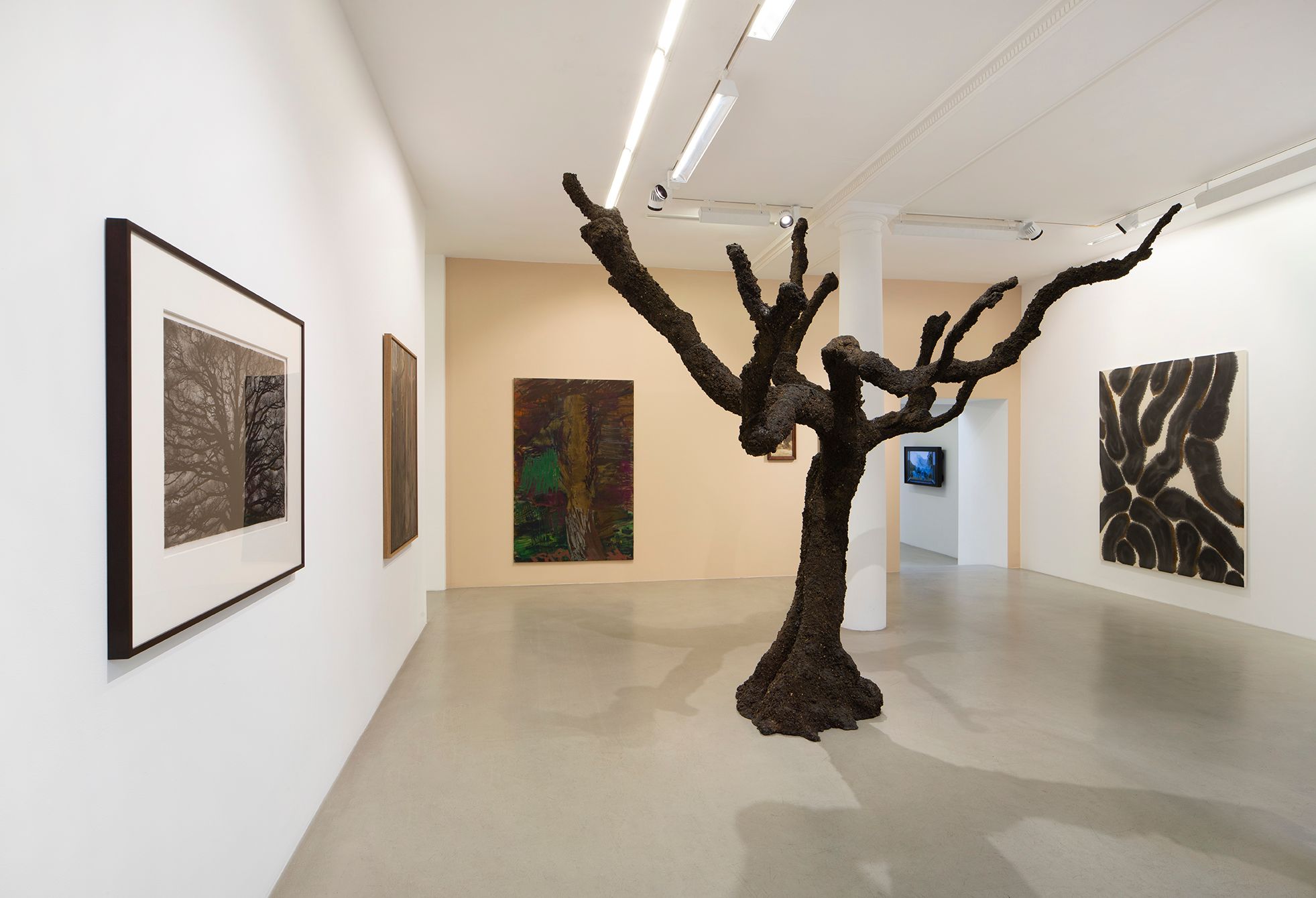
As the poets of which Gaston Bachelard spoke, the painter who “lives the forest” is also in front of “a fix immensity” that they feel and capture [2]. A temporal and emotional immensity gathered in one place. Some works materialize a poetic sensation. Ugo Rondinone's Italian dancing olive trees branches and Petrit Halilaj & Alvaro Urbano's palm tree seeds give shape to a memory, embodying cherished people and places. The twigs of Robert Longo's Study of Brain Tree extend like our neural network collecting memories. For Victor Hugo, the forest is a mystery whose contemplation “fills the heart with love [3]”. In the mythopoetic universe of Félix Labisse, the forest becomes a surrealist sensual Amazone, a hybrid form between plant and human. Odilon Redon renders it in a dreamlike female allegory. In the work of Eugène Leroy, the paint matter itself becomes a landscape, in that of Nicolas de Staël, as well as that of Per Kirkeby, Simon Hantaï, Judit Reigl, Zao Wou-Ki, Joan Mitchell and Paul Rebeyrolle; nature becomes the subject of visual experiments in a dynamic tension between figuration and abstraction.
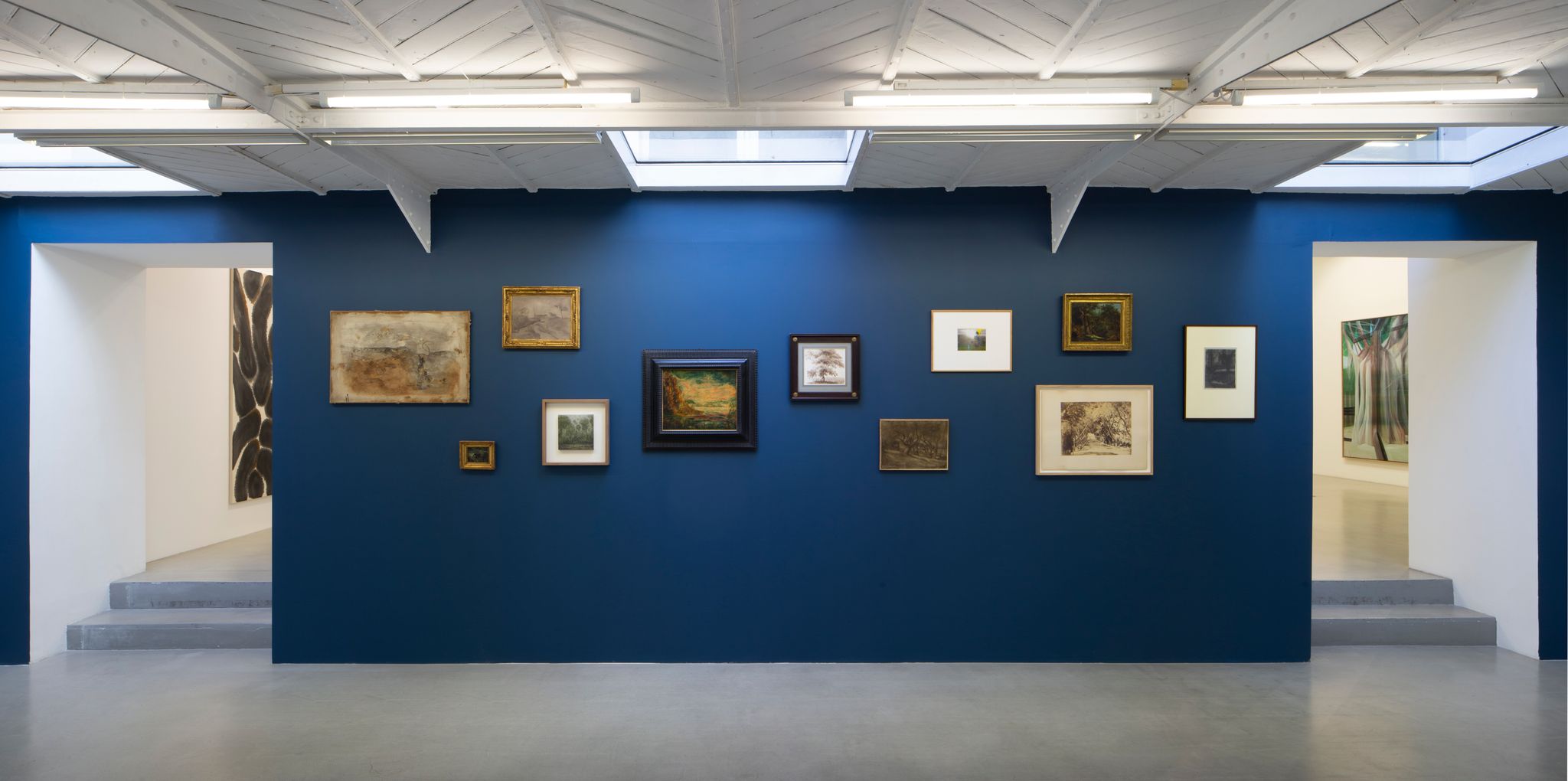
An Italian-style display reminiscent of the way scène de genre paintings used to be presented in the 19th century also brings in dialogue the ethereal landscapes by Eugène Carrière, the pictorialist abstractions of Gustave Le Gray, the portrait of a tree in majesty by Eugène Delacroix, the romantic old oak by Léon-Louis Riesener, the imaginary landscapes of Lucas Arruda and the unforgettable palette of Gustave Moreau. In the same room, a masterful realist work by Gustave Courbet paying homage to the “country he knows so well” dialogues with the video Céleste by Hicham Berrada. If the work evokes the views of the Renaissance, the green landscape is flooded with blue smoke in a poetic gesture.
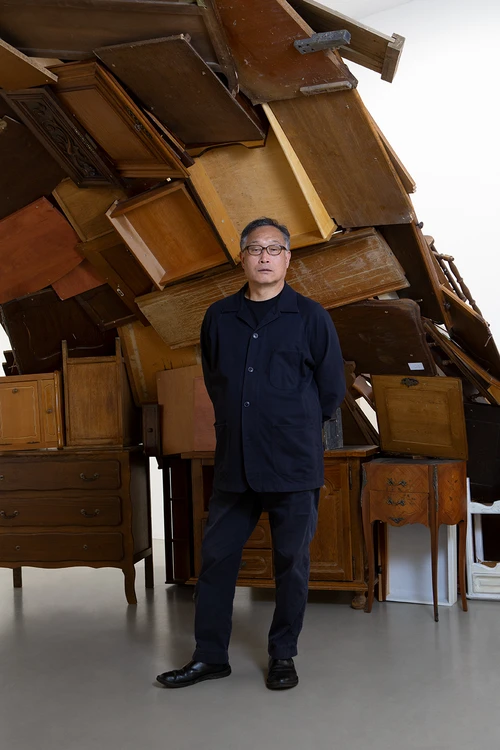
In contrast to an idealistic contemplation, some works focus more on what the landscape says about our contemporary relationship with the living world. With poetry, Matthew Lutz-Kinoy diverts the military use of aerial views to assemble a landscape-camouflage with acidulous tints. A bird's eye view over the borders. Tadashi Kawamata makes wood his subject and medium. In his series Tree Huts, Kawamata recycles the debris from the ephemeral huts he perches in the heart of the forest to create an archive of his installations in retrospect. The ecological dimension of his work echoes nature’s process and speaks uncompromisingly of the human desire for permanence in the face of the forces of nature. Marie Bovo uses the frame of the train to capture fragments of a moving landscape contemplated during a train journey through Russia and Eastern Europe. The series entitled Stances superimposes Soviet memory on land stretches emptied of human presence which appear to be timeless.
Through the exhibition, we take a journey through the multiple ways artists have collected and retained their experience of nature. Immersed in the memories of the out-of-the-world refuge that the forest constitutes, we could in turn say “Here I am crossed by rays, surrounded by sun and shade... I dwell in this comfortable depth... The shelter calls me. I fold my neck in the shoulders of its foliage... In the forest, I am whole. Everything is possible in my heart as in the caches of ravines. A bushy distance separates me from morals and cities” [4].
—
1. Gerhard Richter, Exhibition catalog, Basel, Fondation Beyeler, 2014.
2. Gaston Bachelard, La Poétique de l’espace, Paris, PUF, 1957.
3. Victor Hugo, « Aux arbres », Les Contemplations, 1843.
4. René Ménard, Le livre des arbres, Paris, Éd. Arts et Métiers graphiques, 1956, pp. 6 et 7.
Born in 1983 in à São Paulo, LUCAS ARRUDA lives and works there.
Born in 1931 in Bordj el Kiffan (Algeria), BAYA died in 1998 in Blida (Algeria).
Born in 1986 in Casablanca (Morocco), HICHAM BERRADA lives and works between Paris and Roubaix (France)
Born in 1967 in Alicante (Spain), MARIE BOVO lives and works in Marseille (France).
Born in 1849 in Gournay-sur-Marne (France), EUGÈNE CARRIÈRE died in 1906 in Paris.
Born in 1819 in Ornans (France), GUSTAVE COURBET died in 1877 in La Tour-de-Peilz (Switzerland).
Born in 1798 in Charenton-Saint-Maurice (France), EUGÈNE DELACROIX died in 1863 in Paris.
Born in 1880 in Chatou (France), ANDRÉ DERAIN died in 1954 in Garches (France).
Born in 1960 in Sallanches (France), MARC DESGRANDCHAMPS lives and works in Lyon (France).
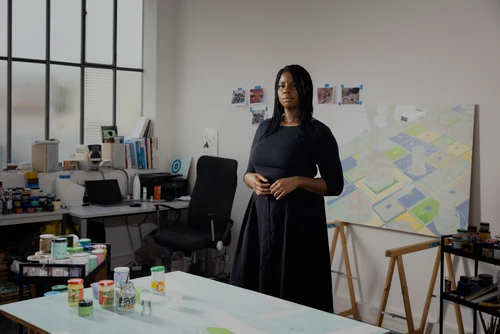
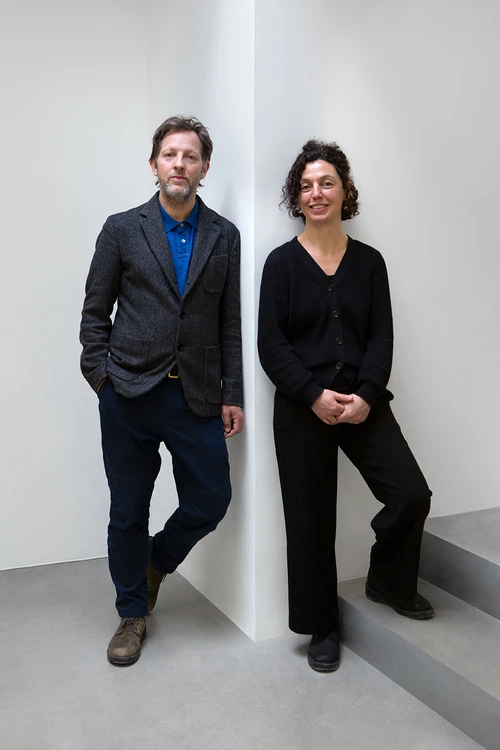
Born in 1974 in El Khnansa (Morocco), LATIFA ECHAKHCH lives and works between Vevey and Martigny (Switzerland). Born in 1986 in Kostërc (Kosovo), PETRIT HALILAJ lives and works between Germany, Kosovo and Italy.
Born in 1922 in Bia (Hungary), SIMON HANTAÏ died in 2008 in Paris.
Born in 1802 in Besançon (France), VICTOR HUGO died in 1885 in Paris.
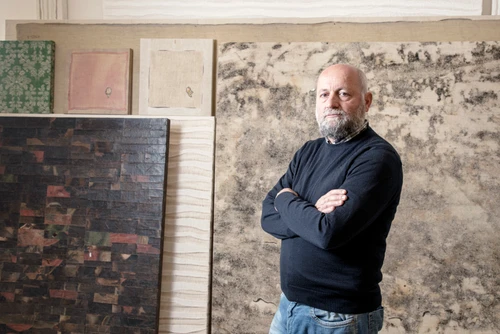
Born in 1953 in Hokkaido (Japan), TADASHI KAWAMATA lives and works between Tokyo and Paris.
Born in 1938 in Copenhagen, PER KIRKEBY died in 2018 there.
Born in 1979 in Katowice (Poland), ALICJA KWADE lives and works in Berlin.
Born in 1905 in Marchiennes (France), FÉLIX LABISSE died in 1982 in Neuilly-sur-Seine (France).
Born in 1820 in Villiers-le-Bel (France), GUSTAVE LE GRAY died in 1884 in Cairo.
Born in 1910 in Tourcoing (France), EUGÈNE LEROY died in 2000 in Wasquehal (France).
Born in 1953 in New York, ROBERT LONGO lives and works in New York.
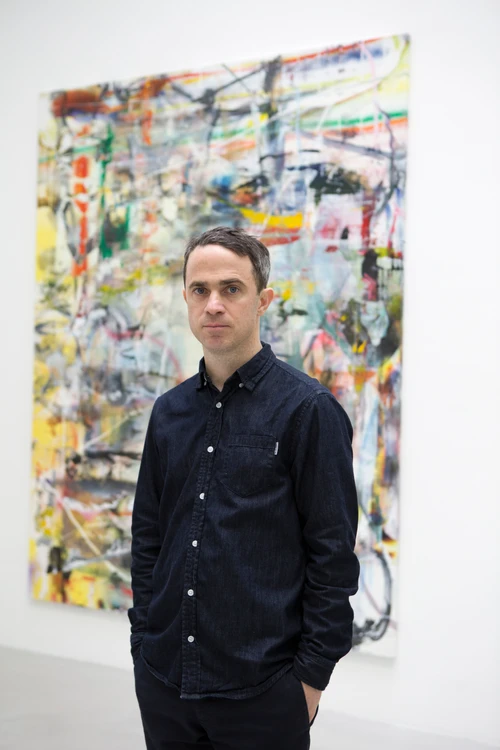
Born in 1984 in New York, MATTHEW LUTZ-KINOY lives and works between Los Angeles and Paris.
Born in 1925 in Chicago (USA), JOAN MITCHELL died in 1992 in Paris.
Born in 1826 in Paris, GUSTAVE MOREAU died in 1898 there.
Born in 1978 in Limassol (Cyprus), CHRISTODOULOS PANAYIOTOU lives and works between Limassol and Paris.
Born in 1939 in Biarritz (France), GINA PANE died in 1990 in Paris.
Born in 1947 in Garessio (Italy), GIUSEPPE PENONE lives and works between Turin (Italy) and Paris.
Born in 1879 in Paris, FRANCIS PICABIA died in 1953 there.
Born in 1926 in Eymoutiers (France), PAUL REBEYROLLE died in 2005 in Boudreville (France).
Born in 1840 in Bordeaux (France), ODILON REDON died in 1916 in Paris.
Born in 1923 in Kapuvár (Hungary), JUDIT REIGL died in 2020 in Marcoussis (France).
Born in 1932 in Dresden (Germany), GERHARD RICHTER lives in Cologne (Germany).
Born in 1808 in Paris, LÉON LOUIS RIESENER died in 1878 there.
Born in 1923 in Montreal (Canada), JEAN-PAUL RIOPELLE died in 2002 in Saint-Antoine-de-l’Isle-aux-Grues (Canada). Born in 1964 in Brunnen (Switzerland), UGO RONDINONE lives and works in New York.
Born in 1913 in Saint Petersburg (Russia), NICOLAS DE STAËL died in 1955 in Antibes (France).
Born in 1983 in Madrid, ALVARO URBANO lives and works in Berlin.
Born in 1920 in Beijing, ZAO WOU-KI died in 2013 in Nyon (Switzerland).
Artistes présentés
Baya
Born in 1931 in Bordj El Kiffan, Algeria
Died in 1998 in Blida, Algeria
Hicham Berrada
Né en 1986 à Casablanca, Maroc
Vit et travaille à Paris et à Roubaix, France
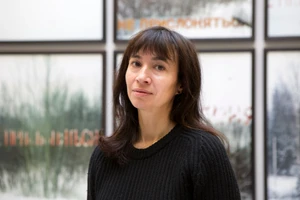
Marie Bovo
Née en 1967 à Alicante, Espagne
Vit et travaille à Marseille, France
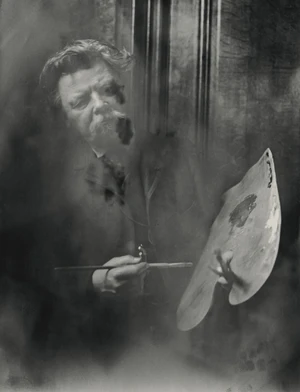
Eugène Carrière
Né en 1849 à Gournay-sur-Marne, France
Mort en 1906 à Paris, France
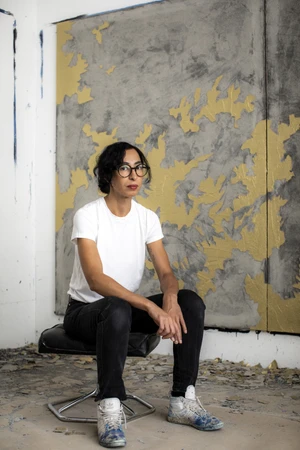
Latifa Echakhch
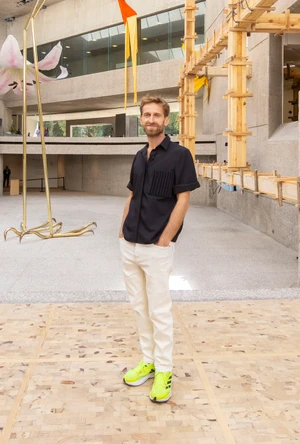
Petrit Halilaj
Né en 1986 à Kostërrc, Kosovo
Vit et travaille entre l’Allemagne, le Kosovo et l’Italie.
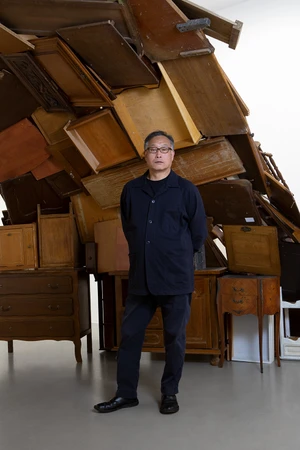
Tadashi Kawamata
Né en 1953 à Hokkaidō, Japon
Vit et travaille à Tokyo et à Paris
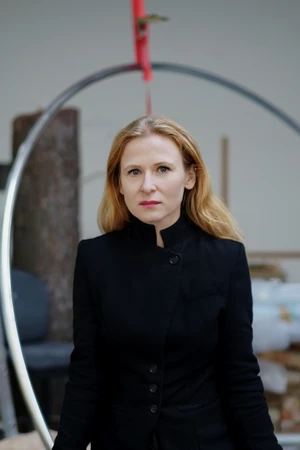
Alicja Kwade
Née en 1979 à Katowice, Pologne
Vit et travaille à Berlin, Allemagne
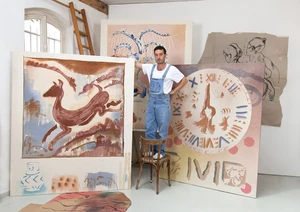
Matthew Lutz-Kinoy
Né en 1984 à New York, États-Unis
Vit et travaille à Paris, France
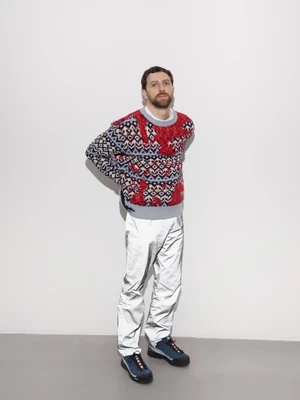
Christodoulos Panayiotou
Né en 1978 à Limassol, Chypre
Vit et travaille entre Limassol et Paris
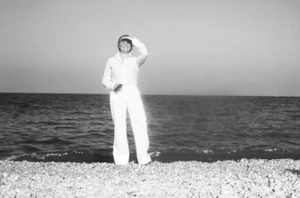
Gina Pane
Né en 1939 à Biarritz, France
Décédée en 1990 à Paris, France
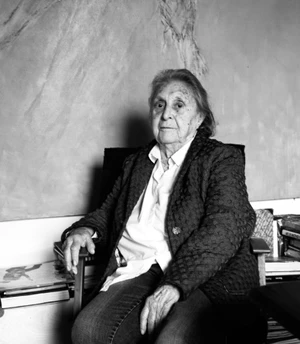
Judit Reigl
Née en 1923 à Kapuvár, Hongrie
Morte en 2020 à Marcoussis, France
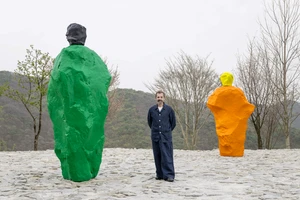
Ugo Rondinone
Né en 1964 à Brunnen, Suisse
Vit et travaille à New York, États-Unis
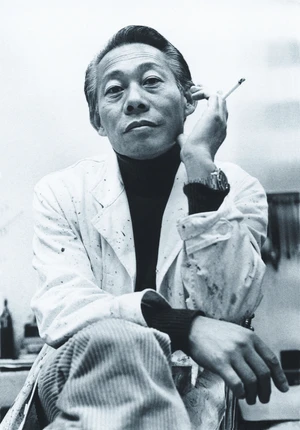
Zao Wou-Ki
Né en 1920 à Pékin, Chine.
Il a principalement vécu et travaillé à Paris de 1948 jusqu’à son décès à Nyon, en Suisse, en 2013.