


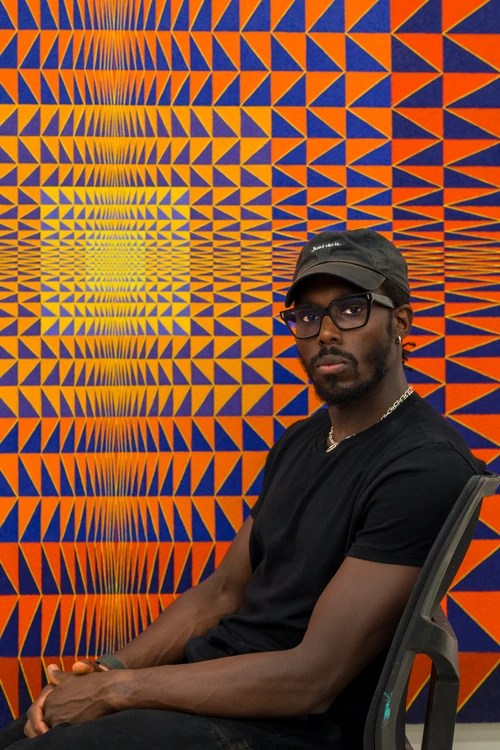
Neïl Beloufa
Solo exhibition
1 oct. - 2 nov. 2019
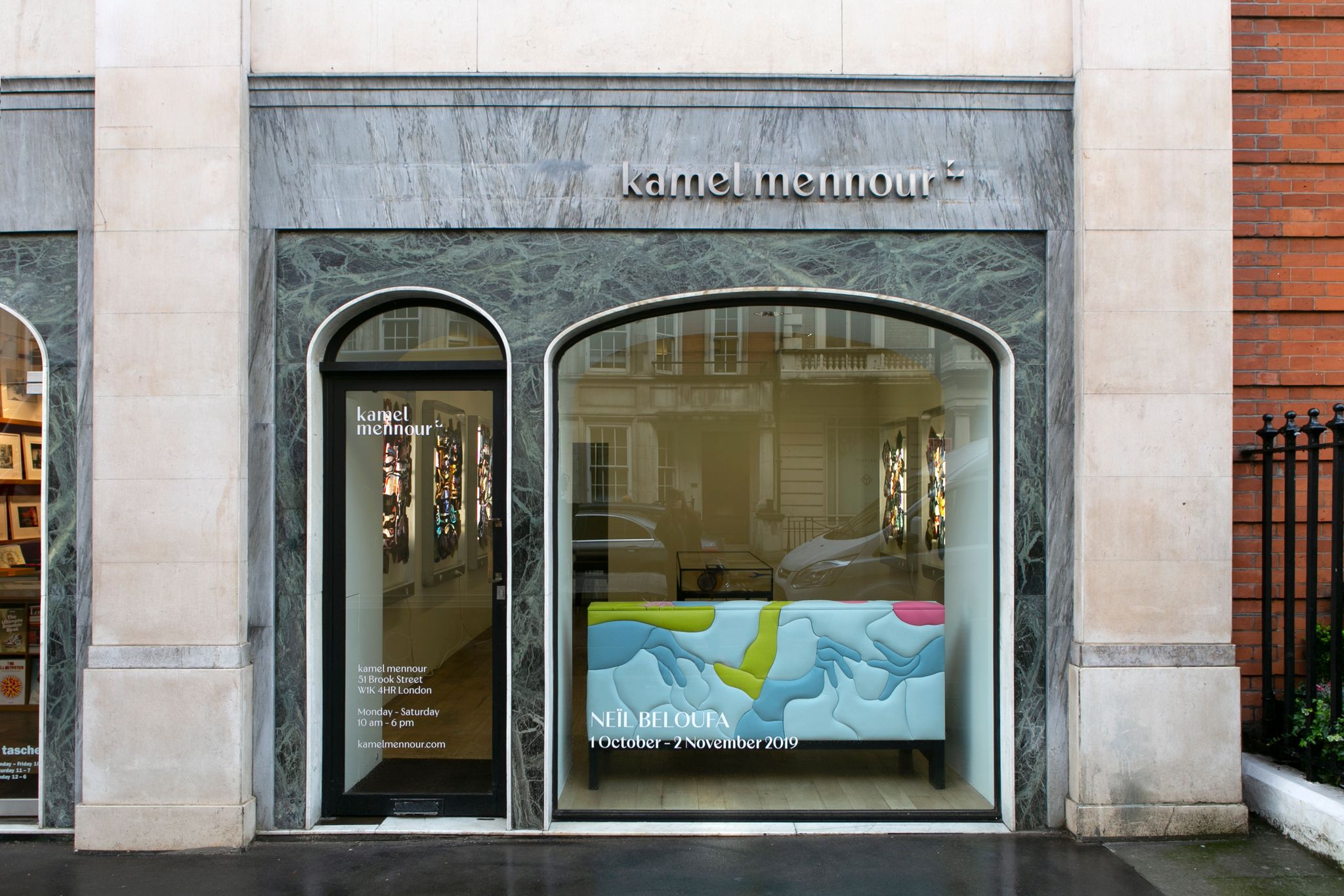
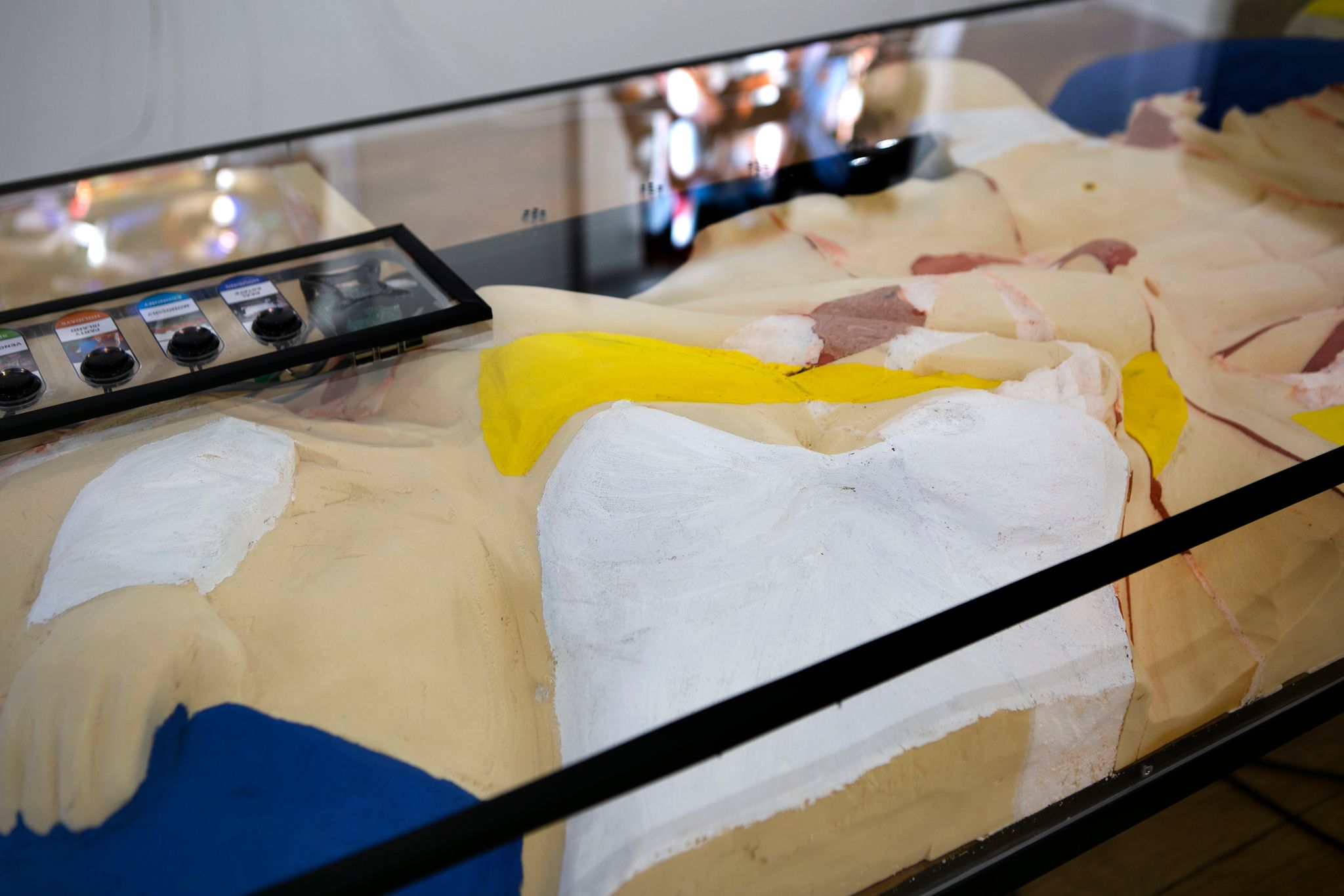
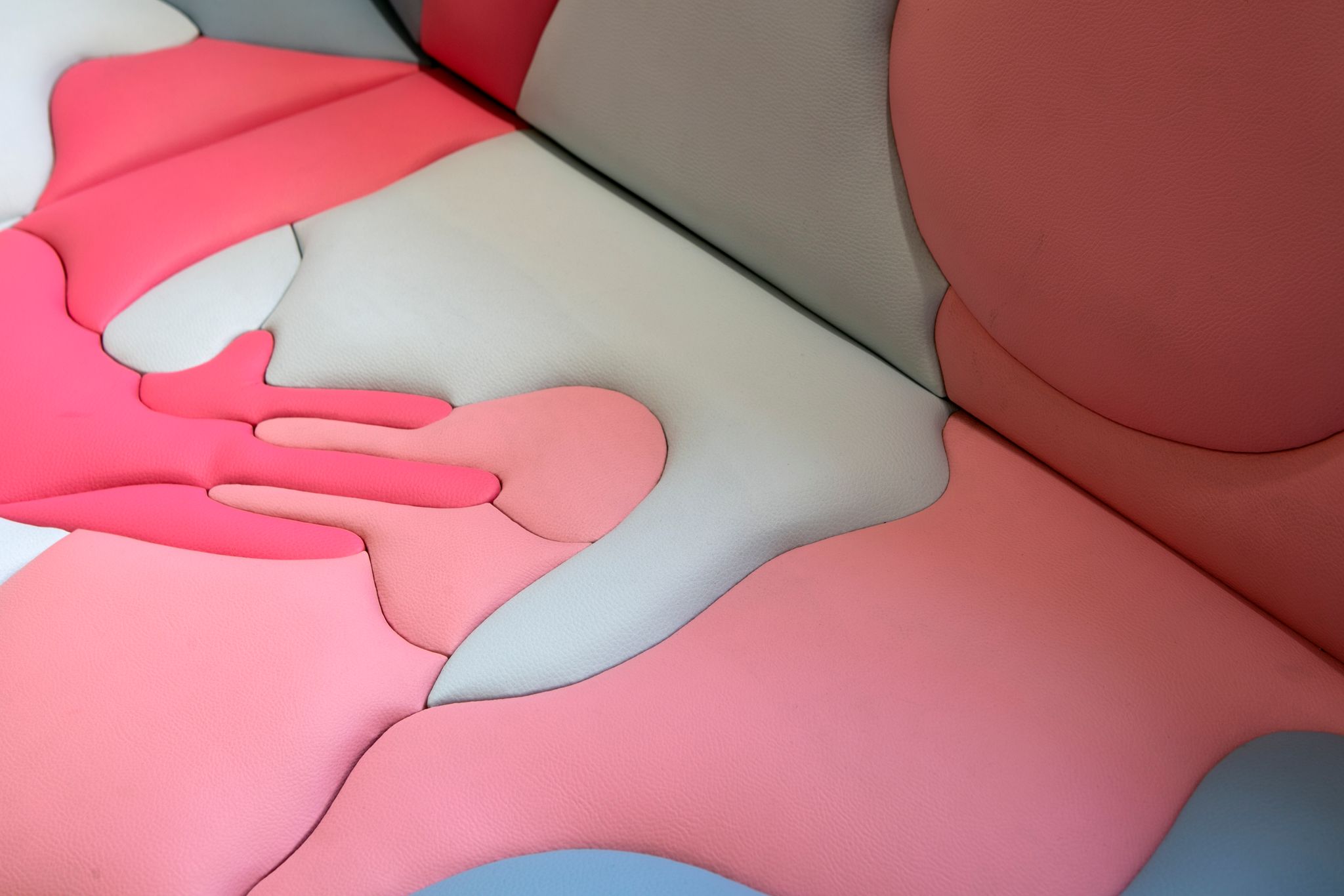
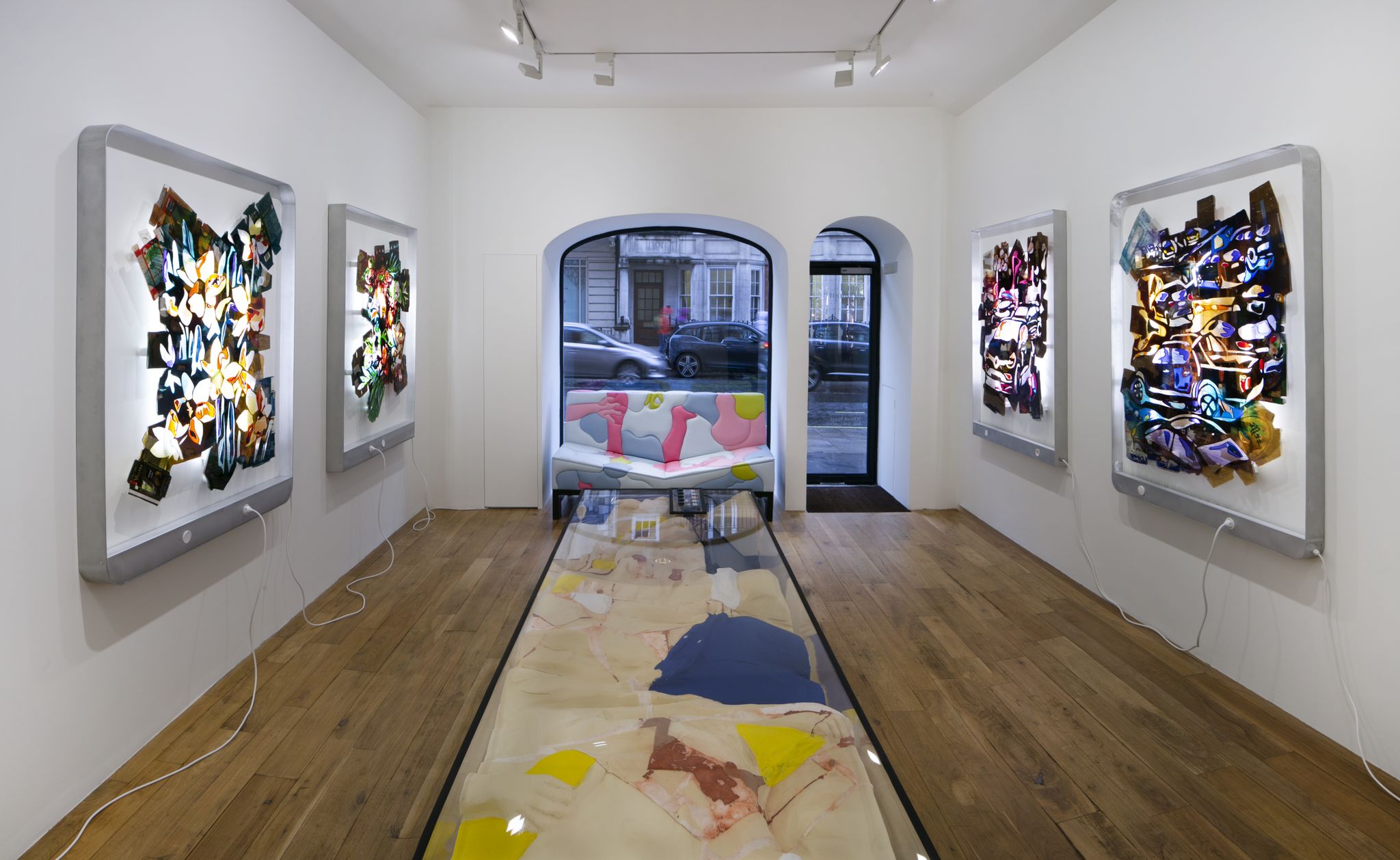
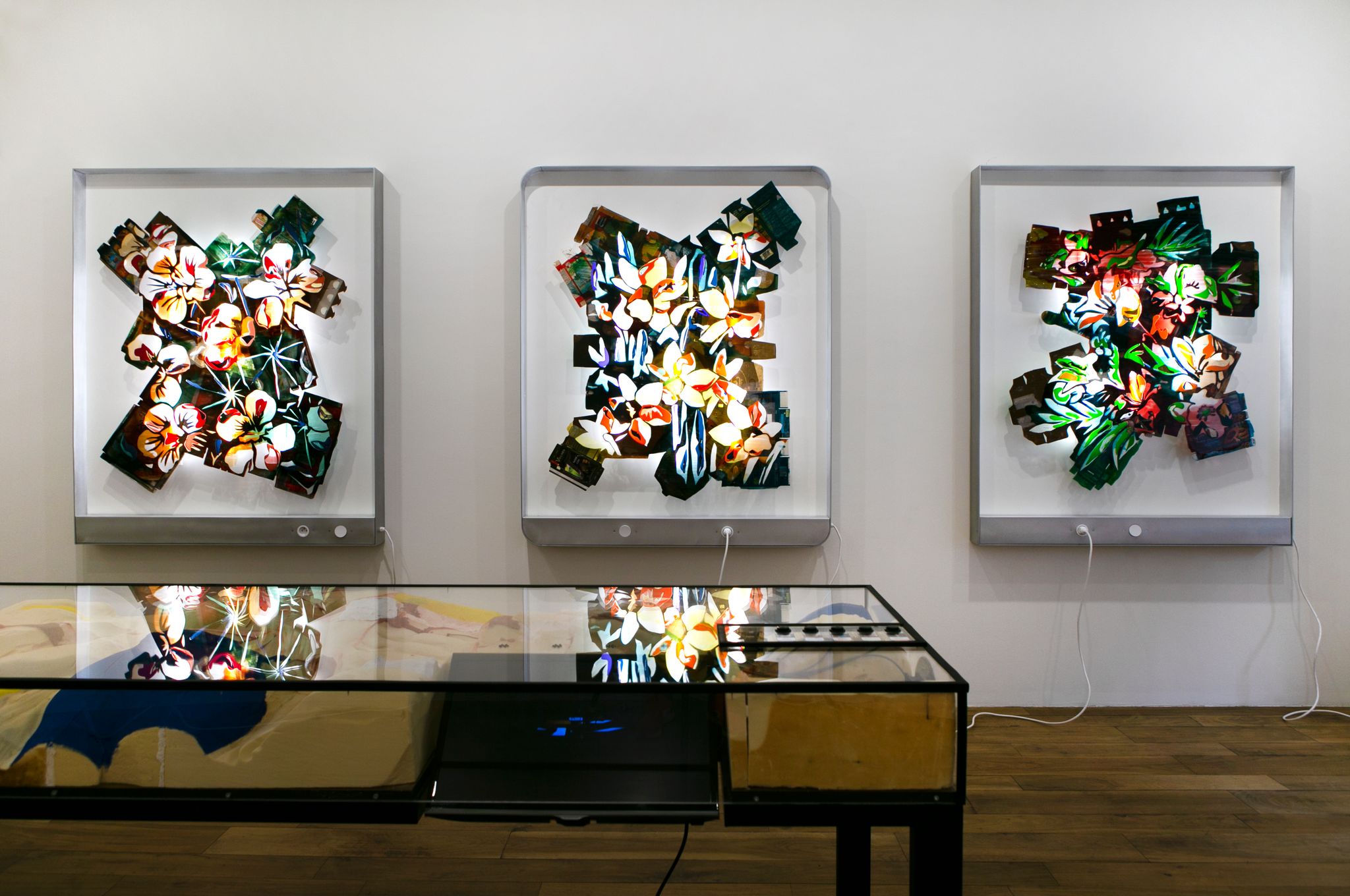
With Neïl Beloufa’s first solo show at the gallery (6 Rue du Pont de Lodi) in Paris coming to an end, Kamel Mennour is pleased to present a double exhibition of the Franco-Algerian artist’s work at the gallery (51 Brook Street) and at his stand at Frieze.
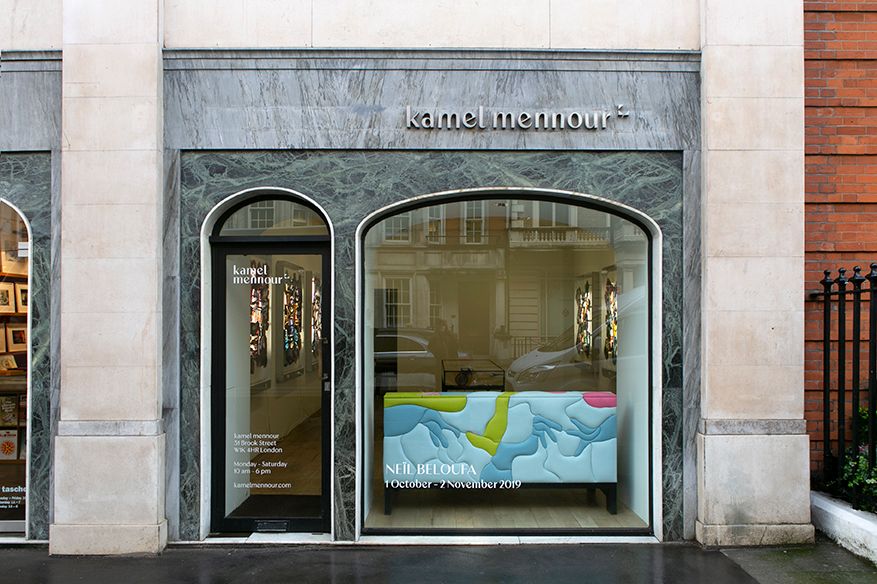
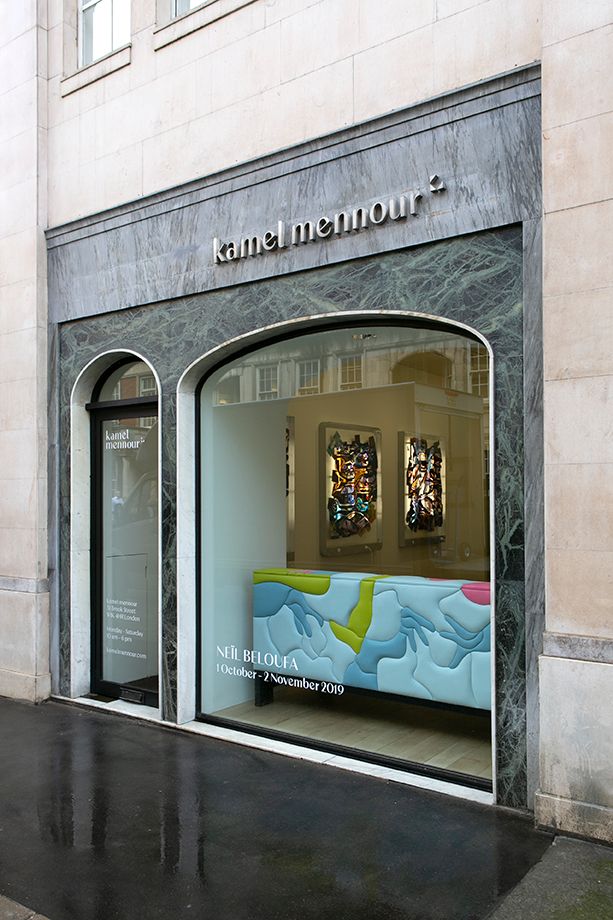
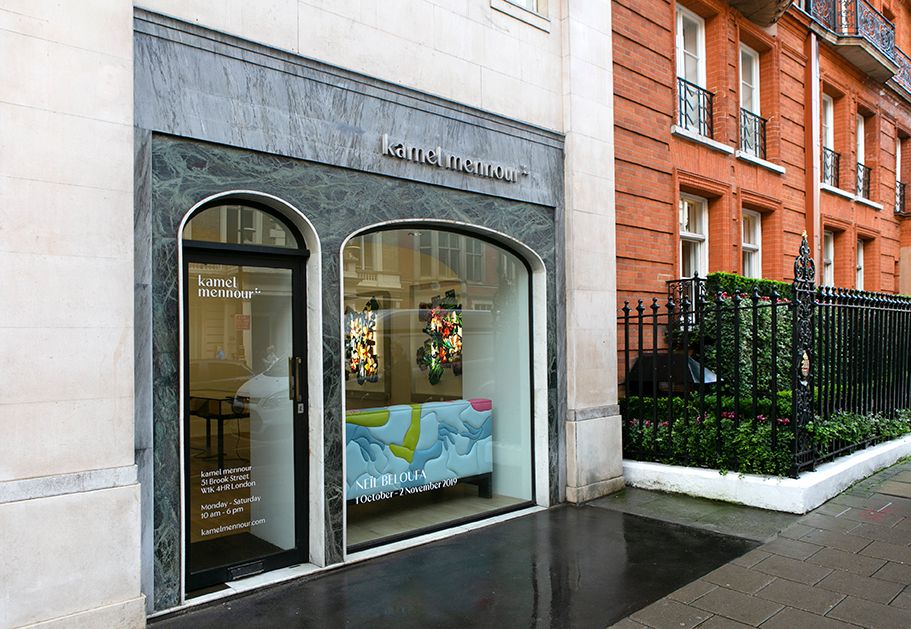
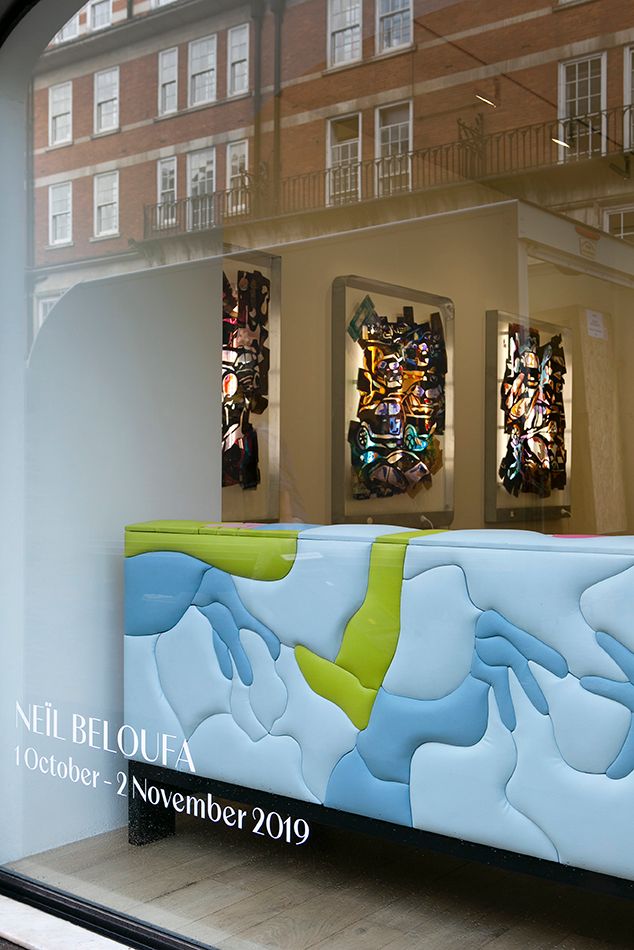
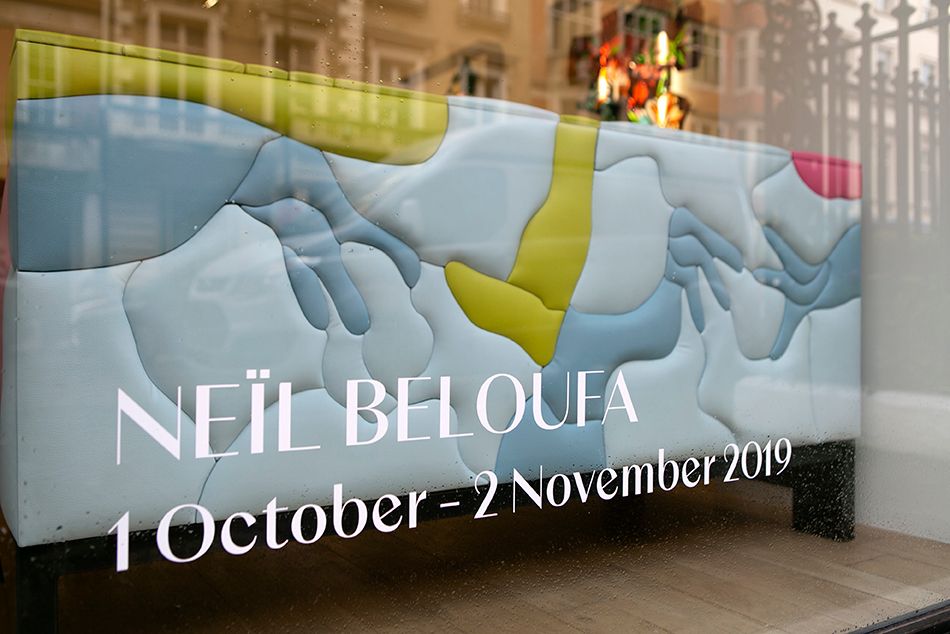
As it is often the case in Beloufa’s work, here it is a question of multiplicity, layers, and assemblages. His intrinsically protean practice involves overlaying strata and levels of interpretation. His work mixes contemporary problematics and multimedia technology, inviting the viewer to go beyond their initial reading of the piece, to observe the work in all of its dimensions and in all its physical and metaphorical density.
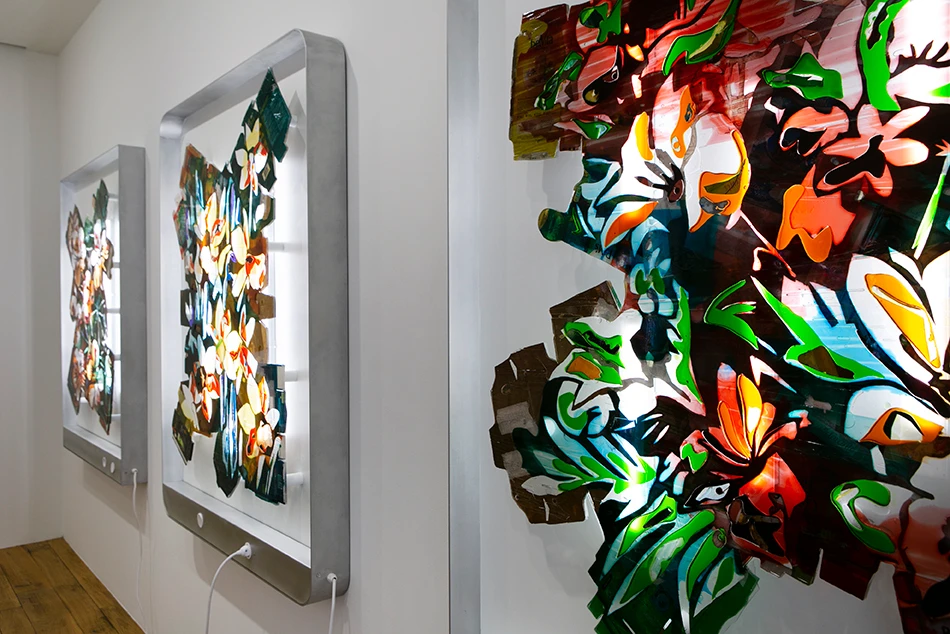
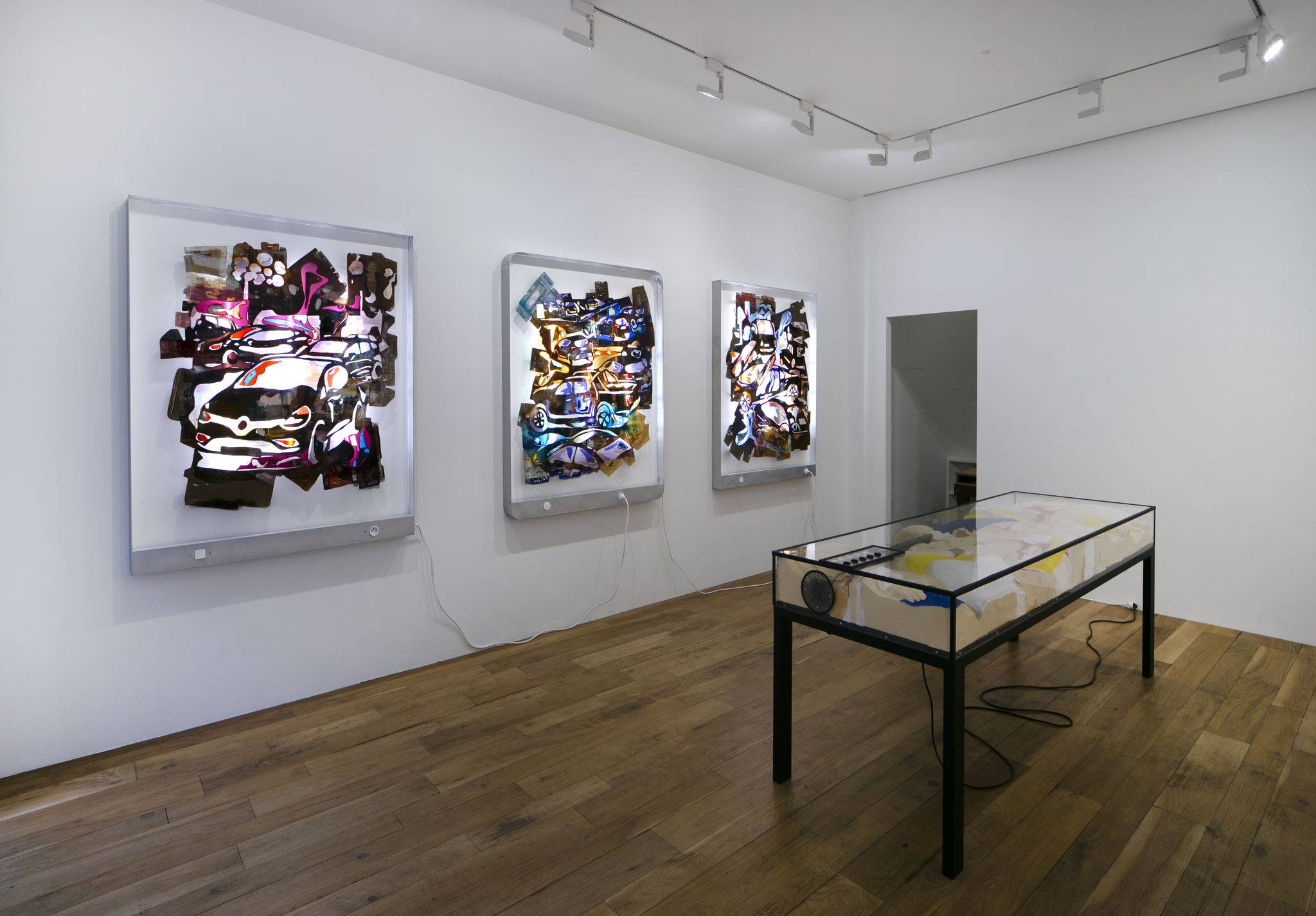
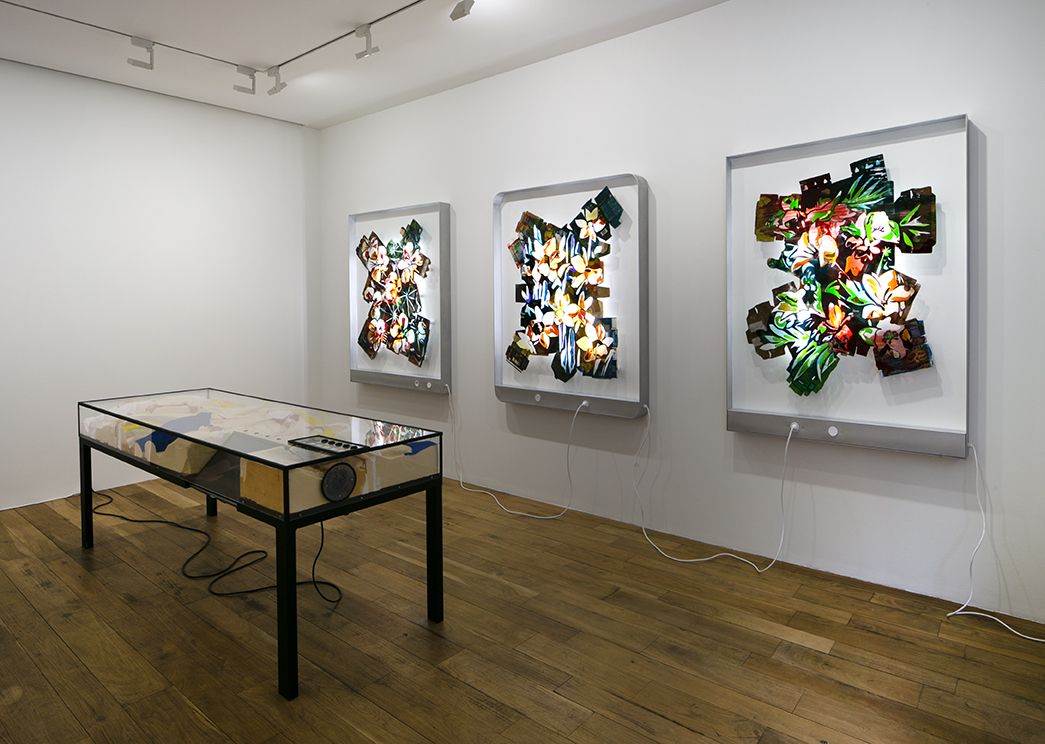
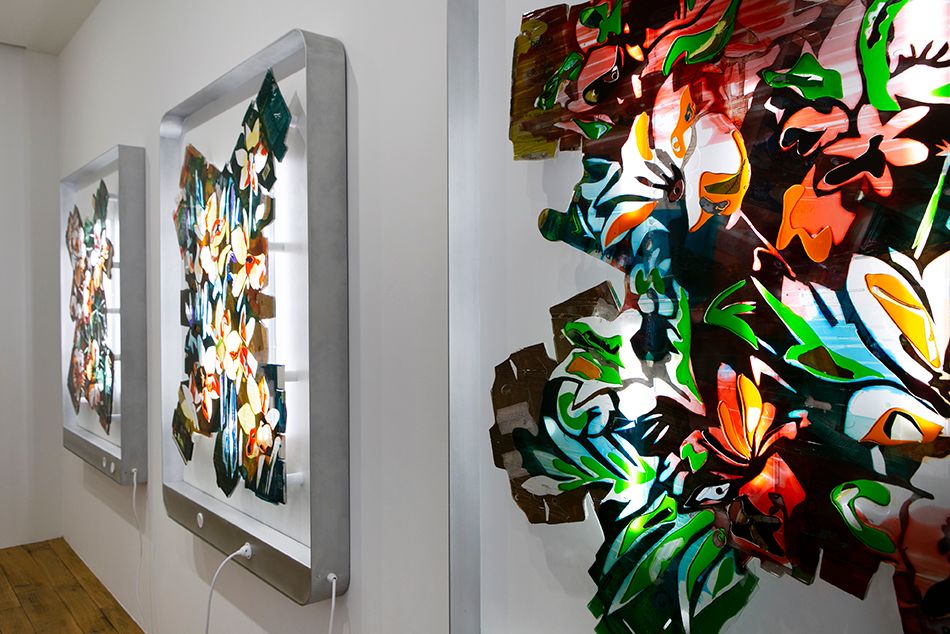
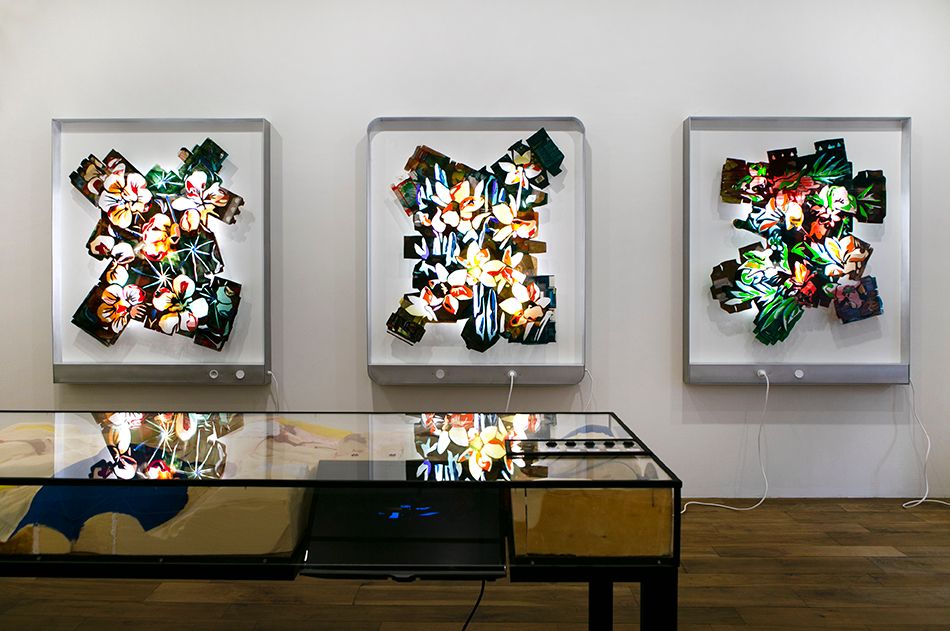
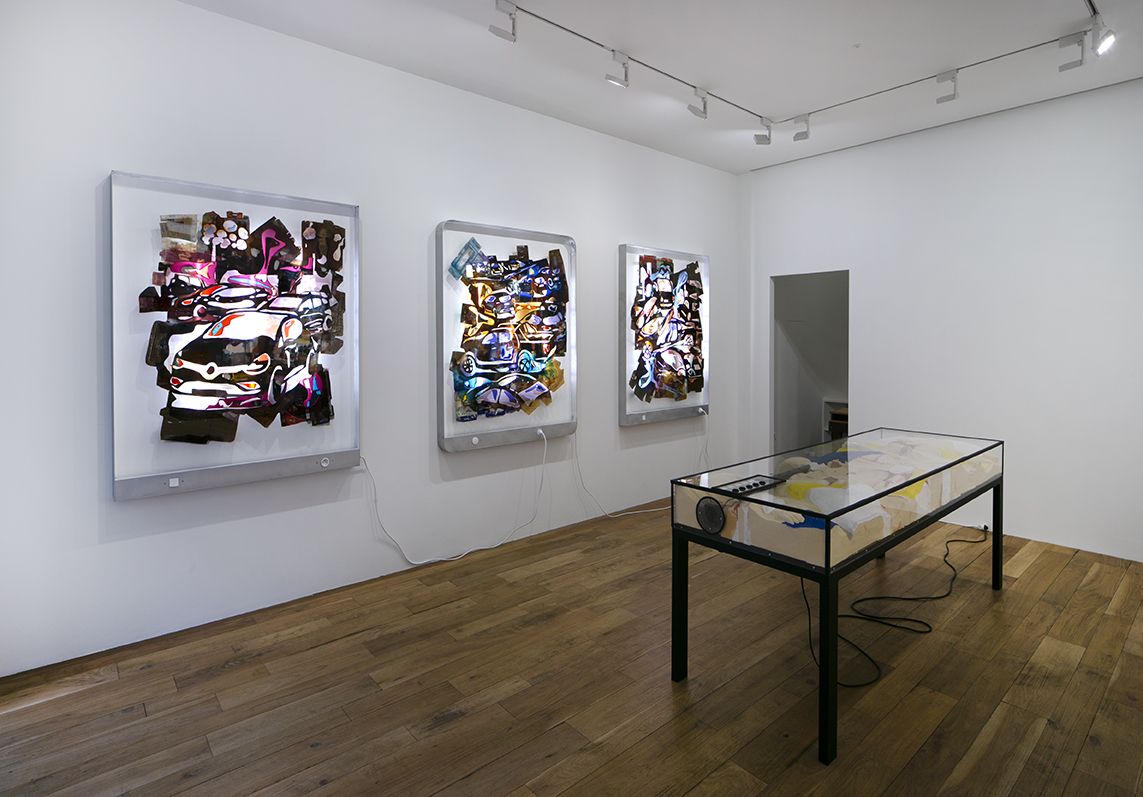
In the Mayfair space, Beloufa is exhibiting a series of luminous, brightly coloured flowers and cars in resin. Though they seem to come straight out of an illustrated book, there are surprises to be found in the depths of the resin: all sorts of hidden rubbish from Beloufa’s studio, including old six packs, pizza boxes, and wrapping materials. Beloufa has produced a series of compositions like contemporary stained glass windows, in which fragments of our everyday life have been trapped. Like Baudelaire’s corpse, the rubbish has been sublimated into bouquets, incarnations of beauty. As for the car (a component he already used in his 2010 video Brune Renault), it stands for ‘one of the chief sources of waste both daily and long-term, private and collective.’1 Jean Baudrillard was already writing in 1970 that the consumer society ‘needed objects in order to exist, and, more precisely, needed to destroy them. The use of objects only leads to their slow wasting away.’2 Beloufa plays ironically here with the notion of a ‘civilisation of trash’ and the art market’s means of production. By bringing this rubbish into the sacralised, antiseptic space of the gallery, he has made a concrete proposal for recycling, and in this way created value by short circuiting the standard regimes of consumption/destruction.
At Frieze, Beloufa invites the viewer to take a plunge into the now vanished summer. We are at the seaside, with bathers, cerulean blue waves, yellow sand, an ochre sun, striped beach towels, multicoloured beach umbrellas.
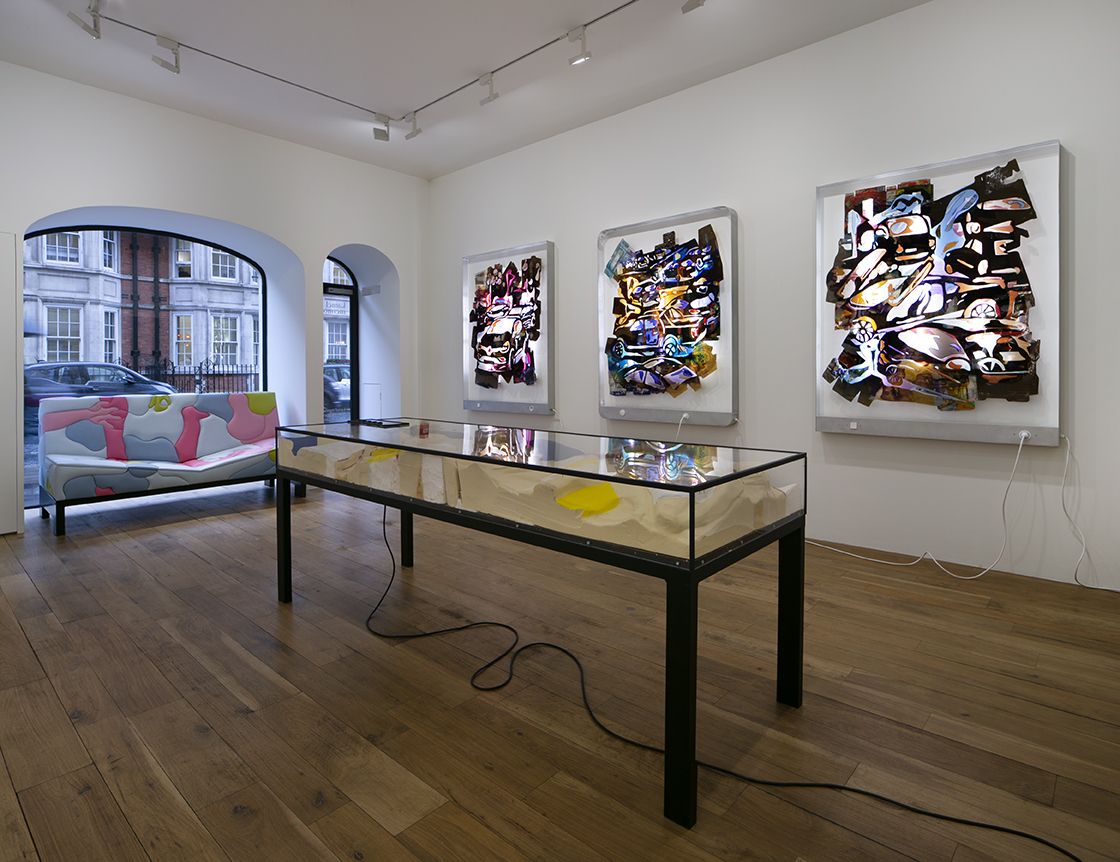
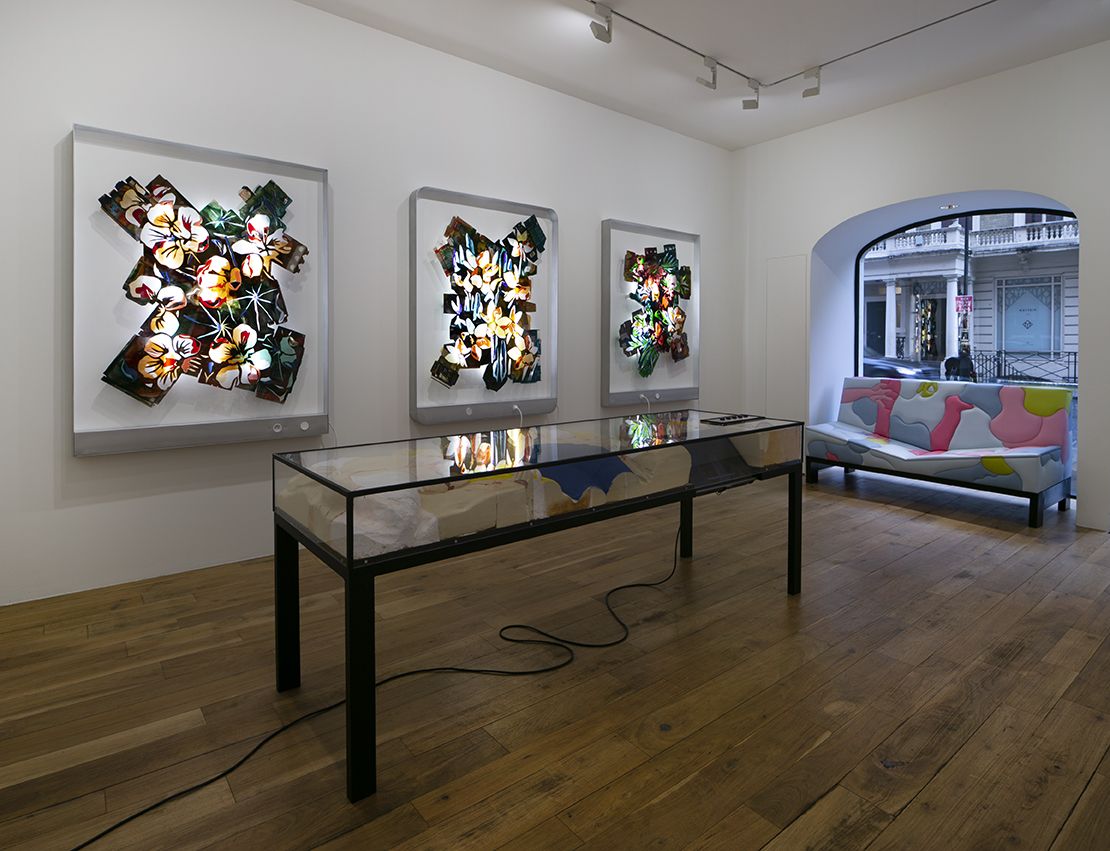
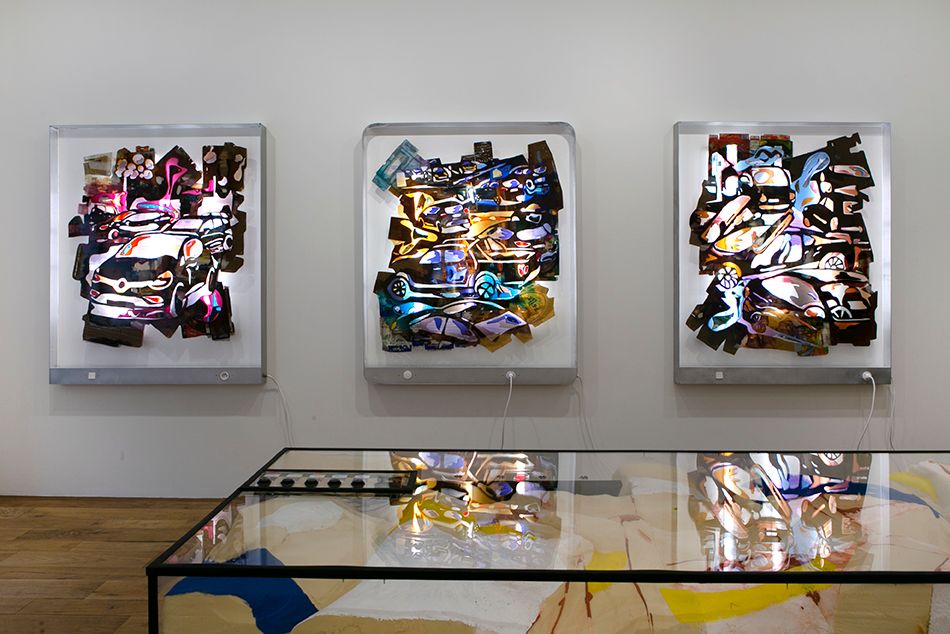
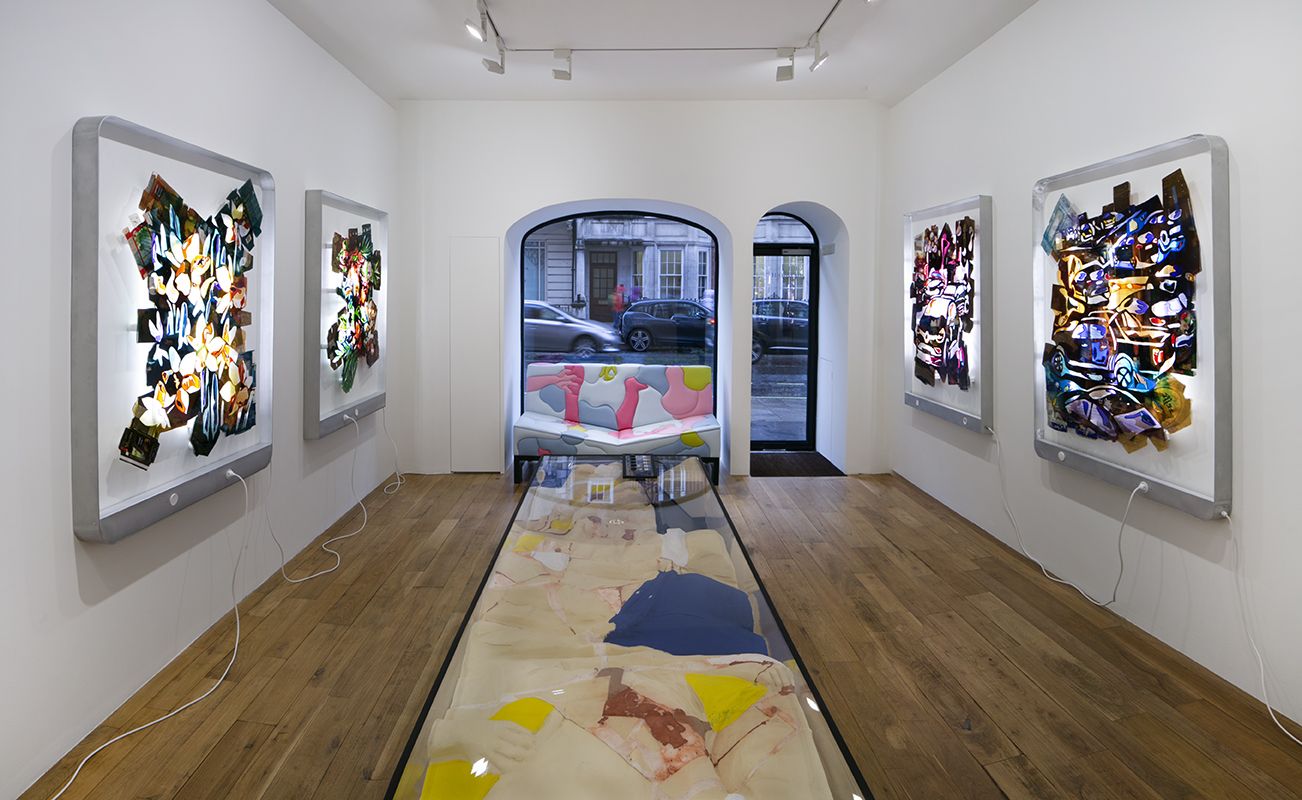
And yet there is another landscape that progressively unfolds here, animated by a video mapping projected onto the works. Consumer products—empty cans, stranded jellyfish, as well as bottles of soda and champagne like the beginning of an inventory by Georges Perec— appear like fossils of post-industrial society, sarcastically evoking ecological design. These bas-reliefs are all equipped with electrical sockets, where the viewer can charge their mobile phone. Their role is ambiguous: are they an attraction for art collectors with low battery in our ultra-connected civilisation, or are they invitations to risk electrocuting ourselves?
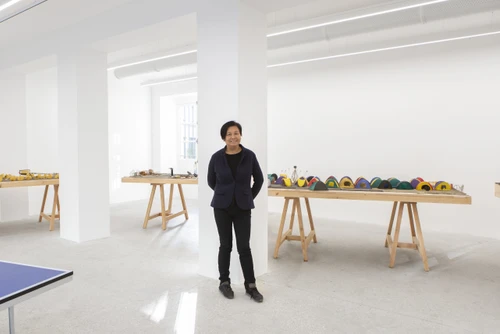
Not far off, a series of bronze sculptures (Beloufa’s first) stand alongside a group of horizontal modules placed on the ground. These also raise questions. Are they futurist sleeping bags, UV beds, or ‘coffins on wheels’?3 The playful surface—from camping to tanning—gives way to a critical, less cheerful, more politically engaged subtext.
1. Jean Baudrillard, La société de consommation, Paris, Éditions Denoël, 1970, p. 55.
2. Ibid., p. 56.
3. Magali Lesauvage, « Neïl Beloufa fait grincer les rouages de la consommation », Libération, 27 août 2017.
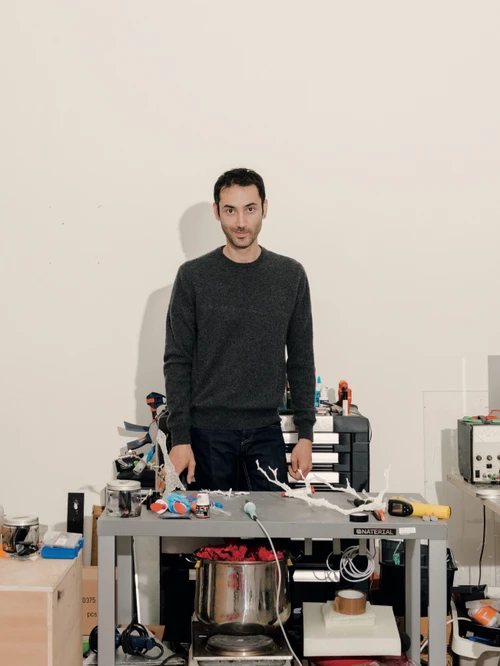
Neïl Beloufa
Né en 1985 à Paris, France
Vit et travaille à Paris, France